dailynewsnblog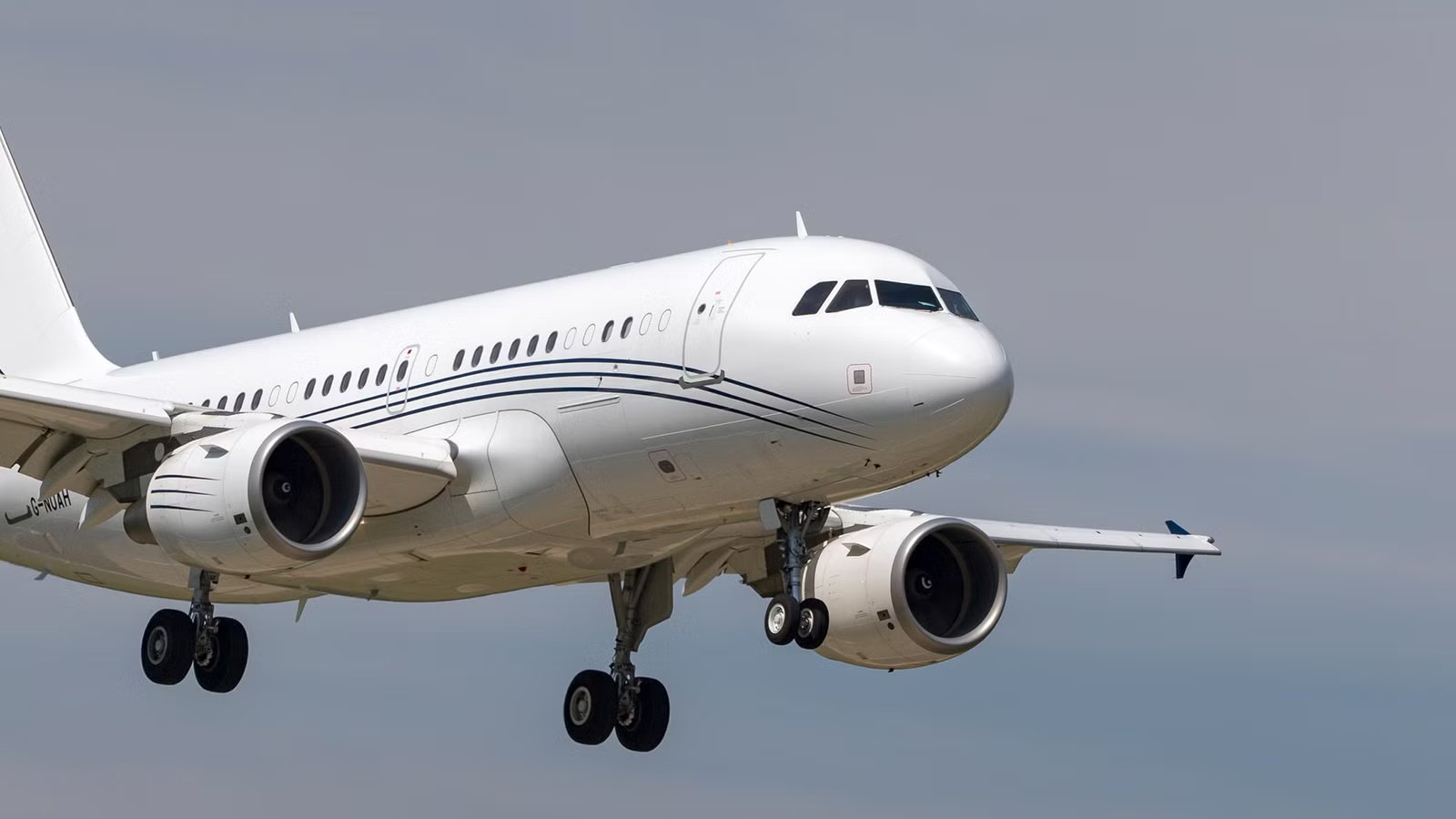
Neptune Aviation is now turning the Airbus A319 into a next-generation aerial tanker, an aircraft that is best known for short-haul airline routes. This gives the jet a new mission, with the aircraft planning on dropping fire retardant on wildfires. The Missoula-based operator is phasing out its BAe 146 fleet in favor of bringing the first converted Airbus A319 into the program beginning in 2026.
The aircraft’s operational deployment has been targeted for 2027’s wildfire season. Neptune says that it will be the first company to convert an Airbus A319 for aerial firefighting, and it expects the larger airframe to lift an impressive amount of fire-retardant chemicals. This figure significantly improves upon that of the BAe 146, all while preserving range and speed to get more drops when fires are raging.
Some Minor Aircraft Modifications

Neptune’s Airbus A319 program is significantly less of a repaint than it is a full-scale engineering conversion. The company is partnering with Aerotec & Concept, and it says it spent two years evaluating candidate airframes while running simulated retardant-drop analysis before committing to the type. The target here is a minimum 4,500-gallon tank (around 17,000 liters), enabled by the aircraft’s larger size and higher maximum takeoff weight.
The jet also has extra fuel capacity to reach remote fires with a full payload. As an Airbus A320-family fly-by-wire aircraft, the jet also demands careful integration with modern flight-control systems. From an operational perspective, Neptune plans a gradual rollout with the first aircraft entering service in 2026, with more to follow through 2029. Each must clear the interagency airtanker evaluation before full approval. The company is expecting to have around 10-15 tankers.
What Exactly Is Neptune Aviation?

Neptune Aviation Services is a private aerial firefighting and aviation services company headquartered at Missoula International Airport (MSO) in Missoula, Montana. The company is best known for its large aerial tanker operations, and the company flies jet-powered BAe 146 aircraft that can be loaded up with 3,000 gallons of water or flame retardant (around 11,356) liters and uses the company’s active response tank system to deliver precise, repeatable drops on wildland fires, according to the company.
The business is built around overall surge readiness, and it maintains and modifies its own fleet, staffs experienced pilots and mechanics, and runs robust winter maintenance, so aircraft are available when fire season peaks. Beyond flight operations, Neptune is also an aviation-services hub at MSO, offering capabilities such as heavy maintenance, avionics work, non-destructive testing, and charter/FBO support that help keep its firefighting aircraft self-sufficient in the field.
The company is also known for modernizing tanker platforms. After just two years of research and simulated drop analysis, Neptune selected the Airbus A319 as its next airtanker, partnering with Aerotec & Concept on the conversion and targeting initial operational use for the 2027 wildfire season. In short, Neptune is an operator, maintainer, and modifier focused on putting large volumes of suppressant over the fireline safely and reliably for agencies all across the world.

What’s The Next Commercial Airbus Aircraft?
From hydrogen horizons to open rotor revolutions, the future of aviation is on the brink of a major transformation. Discover what’s next for Airbus.
Why Does This Matter On A Global Scale?

Neptune Aviation’s Airbus A319 airtanker conversion matters beyond the US because it points to a scalable way for the operator to grow large-aircraft firefighting capacity at a time when extreme wildfire behavior is rising in many regions. Converting a common, mid-size airliner into a tanker can tap the global pool of retired or soon-to-be-retired narrowbodies and the mature support network for Airbus A320-family parts, engines, and technicians.
All of these factors help keep costs and downtime manageable for operators on different continents. From an overall mission standpoint, the Airbus A319’s planned minimum 4,500-gallon retardant load (about 17,000 liters) is a meaningful step-up from many next-generation regional jet tankers, something which potentially reduces the number of sorties needed to build or reinforce a line. Jet speed and range also improve the ability to reposition between distant fire complexes or deploy internationally when hemispheres trade seasons.
Just as important, Neptune is working within established evaluation and approval pathways for tank systems and coverage performance, creating data and lessons that other jurisdictions can reference. If the program proves reliable, it could broaden the menu of airtanker types available to governments and contractors, strengthening global surge capacity as fire seasons lengthen and intensify. It also encourages interoperability, shared cockpits, a training pipeline, and avionics that can ease pilot conversion and standardization.