dailynewsnblog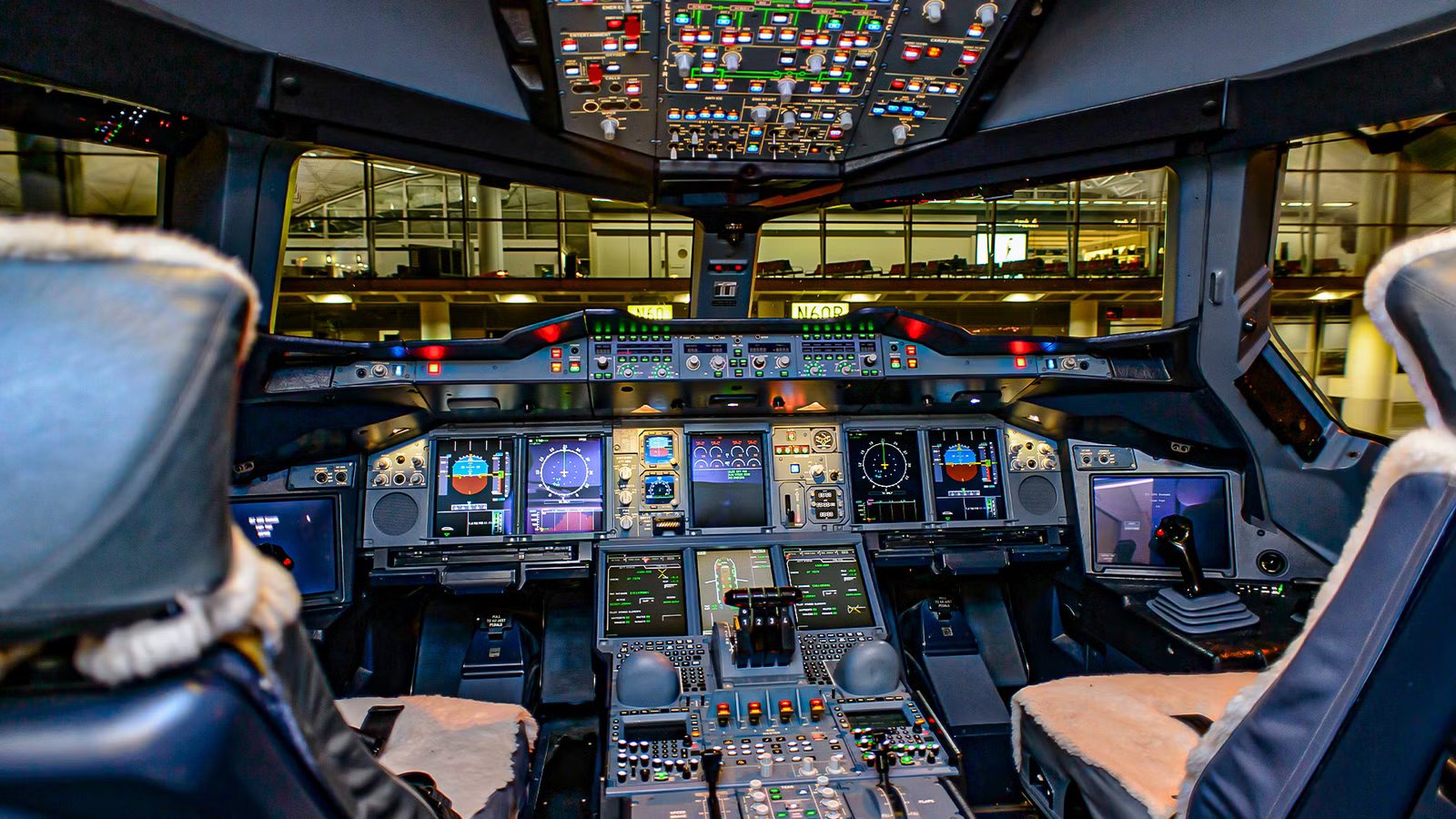
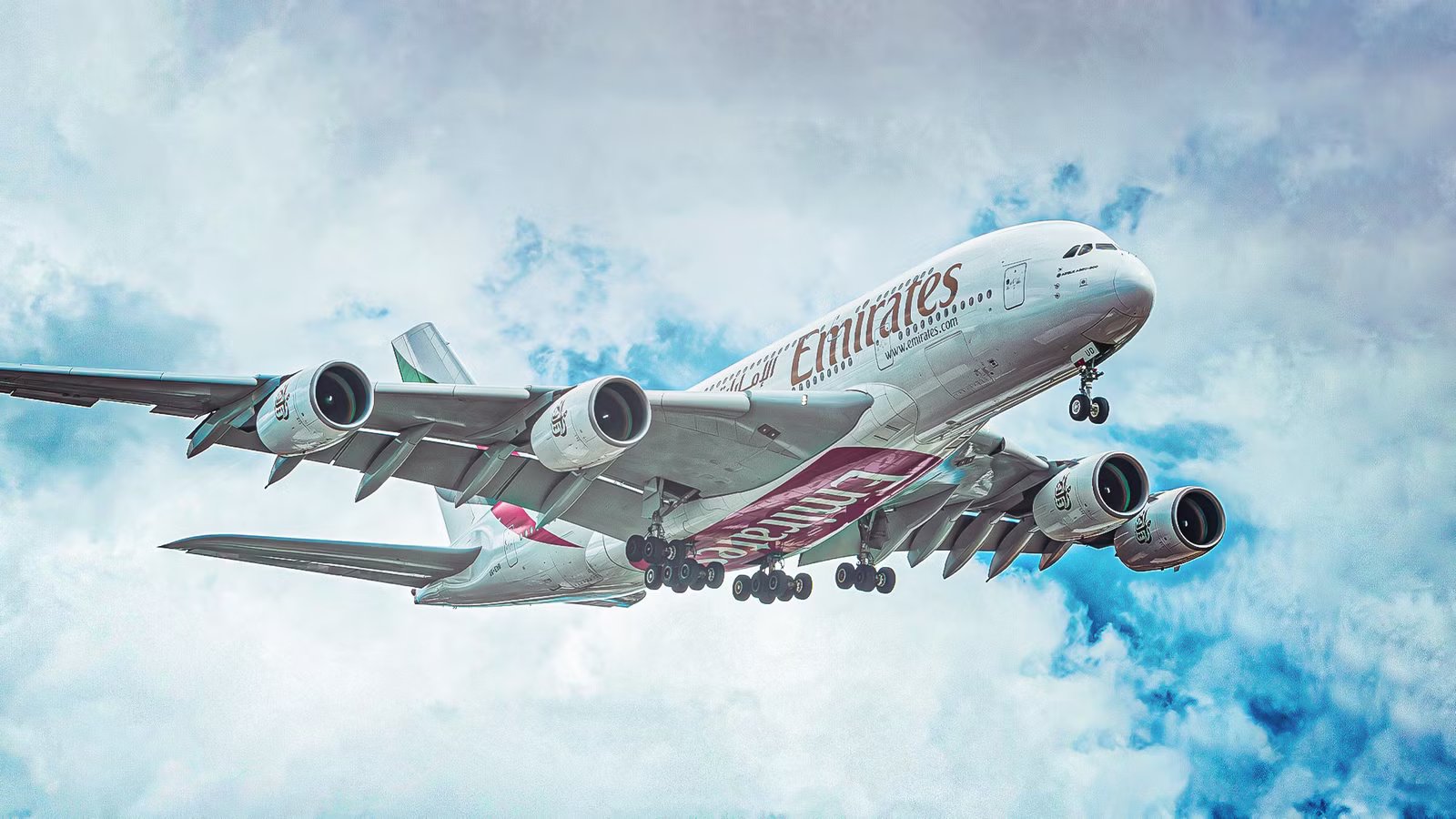
The Airbus A380 and the Boeing 747 represent two of the most iconic widebody aircraft ever produced, each embodying distinct engineering philosophies that are evident starting in the cockpit. While both aircraft are designed for long-haul, high-capacity operations, the flight decks reveal fundamentally different approaches to pilot interaction, automation, and control. These differences are not merely aesthetic but reflect decades of divergence between Airbus and  Boeing in how pilots should interface with increasingly complex aircraft systems.
At the core of this divergence lies a philosophical split. Airbus emphasizes automation, system protection, and standardized cockpit layouts across its fleet, while Boeing traditionally prioritizes pilot authority, tactile feedback, and evolutionary design continuity. This philosophical contrast is especially evident when comparing the A380, Airbus’s largest commercial aircraft, with later-generation variants of the 747, particularly the 747-400 and Boeing 747-8. This article explores five major differences in cockpit layout between the A380 and the 747. These include control input methods, flight control architecture, cockpit display systems, pilot interaction and ergonomics, and system monitoring philosophies. Together, these factors illustrate how two leading aircraft manufacturers have shaped the modern flight deck in markedly different ways.
Control Input Method: Sidestick vs. Yoke

The most immediately visible difference between the A380 and the 747 cockpit (and any Airbus or Boeing cockpit) is the method of primary flight control input. The A380 uses a sidestick controller mounted to the outer side of each pilot’s seat, while the 747 retains the traditional centrally mounted control yoke column. This distinction is adopted across all Airbus and Boeing aircraft and is emblematic of the broader design philosophies of Airbus and Boeing. Control input is the most central aspect of flying, and thus, this difference has significant implications for pilot experience and cockpit layout.
In the A380, each pilot operates an independent sidestick that sends electronic signals to the aircraft’s flight control computers. These sidesticks are not mechanically linked, meaning one pilot cannot physically feel the other’s inputs. Instead, coordination relies on visual and auditory cues. This arrangement frees up space directly in front of the pilot, allowing for a cleaner instrument panel and improved visibility of central displays.
On the other hand, the Boeing 747’s yoke is centrally mounted and mechanically or hydraulically linked to each other, allowing both pilots to see and feel each other’s control inputs. This provides immediate tactile feedback and shared awareness during manual flight. While the yoke occupies more physical space, many pilots value the direct connection it provides to both the aircraft’s behavior and their partner in the cockpit, reinforcing Boeing’s emphasis on pilot-in-command authority.
Flight Control Architecture: Fly-by-Wire vs. Conventional Systems

Shutterstock | Simple Flying
A second major difference lies in how pilot inputs are translated into aircraft movement. The A380 is a fully fly-by-wire aircraft, meaning all control inputs are transmitted electronically to flight control computers, which then determine how to actuate control surfaces. This system enables advanced automation, stability augmentation, and flight envelope protection.
On the A380, the fly-by-wire system includes built-in protections that prevent the aircraft from exceeding safe aerodynamic limits, such as excessive bank angles or stall conditions. These protections reduce pilot workload and enhance safety, particularly during abnormal situations. The system, or rather the flight computer, effectively interprets pilot intent rather than executing raw control inputs. However, the lack of physical linkage between the sidestick and aerodynamic surfaces means pilots do not feel the same resistance as they would flying an aircraft with cables connecting the surfaces to the pilot’s control. Instead, an artificial feel of resistance is simulated, so the pilot can have a sense of aerodynamic load on the aircraft.
The Boeing 747, while incorporating advanced avionics and some electronic assistance in later models, largely retains a more traditional control philosophy. The fundamental difference with the 747 is that the yoke is connected to the control surfaces of the aircraft via an extensive network of cables, rods, and hydraulic components; if a strong gust of wind induces a roll, the yoke will move as the ailerons are deflected. Even in modernized versions like the 747-8, this conventional system allows pilots greater authority to override automated systems if necessary. This reflects a belief that pilots should retain ultimate control, even at the cost of increased workload and responsibility.

The Striking Differences Between The Airbus A320 & Boeing 737 Cockpits
Explore the striking Airbus A320 vs. Boeing 737 cockpit differences, from sidesticks to noise, and learn how pilots see these iconic flight decks.
Cockpit Display And Avionics Layout

The A380 features a highly advanced glass cockpit built around integrated modular avionics and multiple large liquid crystal displays (LCD). It includes eight interchangeable LCD screens that present flight, navigation, engine, and system data in a highly configurable format. These displays are supported by a networked computing architecture that reduces wiring complexity and enhances redundancy. A notable innovation in the A380 is its use of graphical interfaces, including cursor control devices and QWERTY keyboards, enabling a more intuitive, point-and-click interaction with onboard systems. This reflects Airbus’s effort to create a more modern, computer-like cockpit environment that aligns with contemporary digital interfaces and reduces reliance on physical switches.
The Boeing 747-400 also introduced a glass cockpit, replacing earlier analog instruments and eliminating the need for a flight engineer. However, its display philosophy remains more conventional, with fixed-function screens and less emphasis on graphical interaction. While highly capable, the 747’s avionics suite reflects an earlier stage in the evolution of digital cockpits compared to the A380. It retains more conventional standby instruments and many conventional physical gauges/switches. This is evident by the presence of more circuit breakers in the 747 cockpit and more physical hardware on the overhead panel.
Pilot Interaction And Ergonomics

Cockpit ergonomics differ significantly between the two aircraft, largely due to their control layouts and design philosophies. The A380’s sidestick configuration allows for a more open and spacious cockpit, as the absence of a central yoke frees up room in front of each pilot. This enables easier access to instruments, improved legroom, and a less cluttered workspace. Additionally, the sidestick allows pilots to operate controls with one hand, leaving the other free for tasks such as managing flight systems or referencing documentation. This can be particularly advantageous during high-workload phases of flight, such as approach and landing, where multitasking is essential and efficiency matters.
In contrast, the Boeing 747’s yoke can require both hands during manual flight, limiting simultaneous interaction with other cockpit controls. However, the tactile feedback provided by the yoke enhances situational awareness, as pilots can physically sense aerodynamic forces and control inputs. This creates a more hands-on flying experience that many pilots find intuitive and reassuring. The presence of the yoke also means that any physical charts or checklists used during the flight have to be pinned up on the yoke. On the A380, the pilots effectively have a desk at each seat, with a surface that can extend out, offering plenty of space to read charts or lay out physical documents.

Airbus A380 Vs. Boeing 747: How Do They Compare On Ultra-Long-Haul Flights?
Does it make a significant difference to to choose one aircraft or another for a long flight? If so, that’s the thing, which is the best airliner?
System Monitoring Philosophy: ECAM vs. EICAS

One of the most operationally significant differences between Airbus and Boeing cockpits lies in how aircraft systems are monitored and how failures are presented to pilots. The A380 uses the Electronic Centralized Aircraft Monitor (ECAM), while the 747 uses the Engine Indicating and Crew Alerting System (EICAS). Although both systems aim to enhance situational awareness and safety, their design philosophies differ markedly.
ECAM in the A380 is highly automated and action-oriented. When a system failure occurs, ECAM not only alerts the crew but also displays the relevant checklist procedures directly on the screen. It prioritizes warnings and guides pilots step by step through corrective actions, reducing the need to consult paper or electronic manuals. This approach is designed to minimize workload and standardize responses during abnormal situations.
EICAS in the 747, while also providing detailed system information and alerts, takes a more advisory role. It presents messages and system status information, but typically requires pilots to reference checklists separately, either from memory or from a Quick Reference Handbook. This reflects Boeing’s philosophy of keeping the pilot actively involved in diagnosing and managing system issues rather than relying on automated guidance.
Final Thoughts

The cockpit layouts of the Airbus A380 and Boeing 747 reveal far more than design preferences. They embody two distinct philosophies of aviation that influence how pilots interact with their aircraft on every flight. From the sidestick versus yoke debate to differences in flight control systems, avionics, ergonomics, and system monitoring, each aircraft offers a unique operational experience shaped by its manufacturer’s priorities.
These differences also reflect the broader competitive dynamics between Airbus and Boeing. Airbus has consistently emphasized automation, integration, and standardized pilot interfaces, aiming to reduce workload and increase operational consistency across fleets. Boeing, in contrast, has maintained a more pilot-centric philosophy that prioritizes tactile feedback, direct control, and procedural independence, even as automation has advanced.
In the wider aviation industry, both approaches have proven highly effective and safe, influencing everything from airline training programs to cockpit design standards. When first introduced, the A380 stood as a culmination of Airbus’s automation-driven vision, while the 747 represented Boeing’s commitment to pilot authority and evolutionary design. As future aircraft continue to incorporate new technologies, the balance between human input and automated systems will remain a defining question, shaped in no small part by the legacy of these two iconic aircraft.