dailynewsnblog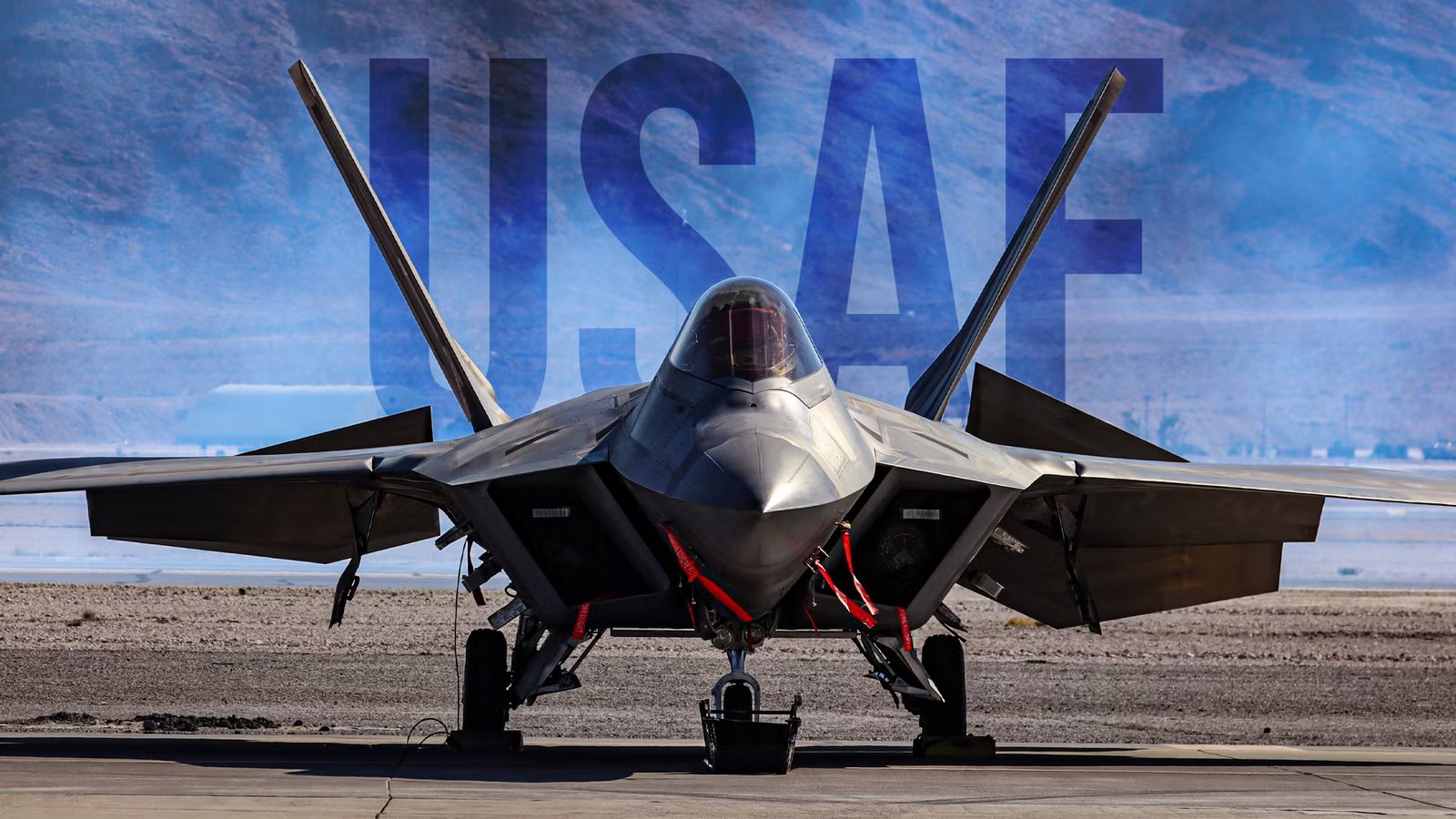
The United States Air Force’s(USAF) largest aircraft concentrations in 2026 are led by five air bases, each containing between 100 and 200 aircraft of all types, according to the official USAF fact sheets and compiled fleet data. These installations are of the utmost importance because aircraft density directly reflects operational output, from pilot training throughput to combat readiness and global mobility support. Bases with the highest aircraft counts are not only large but also the ones that generate the most sorties, train the most crews, and sustain US airpower worldwide.
Drawing on USAF installation fact sheets, base websites, fleet summaries, and previous coverage from Simple Flying, we will rank bases strictly by permanently assigned aircraft across all categories, including fighters, such as F-16 or F-35, stealth and non-stealth bombers, trainers such as the T-6 Texan II and T-38 Talon, and transport platforms such as C-130 or C-17 supporting logistics. Even though the exact numbers are usually not available, we will use approximate figures calculated from open sources. This matters especially for the US, where global commitments, from NATO deployments to Indo-Pacific operations, depend heavily on these high-capacity hubs. Below are the five largest USAF bases by total active aircraft count in 2026, ranked from #5 to #1, with a breakdown of their fighter, trainer, and transport roles.
5
Sheppard Air Force Base
About 80 Aircraft

Sheppard Air Force Base-Wichita Falls Municipal Airport in Texas manages over 80 active aircraft and leads the world’s largest pilot training pipeline, with most planes there dedicated to training. Unlike combat-focused bases, its fleet mainly consists of trainer aircraft like the T-6 Texan II and T-38 Talon. These planes are key to the Euro-NATO Joint Jet Pilot Training program, making Sheppard a major center for pilot production worldwide.
Training aircraft at Sheppard are flown intensively, often multiple times per day, as can often be seen on FlightRadar24, creating one of the busiest airspaces in the Air Force. While the base has only a limited number of transport aircraft permanently assigned, it relies on mobility support from other commands to sustain its multinational training mission. This includes the movement of instructors, students, and equipment from across NATO, emphasizing the interconnected nature of USAF logistics.
Read more about the legendary base here, which was named after Senator John Morris Sheppard of Texas, and not the first US astronaut, Alan Shepard, as many wrongly believe.
Sheppard’s importance cannot be understated: it produces the pilots who will go on to fly fighters, bombers, and transport aircraft across the Air Force. The base’s heavy concentration of trainers highlights a critical truth, and without a steady pipeline of skilled aviators, even the largest combat fleets cannot operate effectively. In this sense, Sheppard represents the foundation upon which all USAF airpower is built.
4
Eglin Air Force Base
About 100 Aircraft

Eglin Air Force Base in Florida is not only one of the largest USAF bases by extension, which also shares its massive territory with a commercial Destin-Fort Walton Beach airport, but it also hosts more than 100 active aircraft, spanning fighters, trainers, and transport platforms. Its fleet is exceptionally diverse, including fighters, test aircraft, training platforms, and various transport and special operations aircraft. This diversity reflects Eglin’s unique role as a hub for testing, evaluation, and operational support across multiple mission sets.
Transport aircraft play a significant role at Eglin, particularly in supporting test programs and special operations missions. These aircraft ensure that personnel, equipment, and experimental systems can be moved rapidly between locations. At the same time, the base hosts training units operating the F-35, linking it directly to the broader pilot training pipeline. This combination of transport and training functions makes Eglin one of the most versatile bases in the Air Force.
Find more about Eglin here.
Eglin’s scale is matched by its strategic importance. It is not just a military base and a commercial airport, but a multi-mission aeronautical network where new technologies are tested, pilots are trained, and operational units are supported. The presence of transport aircraft alongside advanced fighters underscores the Air Force’s reliance on integrated capabilities by combining mobility, training, and combat power into a single, highly efficient installation.

Why This US Air Force Base Is Considered Unstoppable
Eglin AFB’s massive range, advanced testing and multi‑domain integration make it unmatched in proving and refining US airpower.
3
Seymour Johnson Air Force Base
Around 110 Active Aircraft

Seymour Johnson Air Force Base in North Carolina hosts approximately 110 active aircraft, making it one of the largest concentrations of a single type of combat aircraft in the United States. While the base is best known for its fleet of F-15E Strike Eagles, its overall aircraft network also includes support and transport elements, including ten KC-46 Pegasus air refueling tankers that enable sustained combat operations. This balance between combat jets and logistical capabilities ensures the base can deploy rapidly while maintaining high sortie-generation rates.
Although dominated by fighter aircraft, Seymour Johnson relies heavily on transport integration and support aviation. Air mobility aircraft, which are often operating in coordination with Air Mobility Command, ensure that personnel, spare parts, and munitions flow efficiently. This logistical backbone is critical, particularly for overseas deployments where Strike Eagles require sustained resupply. The base’s operational model demonstrates how even fighter-centric installations depend on transport aviation to remain combat effective.
Unlike dedicated training bases, Seymour Johnson has a relatively limited number of trainer aircraft, but pilot proficiency is maintained through advanced mission training rather than basic flight instruction. This reflects its role as a frontline combat base rather than a pipeline for new aviators. Nevertheless, its integration with training commands ensures a steady flow of qualified pilots arriving from bases such as Sheppard and Luke, thereby linking it directly to the broader Air Force training ecosystem.
Overall, at Seymour Johnson Air Force Base, the aircraft mix is heavily centered on the F-15E Strike Eagle, which forms the backbone of its operational fleet, supported by a smaller number of transport and support aircraft that rotate through or are attached as needed. The base also maintains a smaller number of training and support airframes to ensure ongoing crew readiness and mission proficiency. However, despite its robust combat capabilities, strategic bombers are not based here and unlikely to be seen here, as Seymour Johnson is not assigned any bomber units and does not serve as a primary operating location for them.
2
Luke Air Force Base
Over 150 Aircraft

Luke Air Force Base in Arizona operates more than 150 active aircraft, primarily engaged in fighter and transition training, making it one of the densest aviation hubs in the USAF. While the base is globally recognized for its F-35A Lightning II training mission, it also retains a substantial fleet of F-16 Fighting Falcons. These aircraft are supported by training infrastructure and occasional transport aircraft that facilitate the movement of personnel and equipment, reinforcing Luke’s role as a comprehensive pilot training center.
Training is the defining characteristic of Luke, and this includes not only fighters but also support aircraft and simulation systems that complement flight operations. While dedicated transport aircraft are not the base’s primary feature, air mobility remains essential to sustain international training programs. Pilots from allied nations rely on a steady logistical network, highlighting how even fighter training hubs depend on broader Air Force transport capabilities. You can find out more about this base on their official webpage.
Luke’s importance lies in its transition-training mission, which bridges the gap between basic trainers and frontline combat aircraft. Pilots arriving from bases like Sheppard move into advanced fighter training here, often flying high-performance jets for the first time. Historically, the base has hosted large numbers of training aircraft, and today it continues that legacy by focusing on fifth-generation capabilities to ensure that new pilots are ready for modern combat environments.

The 4 Largest Air Force Bases By Bomber Fleet Presence
A closer look at the homes of the USAF’s heaviest-hitters.
1
Nellis Air Force Base
Over 180 Aircraft

Nellis Air Force Base, adjacent to Las Vegas in Nevada, is home to more than 180 active aircraft supporting combat, test, and training missions, making it one of the most diverse and operationally complex installations in the USAF, and the largest base by active aircraft count in 2026, according to FOX News. Unlike bases focused on a single mission, Nellis combines combat aircraft, aggressor squadrons, test units, and support platforms. This includes not only fighters like the F-35 and F-22 Raptor, but also a range of training and specialized aircraft used to simulate enemy forces and refine combat tactics. Nellis does not have assigned bomber squadrons, but it regularly hosts B-52, B-1B, and B-2 Spirit Bomber aircraft during large-scale exercises such as Red Flag.
All this combined makes it one of the most common places to see bombers operating, even though they are not based there. These deployments are crucial for integrating bomber operations with fighters and support aircraft.
Top 5 USAF Bases By Aircraft Type Mix in 2026:
- Nellis AFB: Fighters + Aggressors + Test aircraft — about 180 aircraft
- Luke AFB: Fighter training fleet — about 150 aircraft
- Seymour Johnson AFB: Combat fighters + support — about 110 aircraft
- Eglin AFB: Fighters + Trainers + Transport + Test aircraft — about 100 aircraft
- Sheppard AFB: Primarily trainers — about 100 aircraft
A key component of Nellis’ operations is its integration of training aircraft and specialized support platforms. Aggressor squadrons operate modified fighters to replicate adversary tactics, while test units evaluate new systems. Transport aircraft play a quieter but essential role, moving personnel and equipment for exercises like the Red Flag. This combination creates a dynamic environment where training, testing, and operational readiness converge. You can read more on their official webpage here.
The presence of training aircraft at Nellis is not about basic instruction, but about advanced tactical training. Pilots who have already completed flight school come here to refine combat skills in realistic scenarios. Supported by transport and logistics aircraft, these exercises simulate real-world deployments, ensuring that aircrews are prepared for complex, multi-domain warfare.