dailynewsnblog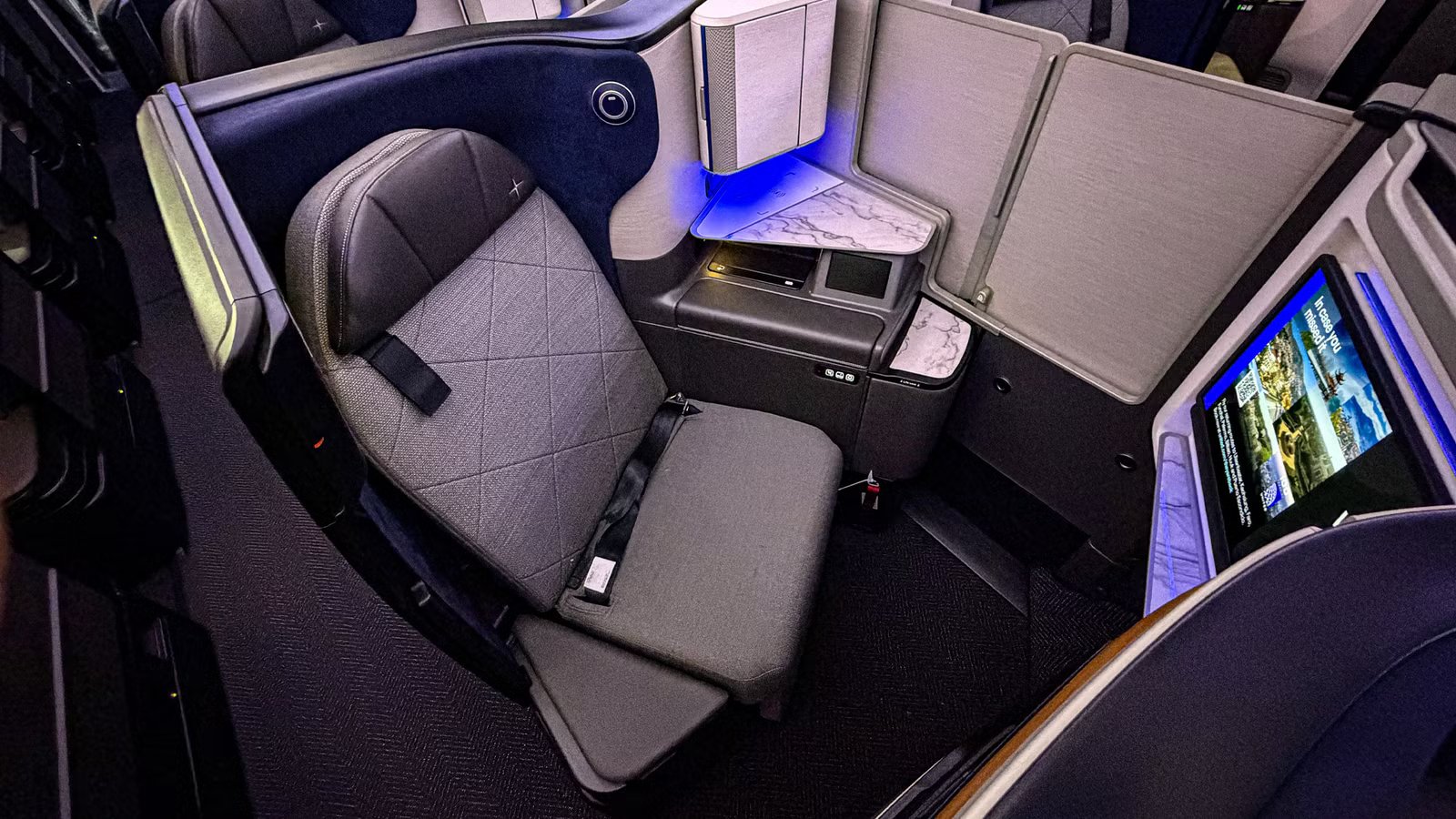
The Boeing 787 has long been regarded as one of the most passenger-friendly aircraft in the skies, thanks to its large dimmable windows, lower cabin altitude, and significantly improved air quality, all of which contribute to a more comfortable journey, especially on long-haul routes. In recent years, however, airlines have begun using the aircraft as a platform for something far more ambitious, turning it into a showcase for the next generation of onboard products. From fully enclosed suites to ultra-high-definition entertainment screens and wellness-focused cabin design, the latest wave of 787 interiors is pushing the boundaries of what flying can feel like in a meaningful and highly visible way.
Across the world, a new generation of airlines and cabin upgrades is redefining passenger expectations at every level of the aircraft. Whether it’s a brand-new carrier building its identity entirely from scratch or a legacy airline reinventing its premium offering to stay competitive, the focus is now firmly on privacy, technology, and comfort as standard rather than optional extras. The Boeing 787’s unique cabin environment provides the ideal foundation for these innovations, allowing airlines to combine advanced engineering with thoughtful interior design in ways that were simply not possible before, and increasingly shaping cabins around how people live, work, and relax while traveling. Let’s take a closer look…
Riyadh Air
The Digital-Native Disruptor

Riyadh Air’s Boeing 787-9 cabin represents one of the most forward-thinking visions for the future of commercial aviation, with a design philosophy that places digital integration and passenger experience at its very core. Conceived as a so-called digital-native airline from the outset,  Riyadh Air has built its 787 cabin around seamless connectivity and cutting-edge technology that feels intuitive rather than intrusive. The aircraft accommodates 290 passengers across four distinct cabin classes, but it is the Business Elite section that truly sets a new benchmark for premium travel. Configured in a 1-2-1 layout, the Safran Unity seats feature sliding privacy doors and 52-inch-high (132 cm) walls, creating a space that feels closer to a private suite than a traditional airline seat.
Technology plays a central role in shaping the onboard experience, with each Business Elite suite featuring a massive 32-inch (81 cm) 4K OLED screen, which is currently the largest ever installed in a business class cabin. This system is further enhanced by integrated speakers built directly into the headrests, delivering an immersive sound experience without requiring passengers to rely solely on headphones. This level of detail reflects a broader industry trend toward personalization and sensory engagement, where passengers are not simply transported between destinations but are actively engaged and entertained throughout their journey. Even the carrier’s economy class and premium economy cabins look to have taken passenger comfort to the next level.
Beyond the seat itself, Riyadh Air is rethinking what onboard connectivity should look like, and the airline will be the first to use the Panasonic Avionics’ Modular Interactive system, enabling a highly dynamic and customizable inflight entertainment platform that can evolve over time. At the same time, all loyalty members will benefit from free gate-to-gate high-speed WiFi, ensuring continuous connectivity from departure to arrival.
United Airlines
The United Elevated Revolution

 United Airlines has taken a decisive and highly strategic step forward with its new United Elevated Boeing 787-9, marking a significant shift in how the
  Star Alliance carrier approaches premium long-haul travel in an increasingly competitive global market. With 99 premium seats onboard, the aircraft features the highest proportion of premium seating among US carriers, clearly signaling a focus on high-value international routes where product differentiation matters most. At the center of this transformation is the introduction of Polaris Studio suites, which build upon the existing Polaris concept while offering a noticeably more spacious, refined, and versatile experience.
The Polaris Studio suites, located in the front row of the business class cabin, are designed to provide an elevated level of comfort and flexibility, featuring oversized seating areas and companion seats that allow passengers to dine or relax together during the flight. Like many of the newest premium cabin designs, these suites include sliding doors and high privacy walls, creating a sense of exclusivity once reserved for international first class products. Each suite is equipped with a 27-inch (69 cm) OLED screen, along with wireless charging and full Bluetooth connectivity, allowing passengers to seamlessly integrate their own devices into the inflight experience.
Across the rest of the aircraft, United has placed a strong emphasis on consistency and technological integration, ensuring that improvements are felt in every cabin rather than just at the front. Bluetooth connectivity is available at every seat, a relatively small but highly meaningful upgrade that reflects how passengers increasingly consume content today. Free WiFi further enhances this connected experience, while larger seatback screens and upgraded materials contribute to a more cohesive, modern cabin environment. The inaugural international flight from  San Francisco International Airport (SFO) to Singapore Changi Airport (SIN) in April 2026 will mark the beginning of this new chapter, positioning United as a serious contender in the global premium market.
American Airlines
Flagship Suites Take Flight

 American Airlines has introduced its new Flagship Suite on the Boeing 787-9, representing one of the most comprehensive and strategically important upgrades in the
  oneworld carrier’s recent history as it seeks to modernize its long-haul offering. The design is centered on creating a more private environment, with each suite featuring a sliding door, direct aisle access, and a fully lie-flat bed that enhances both comfort and usability on longer journeys, such as
  Los Angeles International Airport (LAX) to Sydney Airport (SYD). The overall emphasis on space is supported by improved storage solutions, including dedicated compartments for personal items, headphones, and electronic devices.
One of the most notable features of American Airlines’ Flagship Suite is its large 4K high-definition screen, which delivers crisp visuals and a more immersive entertainment experience compared to previous generations. When combined with updated lighting and improved finishes, the cabin achieves a modern and calming look, striking a balance between innovation and familiarity.
The upgrades extend well beyond business class, reflecting a broader shift in how airlines approach cabin design across the entire aircraft. Premium economy passengers benefit from redesigned seats that include enhanced comfort features such as calf and footrests, adjustable headrest wings, and wireless charging. Meanwhile, economy class passengers gain access to 4K QLED screens, USB-C charging, and improved connectivity, ensuring that even the most affordable seats represent a meaningful step forward.
LATAM Airlines
South America’s Boldest Transformation

LATAM has embarked on one of the most ambitious and wide-ranging cabin retrofit programs ever undertaken in aviation, investing $360 million to completely transform its Boeing 787 fleet and redefine the long-haul experience in South America. The result is a modernized onboard product that places the airline firmly among the global leaders in passenger experience. With the introduction of upgraded Boeing 787-8 Boeing 787-8 aircraft in 2025, LATAM became the first carrier in the region to offer fully enclosed business-class suites with sliding doors, marking a major milestone for the airline.
The new Premium Business cabin balances aesthetics with functionality, with each suite featuring a range of carefully considered details, including a real granite table that adds a tactile and premium touch rarely seen in aircraft interiors. The overall design manages to feel both contemporary and comfortable, while also reflecting elements of LATAM’s regional identity in a subtle and sophisticated way.
Technology plays an equally important role in the transformation, with LATAM installing Panasonic Avionics’ PAC eX3 system throughout the aircraft. This includes responsive 18-inch (46 cm) screens in business class and 12-inch (30 cm) screens in economy, both of which offer improved performance and usability. Bluetooth connectivity allows passengers to pair their own headphones, further enhancing the experience. By combining thoughtful design with modern technology, LATAM has successfully repositioned itself as a serious player in the global long-haul market.
Air India
A Brand-New Identity From The Ground Up

 Air India recently unveiled its new Boeing 787-9 aircraft, representing a pivotal moment in the airline’s long-term transformation and reflecting a broader effort by the Tata Group to completely redefine the carrier’s identity and onboard experience. Delivered in early 2026, the aircraft introduces an entirely new interior concept that extends across every element of the cabin, including seats, galleys, lavatories, and even crew rest areas, resulting in a more cohesive overall experience.
The design language is closely aligned with Air India’s refreshed brand identity, placing a strong emphasis on warmth, calmness, and functionality throughout the cabin. A carefully curated color palette blends soft creams with deep reds, warm golds, and rich purples, creating an atmosphere that feels both inviting and distinctive. The use of curved surfaces and tactile materials further enhances this effect, creating a space that feels more human-centered and less mechanical than traditional aircraft interiors.
Perhaps the most distinctive element of the new cabin is its advanced mood lighting system, which incorporates ten custom lighting scenarios inspired by chakras, or energy centers, with each setting designed to support circadian rhythms and promote relaxation during long journeys. This focus on passenger well-being, combined with modern design and updated technology, signals a new direction for Air India as it works to reposition itself in the global aviation landscape.