dailynewsnblog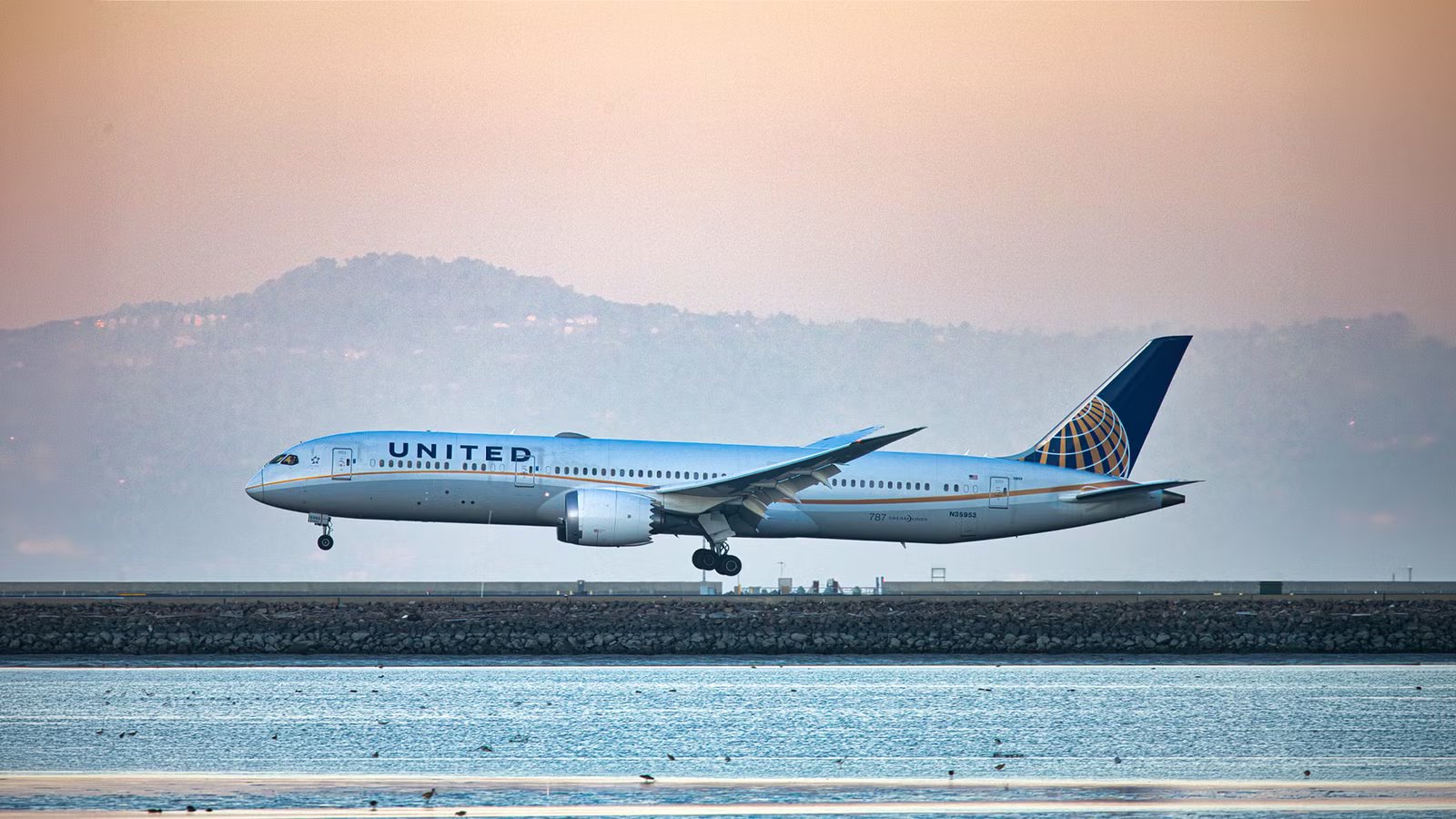
Transpacific travel has undergone a radical transformation over the last decade. The Boeing 787 Dreamliner stands at the center of this shift, enabling airlines to bypass massive hubs in favor of point-to-point efficiency. For travelers, this means fewer layovers and a cabin environment that mitigates the effects of jet lag on some of the longest flights in the world.
Based on recent data from Cirium, the 2026 schedule reveals a market that has fully recovered and evolved beyond pre-pandemic patterns. This list ranks the top ten most frequent transpacific corridors served specifically by the 787 family, including the -8, -9, and -10 variants. From tech-heavy business links to leisure-driven island hops, these routes define the current state of global connectivity and where passengers choose to connect the most.
10
Dallas/Fort Worth – Seoul Incheon
516 annual flights

 American Airlines has solidified its position in the Asian market by pushing its massive hub in North Texas. This specific corridor serves as a vital link for both business travelers and cargo, connecting the Southern United States directly to the heart of South Korea. The incredible efficiency of the Boeing 787-9 makes this nearly 16-hour journey sustainable for the carrier year-round.
This route is a cornerstone of the codeshare agreement between American Airlines and Korean Air, though the former is the primary operator utilizing the Dreamliner airframe here. In addition to passenger demand, the belly cargo capacity of the aircraft supports a robust trade in electronics and automotive parts and remains one of the longest and most prestigious routes in the American Airlines network.
|
Metric |
Details |
|
Total Annual Flights |
516 |
|
Primary 787 Operator |
American Airlines |
|
Average Flight Duration |
15 hours 45 minutes |
|
Aircraft Variant |
Boeing 787-9 |
Ranking at number ten, this route serves as a high-frequency bridge that reflects the growing economic ties between Texas and East Asia. With 516 scheduled flights in 2026, it maintains a consistent daily presence. Its position on this list demonstrates just how the Dreamliner has made ultra-long-haul flying from non-coastal hubs a standard industry practice.
9
Los Angeles – Seoul
520 annual flights

The corridor between  Los Angeles and
  Seoul Incheon remains one of the busiest air links in the world. Typically, legacy carriers often deploy massive double-decker aircraft to handle the volume, but a new wave of competition has arrived. This route has become a primary testing ground for the long-range efficiency of the Boeing 787.
Air Premia leads the charge for this specific ranking, currently operating its entire long-haul fleet with the Boeing 787-9 variant. In 2026, the airline increased its service to 12 weekly flights during the peak summer season. This consistent schedule helps push the total Dreamliner frequency for this city pairing to 520 annual flights.
|
Metric |
Details |
|
Total Annual Flights |
520 |
|
Primary 787 Operator |
Air Premia |
|
Average Flight Duration |
13 hours 15 minutes |
|
Aircraft Variant |
Boeing 787-9 |
This route is at the ninth spot, and passengers on this route highly benefit from the Dreamliner’s advanced pressurization and humidity controls, which are essential for these long journeys. The aircraft allows for a more boutique experience compared to the high-capacity jumbos typically found at the Tom Bradley International Terminal. It represents a strategic move toward more specialized, frequent service over raw seat capacity.

Air Premia Adjusts US Network With More Los Angeles Flights
Air Premia expands flights between Seoul and Los Angeles while adjusting Newark services. Honolulu route canceled possible due to competition.
8
Seattle – Taipei
520 annual flights

The flight corridor between  Seattle and Taipei has transformed into a critical battleground for transpacific dominance. While several carriers historically relied on larger aircraft, the Boeing 787 has allowed for a significant increase in frequency without sacrificing cabin comfort. This route serves as a primary gateway for the aerospace and technology sector, linking two major global semiconductor hubs.
EVA Air stands as the dominant operator of the Dreamliner on this corridor, utilizing both the Boeing 787-9 and the higher-capacity Boeing 787-10 variants. With ten weekly departures scheduled throughout much of 2026, the airline provides essential flexibility for business travelers. The total annual frequency of 522 flights reflects a strategy to offer more options than the traditional daily service due to the rising demand.
|
Metric |
Details |
|
Total Annual Flights |
522 |
|
Primary 787 Operator |
EVA Air |
|
Average Flight Duration |
12 hours 45 minutes |
|
Aircraft Variant |
Boeing 787-9 / 787-10 |
This route secures the eighth spot on this list due to the rapid expansion of service seen over the last year. The Dreamliner’s fuel efficiency is particularly advantageous here, allowing airlines to maintain high frequencies even as fuel prices fluctuate. As more carriers look toward Seattle as a secondary West Coast hub, the Taipei connection remains a popular destination for expansion across the Pacific.
7
Seattle – Tokyo Narita
538 annual flights

The link between Seattle and  Tokyo Narita serves as a fundamental pillar for
  oneworld and
  Star Alliance operations in the Pacific Northwest. Unlike the high-capacity routes to Haneda, the Narita service focuses on providing seamless connections to broader Asian destinations. This route relies heavily on the Boeing 787 to maintain a balance between consistent frequency and manageable seat capacity, ensuring that the connections remain viable throughout the year.
Japan Airlinesand  Alaska Airlines utilize the Boeing 787-8 and 787-9 variants to service this corridor, totaling 538 annual flights for the current year. By opting for the Dreamliner over larger widebodies, carriers can offer a daily service that remains profitable even during the fluctuating shoulder seasons. The advanced aerodynamics of the aircraft allow it to navigate the great circle route with exceptional fuel efficiency, significantly reducing the carbon footprint of each transpacific crossing.
|
Metric |
Details |
|
Total Annual Flights |
538 |
|
Primary 787 Operator |
Japan Airlines / Alaska Airlines |
|
Average Flight Duration |
10 hours 15 minutes |
|
Aircraft Variant |
Boeing 787-8 / 787-9 |
This route secures the seventh position and represents the highest volume of Boeing 787 operations out of the Pacific Northwest, specifically to Japan. Seattle serves as a smaller hub compared to major gateways like Los Angeles, but retains its status as a focus area for Transpacific routing. The concentration of Dreamliner flights here slightly outperforms the growing Seattle to Taipei corridor and marks a critical threshold where high frequency meets the operational efficiency of a mid-sized widebody.

The Brand-New Inflight Addition That United Airlines Passengers Are Raving About
United’s new premium-heavy layout on its Boeing 787-9 fleet is designed to compete with the world’s best 5-star airlines.
6
San Francisco – Singapore
730 annual flights

The  San Francisco to
  Singapore route has become a real testament to the endurance of the Boeing 787-9. Reaching over 8,400 miles, this route was once considered nearly impossible for a mid-sized widebody without severe payload restrictions. Today, it serves as a critical link for the global tech economy, connecting the heart of Silicon Valley to Southeast Asia’s most influential financial center.
 United Airlines operates this service with a high level of consistency, recording 730 annual flights for 2026. The carrier maintains a twice-daily schedule that caters to both morning and evening arrivals, where the 787 is highly suited due to its specialized cabin environment, including higher humidity and lower cabin altitude, which is essential for mitigating the physical effects of this 17-hour journey across the Pacific.
|
Metric |
Details |
|
Total Annual Flights |
730 |
|
Primary 787 Operator |
United Airlines |
|
Average Flight Duration |
17 hours 05 minutes |
|
Aircraft Variant |
Boeing 787-9 |
This route secures sixth spot but is actually the most frequent ultra-long-haul Dreamliner operation in the world annually. While other routes may have higher passenger counts on larger aircraft, the SFO to SIN corridor relies on the 787-9 to provide the specific efficiency required for such extreme distances. It highlights a shift where range and passenger well-being are prioritized over raw seating capacity.
5
Los Angeles – Hong Kong
730 annual flights

The corridor between Los Angeles and  Hong Kong has seen a significant resurgence, with the Boeing 787-9 serving as the primary choice for this long-haul recovery. Connecting two of the world’s most influential financial and entertainment capitals, this route requires an aircraft that can handle a 7,260-mile journey while remaining profitable in a competitive landscape. The Dreamliner’s superior economics allow carriers to offer consistent service where larger, four-engine aircraft were once the only option in previous decades.
With 730 scheduled flights for 2026, this route is a critical artery for high-value cargo and business travelers who benefit from the lower cabin altitude, which is known to reduce the physical toll of 15-hour crossings. The 787-9 has effectively lowered the barrier to entry for this highly competitive and economically risky route, allowing for a frequency-based schedule that mirrors the fast-paced nature of both global cities.
|
Metric |
Details |
|
Total Annual Flights |
730 |
|
Primary 787 Operator |
United Airlines |
|
Average Flight Duration |
15 hours 30 minutes |
|
Aircraft Variant |
Boeing 787-9 |
This route secures the fifth spot on this list and remains a vital link for the global tech and finance sectors. While the distance is extreme, the technical efficiency of the 787-9 ensures that airlines can maintain daily service even as global fuel prices fluctuate. It represents a strategic shift toward mid-sized widebodies that can traverse the Pacific with the same reliability as the heavy jets of the past.
4
San Francisco – Seoul Incheon
962 annual flights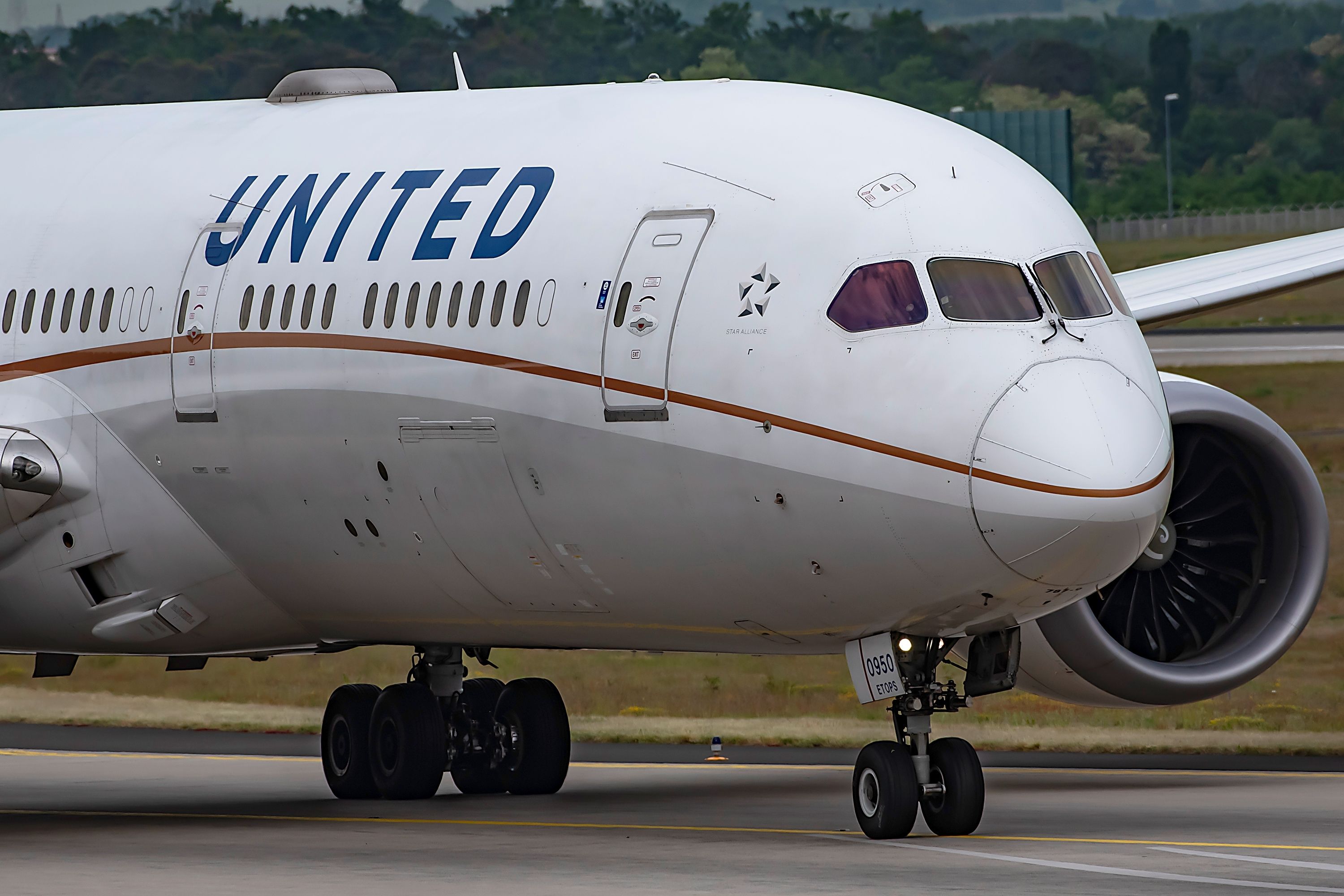
The highly busy route between San Francisco and Seoul Incheon has become a showcase for the operational consistency of the Boeing 787-9. As a primary hub-to-hub link for United Airlines, this route facilitates the massive flow of corporate travelers and cargo between Silicon Valley and the South Korean tech sector. The Dreamliner is the ideal tool for this service, providing the necessary range to cross the North Pacific while maintaining a cabin environment that helps business travelers stay productive.
United Airlines dominates the Dreamliner frequency on this route, contributing significantly to the 962 annual flights recorded for 2026. By operating multiple daily frequencies with the 787-9, the carrier offers a level of schedule flexibility that larger, less efficient aircraft simply cannot match. This strategy allows the airline to capture both the morning and evening departure banks, ensuring that connections from across the United States are funneled efficiently toward East Asia.
|
Metric |
Details |
|
Total Annual Flights |
962 |
|
Primary 787 Operator |
United Airlines |
|
Average Flight Duration |
13 hours 05 minutes |
|
Aircraft Variant |
Boeing 787-9 |
This route holds the fourth spot on this list and represents the highest volume of Boeing 787 flights connecting a single United States hub to the Korean peninsula. It surpasses the frequency of the Dallas-Seoul route due to the immense organic demand from the Bay Area’s international business community. As a linchpin of transpacific travel, this connection highlights how the Dreamliner has enabled a frequency-first approach to long-haul aviation, prioritizing passenger choice over massive seat counts.
3
Honolulu – Tokyo Haneda
1,086 annual flights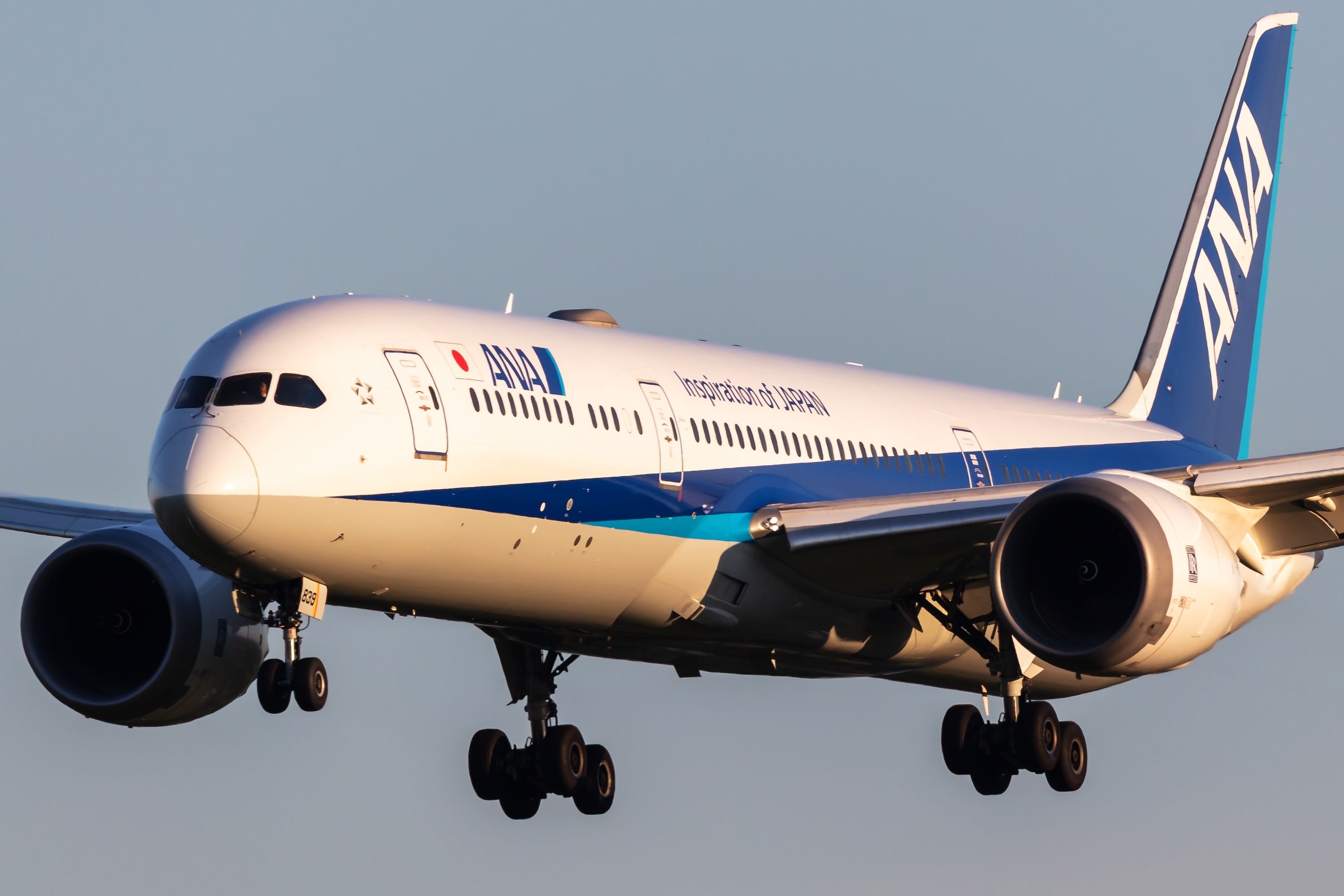
Honolulu to  Tokyo Haneda represents the modern face of Hawaiian tourism. Narita once held the bulk of leisure traffic in Tokyo, but now the shift toward Haneda highlights a move toward convenience and premium service for the Japanese traveler. This route is unique in the transpacific market, as it is driven almost entirely by high-volume vacation demand from Japan, where the Boeing 787-9 has become the definitive workhorse for island-hopping at scale.
With 1,086 scheduled flights, this corridor showcases how the Dreamliner can dominate a leisure-heavy market. Carriers like Japan Airlines and All Nippon Airways utilize the 787-9 to provide a quieter, more humid cabin environment that enhances the vacation experience from the moment of boarding. The high frequency of these flights ensures a constant flow of traffic between the Japanese capital and the islands, maintaining an average of nearly three flights per day.
|
Metric |
Details |
|
Total Annual Flights |
1,086 |
|
Primary 787 Operator |
Japan Airlines / ANA |
|
Average Flight Duration |
8 hours 45 minutes |
|
Aircraft Variant |
Boeing 787-9 |
This route takes the third spot and provides a high-frequency bridge that reflects the shifting preference of Japanese travelers toward Tokyo’s urban core. Its ranking is bolstered by the consistent vacation demand, which has declined in recent years, but remains steady even when business travel fluctuates in other markets. By utilizing the Dreamliner’s efficiency, airlines can maintain high frequencies while offering modern amenities that appeal to the competitive tourism market in East Asia.

The 10 Busiest Routes By Seats Between North America & Asia
The transpacific market is a very busy one!
2
Los Angeles – Tokyo Narita
1,095 annual flights
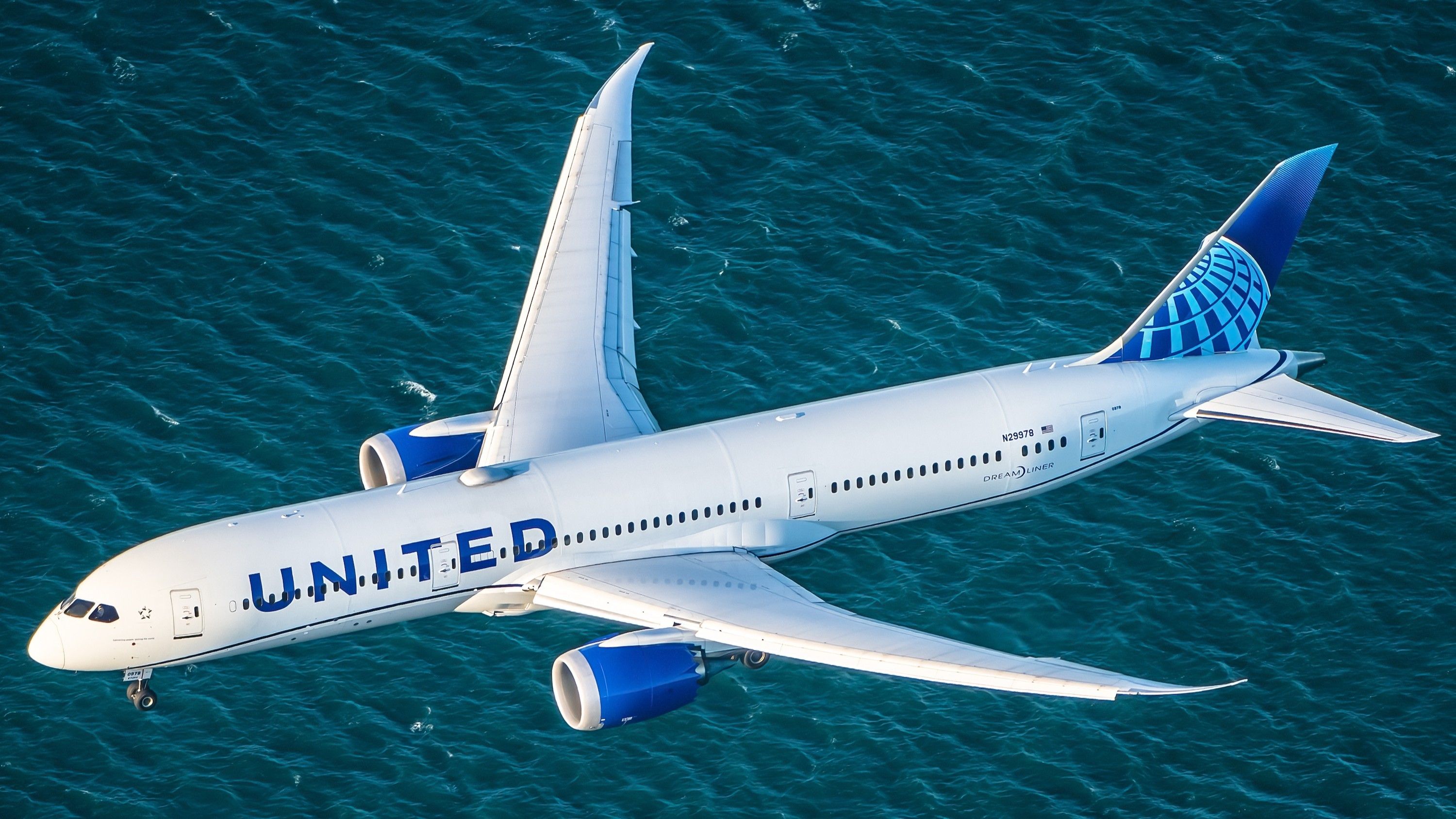
With Haneda capturing the business center, Tokyo Narita remains the primary gateway for connecting traffic across Asia, and the Los Angeles to Narita corridor is the ultimate proof of its enduring relevance. This route relies on the Boeing 787-9 to funnel passengers from across North America into the vast networks of transpacific carriers. The efficiency of the aircraft is paramount here, as it allows for multiple daily departures that cater to various connecting banks in Tokyo.
This route has an incredible 1,095 flights for 2026 and is a fiercely contested market where the Dreamliner’s fuel efficiency is the key to maintaining a competitive edge against other international gateways. By deploying the 787-9, airlines can offer a premium-heavy configuration that appeals to long-haul travelers while ensuring the cargo hold remains profitable with high-density goods. It stands as a testament to the 787’s ability to sustain massive volumes of traffic on one of the oldest and most established aviation corridors in the world.
|
Metric |
Details |
|
Total Annual Flights |
1,095 |
|
Primary 787 Operator |
United Airlines |
|
Average Flight Duration |
11 hours 55 minutes |
|
Aircraft Variant |
Boeing 787-9 |
This route is at the second spot and has the highest volume of Boeing 787 flights connecting a single United States city to Narita International Airport. It slightly trails the Los Angeles to Haneda corridor but remains a staple for travelers connecting to secondary markets in Southeast Asia. As a long-time giant of the transpacific network, this service perfectly highlights how the Dreamliner has enabled a hub-to-hub model that prioritizes both local demand and global connectivity.
1
Los Angeles – Tokyo Haneda
1,146 annual flights

The transition of transpacific traffic from Narita to Haneda has reached its peak, with Los Angeles serving as the primary US gateway for this high-demand service. By landing closer to Tokyo’s central business districts, the Boeing 787 enables a schedule that is perfectly timed for corporate travelers. This route has become the peak for efficiency, combining a shorter ground commute with the advanced comfort of the Dreamliner’s composite cabin.
In 2026, the flight frequency on this corridor reached 1,146 annual operations, dominated by a combination of American Airlines and United Airlines. The use of the Boeing 787-9 allows these carriers to maintain multiple daily rotations, providing the flexibility that premium passengers expect both in the US and Japan. This high volume of flights helps to ensure that the Dreamliner remains the most visible widebody at both LAX and Haneda terminals throughout the day.
|
Metric |
Details |
|
Total Annual Flights |
1,146 |
|
Primary 787 Operator |
American Airlines / United Airlines |
|
Average Flight Duration |
11 hours 45 minutes |
|
Aircraft Variant |
Boeing 787-9 |
This route wins the top spot and provides the most 787 routes of all across the Pacific corridor. While other routes may rely on a single dominant carrier, the LAX to Haneda market is a fiercely competitive landscape where the Dreamliner’s fuel economics allow multiple major airlines to coexist profitably. It stands as a vital link in the transpacific network, bridging the entertainment and tech capitals of the world.