dailynewsnblog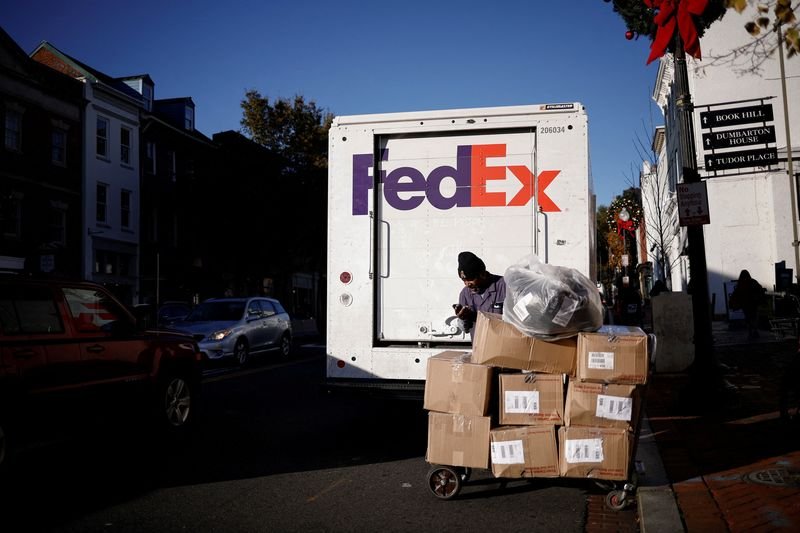
March 3 (Reuters) – Importers seeking their share of more than $130 billion in tariff refunds are flocking to a little-known U.S. trade court, which must now figure out how to deal with what is expected to be an explosion of cases.
Multinationals such as FedEx and L’Oreal and hundreds of smaller companies have filed around 2,000 lawsuits at the U.S. Court of International Trade in Manhattan, seeking refunds for tariffs imposed last year by President Donald Trump, according to court records. The cases could be the tip of an iceberg – the tariffs that were ruled illegal by the Supreme Court on February 20 were levied on more than 300,000 importers.
The number of filings represents a dramatic increase from 2024, when only 252 new cases were filed in the court, according to court data.
The Supreme Court did not address refunds, leaving that to customs officials and the eight active judges on the trade court, which typically handles disputes over anti-dumping measures and import classifications on everything from window shades to pig fat.
The Supreme Court cases, which were brought by toy company Learning Resources, spirits importer VOS Selections and other importers, are now back at the trade court.
Lawyers for five of the plaintiffs suggested in a February 24 court filing that their lawsuits should serve as test cases to determine how the refunds will be calculated and issued.
In the meantime, other cases would be put on hold.
Not everyone wants to wait.
Smaller importers, which make up the vast majority of companies that paid tariffs, want to bypass the process of bringing a lawsuit, which can cost thousands of dollars in legal fees.
They are hoping Customs and Border Protection will establish a simple, low-cost process for refunds, such as a dedicated web portal for entering basic information to generate a reimbursement.
Trade lawyers said CBP could require importers to go through its established administrative process that requires filing official protests. Complicating the process, refunds on tariffs paid early in 2025 might be treated differently than tariffs paid more recently.
The process, according to John Peterson, a trade lawyer who has filed cases in the current wave of tariff-refund claims, is “the mega-question.”
CBP did not respond to a request for comment.
SIMILAR APPROACH
In their February 24 filing, the importers’ lawyers reminded the trade court that it has experience organizing thousands of refund lawsuits, albeit involving many fewer potential claimants and much less money.
A wave of refund litigation similar to the current demands for tariff reimbursements kicked off following a 1998 U.S. Supreme Court decision that struck down a tax that had been collected from exporters for 11 years.