dailynewsnblog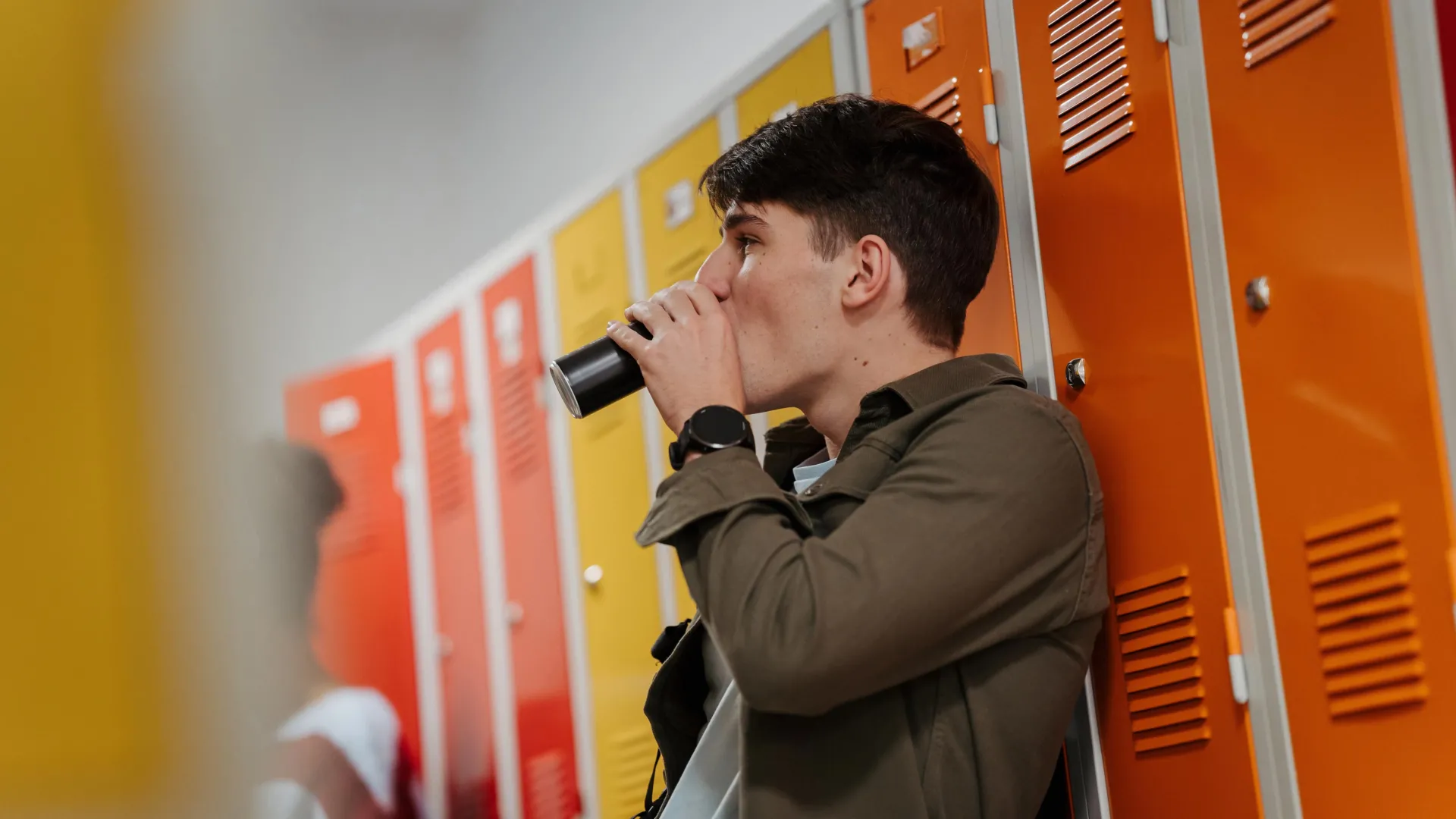
A new study reports a clear association between high sugar drink intake and anxiety symptoms in teenagers.
Researchers from Bournemouth University collaborated on a large review that examined findings from multiple earlier studies exploring the relationship between diet and mental health. By analyzing the combined data, the team looked for patterns that appeared consistently across different groups of young people. The results were published in the Journal of Human Nutrition and Dietetics.
Mental Health Often Overlooked in Diet Research
“With increasing concern about adolescent nutrition, most public health initiatives have emphasized the physical consequences of poor dietary habits, such as obesity and type-2 diabetes,” said Dr. Chloe Casey, Lecturer in Nutrition and co-author of the study. “However, the mental health implications of diet have been underexplored by comparison, particularly for drinks that are energy dense but low in nutrients,” she added.
Anxiety disorders remain one of the most common mental health challenges among young people. In 2023, an estimated one in five children and adolescents were living with a mental health disorder, and anxiety was among the most frequently reported conditions.
Survey Data Links Sugary Beverages to Anxiety Symptoms
The studies included in the review relied on survey data to measure both sugary drink consumption and mental health symptoms. Drinks high in sugar can include fizzy sodas, energy drinks, sweetened juices, squashes, sweetened tea and coffee, and flavored milks.
Across the research analyzed, the findings pointed in the same direction. Higher consumption of sugary beverages was consistently associated with greater reports of anxiety symptoms in adolescents.
Association Does Not Prove Cause
The researchers stress that the evidence does not show sugary drinks directly cause anxiety. Because the review was based on previously conducted studies, it cannot determine cause and effect.
It is possible that teens who already experience anxiety may consume more sugary drinks. Other shared influences, such as family circumstances or sleep disorders, could also contribute to both increased sugar intake and anxiety symptoms.
“Whilst we may not be able to confirm at this stage what the direct cause is, this study has identified an unhealthy connection between consumption of sugary drinks and anxiety disorders in young people,” Dr. Casey said.
“Anxiety disorders in adolescence have risen sharply in recent years so it is important to identify lifestyle habits which can be changed to reduce the risk of this trend continuing,” she concluded.
The study was led by former Bournemouth University PhD student Dr. Karim Khaled, who now works at Lebanese American University, Beirut.