dailynewsnblog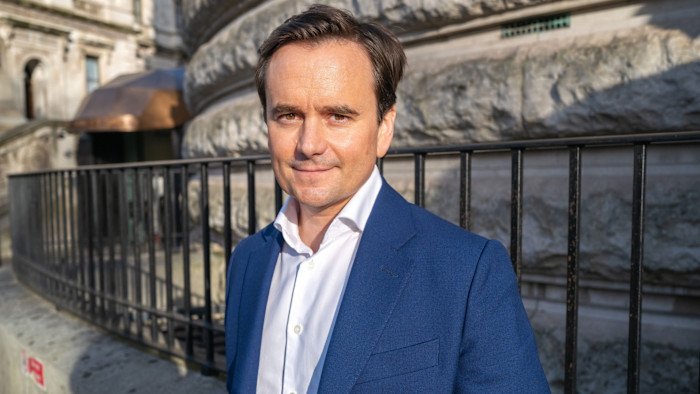
Unlock the Editor’s Digest for free
Roula Khalaf, Editor of the FT, selects her favourite stories in this weekly newsletter.
Sir Keir Starmer’s “cost of living champion” has said he is exploring measures to help households with their bills, ranging from tackling bank late payment fees to taking more levies off the cost of energy.
Lord Richard Walker, executive chair of supermarket chain Iceland, told the FT living costs were “way up there domestically in terms of people’s concerns” and that the government was determined to “make this their core . . . focus”.
Walker, whose appointment on February 6 was overshadowed by the Lord Peter Mandelson scandal, said he would work once a week with an existing “sprint team” in Downing Street focused on tackling the cost of living.
The prime minister and his cabinet should make or pull “certain interventions and levers” to persuade households they understood their situation, Walker said, noting that more could be done on cutting the cost of energy after the removal of the ECO energy efficiency scheme from bills.
“I’m not going to second guess it but I think that’s ripe as an area they need to look at,” he said in an interview.
US President Donald Trump last month set out plans for a one-year 10 per cent cap on credit card interest rates. Walker said this was a “terrible idea” that would prompt capital flight and drive people towards loan sharks.

He added: “But there are other things you can look at, like late payment fees, for example, which aren’t core income for banks . . . and aren’t fair.” This could include tackling unauthorised overdraft charges and punitive credit card interest for missing a payment deadline, he said.
“Hopefully, I’m adding power to their elbow, bringing outside experience to the great work these very good policy people are doing,” Walker said, adding that his role will be “time-limited” and focused on measures that do not “freak out markets” or take up lots of parliamentary time.
Starmer began 2026 with a promise to make tangible improvements to UK household finances and deliver “positive change” for voters.
His focus on the cost of living had already been evident in the November Budget, where chancellor Rachel Reeves announced a freeze in rail fares, a temporary cap in fuel duty and a promise to cut about £150 off energy bills by removing one environmental levy.
Some of those measures are expected to reduce inflation, which remains above the official 2 per cent target. That could in turn pave the way to lower interest rates — a crucial component of the cost of living.

Walker, 45, suggested there could be a “coalition of the willing” of supermarkets to top up “Healthy Start” vouchers, a scheme that helps mothers of small children on low incomes buy basic foods.
Other government interventions could home in on “contracted services”, such as auto renewals, where customers who have stayed with particular companies for a long time are punished with midterm price rises.
Walker, the multimillionaire son of Iceland founder Malcolm Walker, last year criticised the government for fuelling higher food prices after retailers were hit with rises in national insurance contributions and the national living wage.
Asked about his comments, Walker said taking the Downing Street role would not compromise his record of “speaking up and speaking out on behalf of my customers and saying things how I see it”.
“Before the election, the story was ‘the most pro-growth, pro-business government ever’, and I genuinely believe they can get back to that,” he said. “I think they are trying, and I think they understand they have a credibility gap in terms of their relationship with business.”
Reeves’ push for regulators to focus on ways of boosting economic growth has sparked concern among some Labour MPs about whether changes would harm consumers.
Walker revealed that he would write to regulators to ask what they were doing to help consumers and said: “I think two things can both be true, that we need longer-term economic growth but there are also interventions that need to be looked at right now with regards to the cost of living.”
“We are not going to drop the price of everything everywhere,” he said, warning of the risks of a “Greek-style deflationary economy”. “It’s more about affordability, accessibility and a sense of justice,” he added.
As Iceland’s boss, Walker has demonstrated an interest in tackling social issues by removing palm oil and plastic from own-label products, hiring ex-offenders and introducing microloans for struggling customers and discounts on infant formula.
“The way we’ve operated as a business in one of the most competitive industries and . . . actually growing market share is by thinking of our customers first,” he said. “I do think that that centre-left social purpose ground is how you run a good business now.”
Walker added that he had long ago abandoned the idea of becoming an MP, since elected politicians are expected to toe the party line.
“When they suggested the cost of living role, I thought ‘That’s awesome’, because that’s exactly who I am. I’m that critical friend and that pressure point.”