dailynewsnblog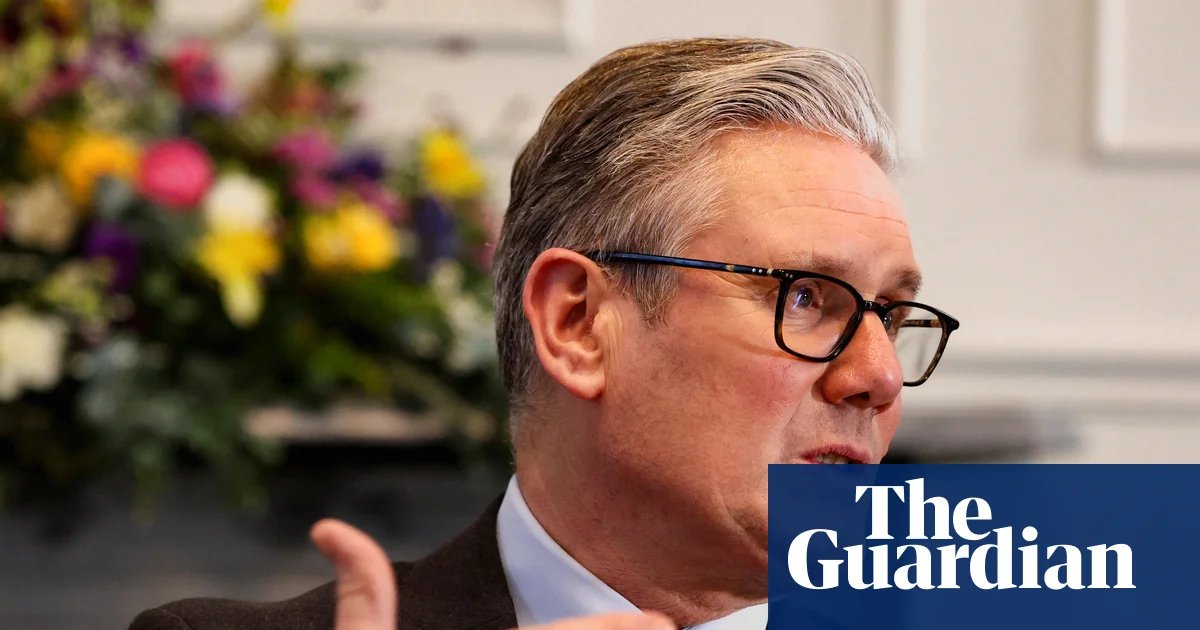
Keir Starmer could suffer further resignations when ministerial WhatsApp messages are published in the next tranche of the Peter Mandelson files, senior government sources have told the Guardian.
With officials bracing for the subsequent releases – expected to include informal communications alongside formal messages like those in the first batch – Starmer apologised again on Thursday over his handling of Mandelson’s appointment, saying: “It was me that made a mistake, and it’s me that makes the apology to the victims of [Jeffrey] Epstein, and I do that.”
The disclosures are not expected to be released for several weeks and are still to be fully collated. They will then be examined by the intelligence and security committee of MPs and peers, which will judge which are safe to release on national security grounds.
The releases were forced by a parliamentary motion passed by the Conservatives after Mandelson was sacked just nine months into his job as US ambassador after new details emerged about his ties to Epstein.
The former Labour peer has since been arrested after emails from the US Department of Justice’s Epstein files revealed he forwarded confidential information to Epstein while he was the business secretary in Gordon Brown’s government.
Officials believe some of the exchanges to be released in the next tranche of Mandelson files will be damaging enough to lead to further departures.
All senior ministers, civil servants and special advisers have been asked to have their phone messages examined, including those no longer in government, such as the former deputy prime minister Angela Rayner, the prime minister’s former chief of staff Morgan McSweeney and former communications director Matthew Doyle.
McSweeney had a “back and forth” with Doyle, the files say, over Mandelson’s relationship with Epstein.
Doyle is named in the initial Mandelson files as having been “satisfied” with the former peer’s explanation of his relationship with Epstein, whom he stayed with after the businessman’s 2008 conviction for soliciting prostitution from a minor. Both McSweeney and Doyle have already left No 10.
Ministers may be able to argue that personal or gossiping messages with Mandelson should be excluded from the releases – because the motion covers discussions relating to government business. Some officials, however, are understood to believe that that limitation could lead to further accusations of a cover-up.
The health secretary, Wes Streeting, has already released his own messages, which included discussions with Mandelson criticising the government’s growth strategy and predicting he would lose his parliamentary seat in Ilford North.
The Metropolitan police are understood to be withholding queries sent to Mandelson about his relationship with Epstein and the peer’s responses. There are also understood to be emails from the FCDO permanent secretary Oliver Robbins that the police have no disclosed.
Mandelson is understood to have told friends he believes the response to the queries will show he did not intentionally mislead the prime minister. No 10 has insisted that they will show that they were lied to.
Ministers have been warned by lawyers not to be too explicitly critical of Mandelson in the media for fear of prejudicing a future trial.
On Monday, Downing Street denied accusations by the Conservatives and Liberal Democrats that Starmer had misled the House of Commons about the vetting process or had covered up his own responses to the documents released in the files on Wednesday.
Speaking on a visit to Belfast on Thursday, Starmer reiterated that he had not known the full extent of Mandelson’s links to Epstein. “The release of the information shows what was known. That led to further questions being asked,” he said.
“Unfortunately, because of the Metropolitan police investigation, we can’t release that information yet.”
Among the documents released on Wednesday were two pieces of official advice to Starmer, one setting out the potential risks of a political appointee as ambassador, and another specifically detailing the risks of approving Mandelson, including his ties to Epstein.
Both contained an official box titled, “prime minister comments”, where under usual protocol the PM would formally give a decision and any other views. Both, however, were left blank.
On Thursday, Kemi Badenoch said it appeared that Starmer’s comments had been redacted. “They have been removed,” the Conservative leader claimed, adding: “We need the full details of what the prime minister did. There is still a cover-up going on.”
No 10 officials said nothing was redacted, and that this was the final version of the documents. It is believed Starmer most likely gave his view to officials verbally, despite protocol setting out that such decisions should be recorded formally.
“I refute the suggestion of a cover-up,” said Starmer’s spokesperson, adding that the government had “complied fully” with the Conservative’s Commons motion obliging the publication of the Mandelson documents.
He said: “The prime minister did read the advice. Clearly, there are lessons to be learned on the wider appointment process, as we have set out, and indeed the internal processes that led up to it.”
On Thursday evening, the Conservatives announced that they had written to Laurie Magnus, Starmer’s independent adviser on ethics, to ask him to investigate whether omissions in the files released so far constituted an attempted cover-up.
In a letter to Magnus, the party pointed to the lack of any words from Starmer himself, or from his advisers, as well as what they said were other apparent omissions.
Among other files in the documents are comments from Jonathan Powell, Starmer’s national security adviser, who said Mandelson’s appointment felt “weirdly rushed”.
No 10 officials said, however, that while Mandelson’s vetting took place quickly, there were standard rules that allowed them to request an expedited process a certain number of times each year.
Starmer and his ministers have said events surrounding Mandelson have shown that current vetting and due diligence processes are not fit for purpose, and need to be changed.
But the spokesperson said Starmer was not seeking to avoid culpability: “The prime minister has taken responsibility for Peter Mandelson’s appointment as ambassador to the United States, he has acknowledged it was a mistake, and he has apologised.”