dailynewsnblog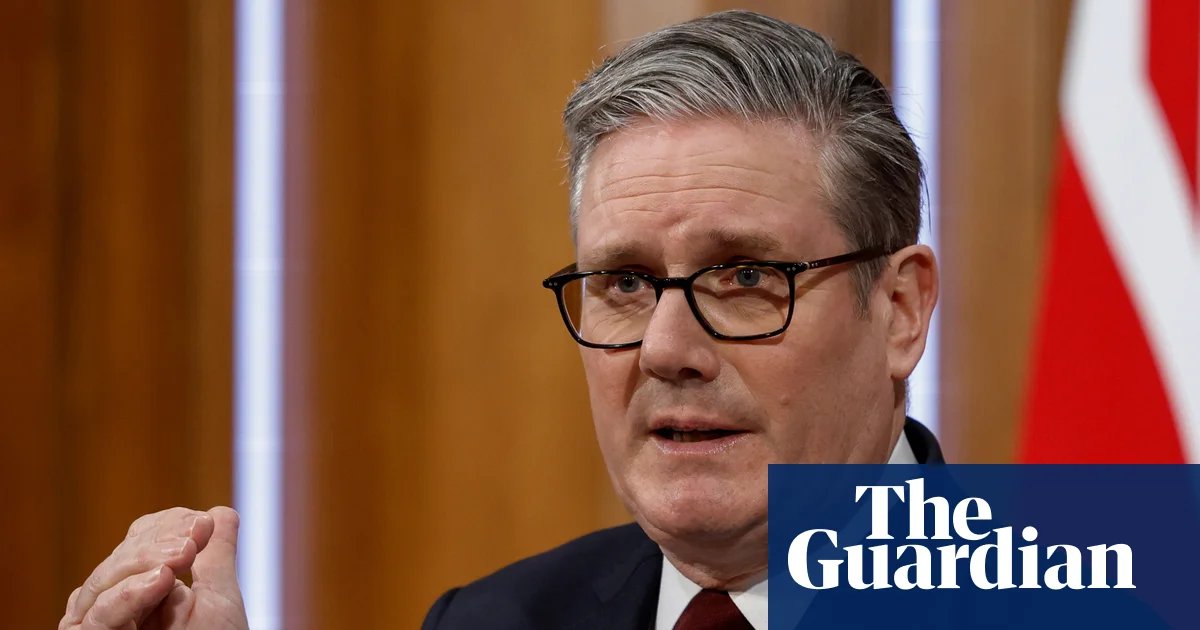
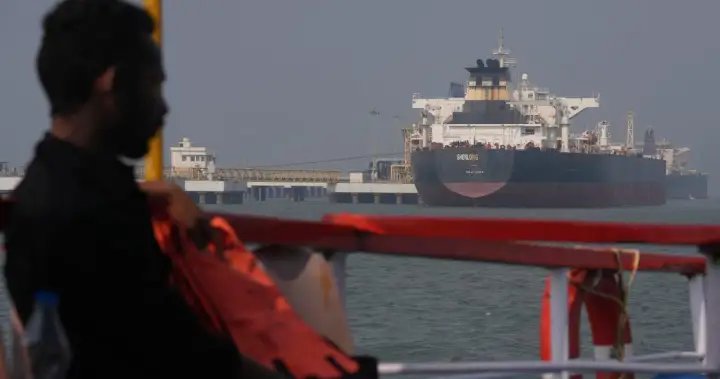
Keir Starmer has insisted that the UK will not be drawn into the wider war in the Middle East as European leaders ruled out sending warships to the strait of Hormuz.
In his clearest signal yet of the UK’s divergence from Donald Trump’s attack on Iran, the prime minister said he would stand firm in the face of US pressure despite the decision being “difficult, there’s no hiding that”.
As concerns mounted at home over US demands for the British military to help keep shipping lanes open, he said: “While taking the necessary action to defend ourselves and our allies, we will not be drawn into the wider war.”
Despite threats from the US president that Nato faces “a very bad future” if members fail to help reopen the vital waterway, European leaders underlined Washington’s isolation as Germany and Italy said they had no plans to send ships. Australia, France and Japan have taken a similar position.
This drew a further rebuke from Trump, who singled out Starmer’s failure to provide minesweepers to the Middle East, saying it was terrible and that he was not happy with his close ally.
“I was very surprised with the United Kingdom, because two weeks ago, I said, why don’t you send some ships over? And he really didn’t want to do it,” Trump told reporters.
“I said, you don’t want to do it? We’ve been with you. You’re our oldest ally, and we spend a lot of money on, you know, Nato and all of these things to protect you.
“We’re protecting them. We’re working with them on Ukraine. Ukraine’s thousands of miles away, separated by a vast ocean. We don’t have to do that, but we did it.”
Starmer told a Downing Street press conferenceon Monday he was “looking through the options” after Trump asked for help in a phone call on Sunday night to keep the strait of Hormuz open and unblock global oil supplies from the region.
Ministers are drawing up plans to send aerial minesweeping drones to help clear the strait amid concerns in Whitehall that complying with Trump’s demand to send ships could escalate the crisis.
Britain’s last minesweeping ship in the region, HMS Middleton, left Bahrain for maintenance days before the war began, a move now at the centre of a government row over whether the UK did enough to prepare for the conflict.
Iran’s announcement that it would target ships using the strait, through which a fifth of the world’s oil supply normally passes, has sent oil prices soaring from about $65 (£49) a barrel to more than $100, and economists predict higher inflation and lower growth this year as a result.
The situation has put further pressure on the relationship between Starmer and Trump, which has been damaged by the prime minister’s refusal to allow the president to use British bases to launch his initial attack on Tehran.
Starmer said his decision not to join the initial US offensive had been a matter of “principles, which I believe are shared by the British people, that our decision should be based on a calm, level-headed assessment of the British national interest”.
The prime minister said the UK was working with allies – including in Europe, the US and the Gulf – on a viable plan to reopen the shipping lane, but gave no indication that was imminent.
“We will keep working towards a swift resolution that brings security and stability back to the region and stop the Iranian threat to its neighbours,” he said.
“I want to see an end to this war as quickly as possible, because the longer it goes on, the more dangerous the situation becomes, and the worse it is for the cost of living back here at home.
“It’s a discussion. We’re not at the point of decisions yet. It’s obviously a difficult question, that goes without saying, in relation to how you safeguard maritime traffic.
“We cannot allow the war in the Gulf to turn into a windfall for Putin. Now it’s clear the US operation has massively weakened the military capability of the abhorrent regime in Iran. The question is, what comes next?”
UK officials have been alarmed by Trump’s lack of a plan for ending the conflict, and Starmer said Britain must not lose sight of the fact there would ultimately have to be a negotiated settlement.
With oil costs surging since the start of the conflict, Starmer announced that lower income households reliant on heating oil to warm their homes would receive £53m of government support to help with their bills.
The government has come under pressure to do more to help people across the UK who are worried about the cost of energy bills when the current energy price cap finishes at the end of June. The new level will be announced in May.
Starmer said his instinct was to help people struggling with the cost of living, but suggested it was difficult to predict where oil prices would be and that de-escalating the conflict should be the priority.
The UK was not alone in resisting Trump’s call for ships to be sent to the region. Germany ruled out participation in any military activity, including efforts to reopen the strait. “This is not our war, we have not started it,” the country’s defence minister, Boris Pistorius, said.
European politicians have emphasised negotiations to reopen the strait. Italy’s foreign minister, Antonio Tajani, said diplomacy needed to prevail and that his country was involved in no naval missions that could be extended.
The position taken by the three major European countries was striking because they had avoided criticising Trump over his decision, alongside Israel, to attack Iran 16 days ago.
Soon after the first strikes, the US president said the goal of the military campaign was regime change, but the war has since become a wider regional conflict, causing energy prices to soar.