dailynewsnblog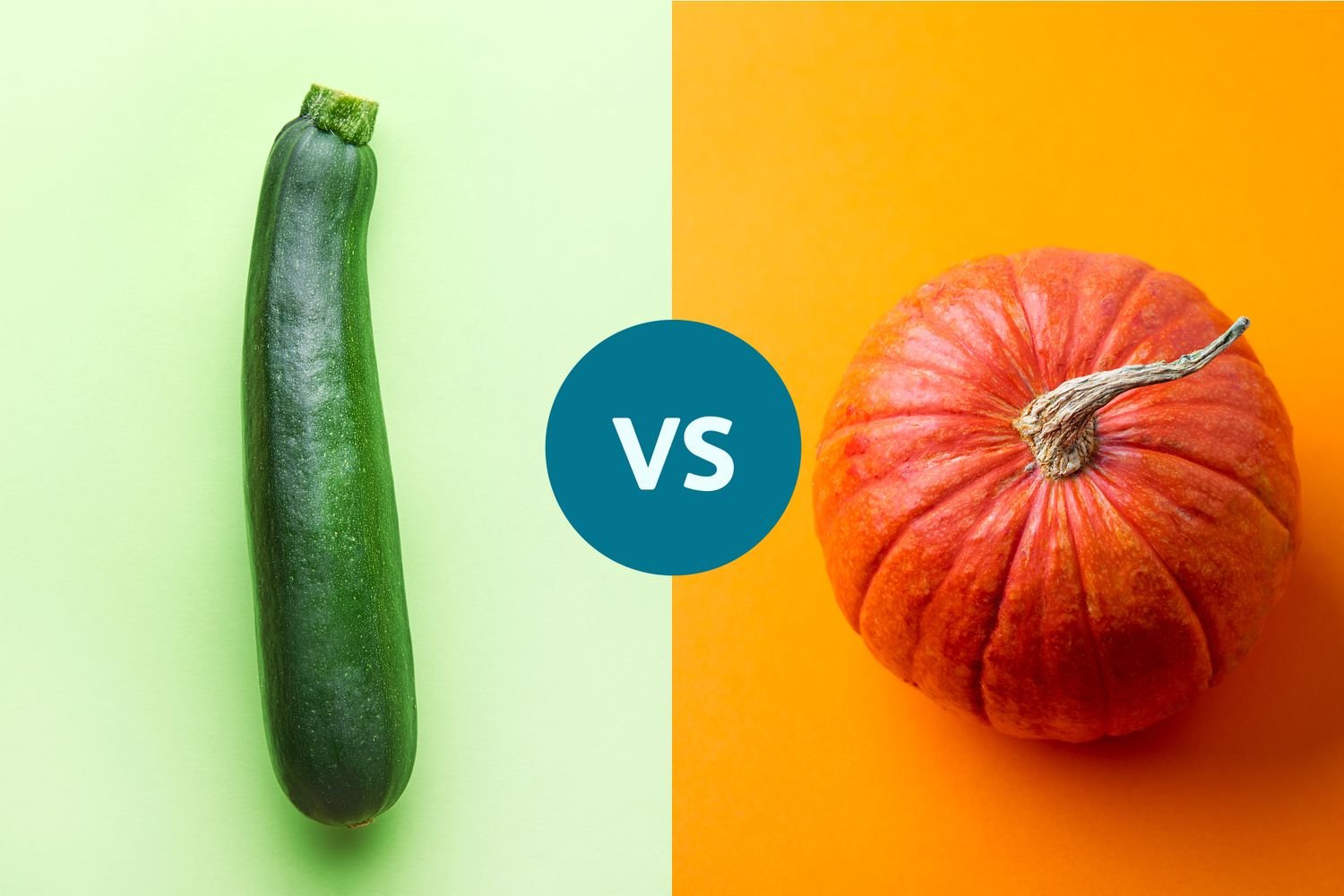
Key Takeaways
- Pumpkin is an excellent source of antioxidants like beta-carotene, lutein, and vitamin C.
- Zucchini and other squashes are significant sources of antioxidants, but pumpkin generally contains more.
- Winter and summer squashes have been linked to various health benefits, including improved eye health, heart health, and digestion, among others.
All pumpkins are squashes, but not all squashes are pumpkins. Pumpkin and other winter squashes are considered to be more nutrient-dense than summer squashes. However, all types of squash contain antioxidants and offer nutrition and health benefits.
Which Has More Antioxidants: Squash or Pumpkin?
| Antioxidant Comparison of Pumpkin and Zucchini Per 3.5 Ounce Serving | ||
|---|---|---|
| Nutrient | Pumpkin | Zucchini |
| Vitamin A | 426 mcg (47% DV) | 10 mcg (1% DV) |
| Vitamin C | 9 mg (10% DV) | 17.9 mg (20% DV) |
| Vitamin E | 1.06 mg (7% DV) | 0.12 mg (1% DV) |
| Beta-Carotene | 3,100 mcg | 120 mcg |
| Alpha-Carotene | 4,020 mcg | 0 mcg |
| Lutein + Zeaxanthin | 1,500 mcg | 2,120 mcg |
Squash vs. Pumpkin: How Do They Compare Nutritionally?
Squashes are typically classified as either winter squash or summer squash, depending on when they are in season.
- Examples of winter squash include pumpkins, butternut squash, spaghetti squash, and acorn squash.
- Summer squashes include zucchini, crookneck, and pattypan.
Winter and summer squashes have different uses, flavors, and nutrient profiles.
Due to their nutritional similarities, the choice between pumpkin and summer squash may come down to your personal taste preferences.
| Nutrient Content of Pumpkin and Zucchini (Per 1 Cup Cooked) | ||
|---|---|---|
| Nutrient | Pumpkin | Zucchini |
| Calories | 26 kcal | 17 kcal |
| Protein | 1 g (2% DV) | 1.2 g (2% DV) |
| Total Fat | 0.1 g (<1% DV) | 0.3 g (<1% DV) |
| Carbohydrate | 6.5 g (2% DV) | 3.1 g (1% DV) |
| Dietary Fiber | 0.5 g (2% DV) | 1 g (4% DV) |
| Calcium | 21 mg (2% DV) | 16 mg (1% DV) |
| Magnesium | 12 mg (3% DV) | 18 mg (4% DV) |
| Potassium | 340 mg (7% DV) | 261 mg (6% DV) |
| Vitamin C | 9 mg (10% DV) | 18 mg (20% DV) |
| Folate | 16 mcg (4% DV) | 24 mcg (6% DV) |
| Vitamin A | 426 mcg RAE (47% DV) | 10 mcg RAE (1% DV) |
| Vitamin K | 1.1 mcg (1% DV) | 4.3 mcg (4% DV) |
Is Squash Healthier Than Pumpkin?
Both are healthy. It’s less about which is better and more about your preferences and what your body and diet need.
Pumpkin is generally more nutrient-dense, especially in terms of antioxidants and vitamin A. Squash can be light and refreshing and carries its own health benefits.
The following table compares some of the potential research-backed health benefits of pumpkin and zucchini.
| Pumpkin vs. Zucchini: Health Benefits Breakdown | ||
|---|---|---|
| Health Benefit Area | Pumpkin | Zucchini |
| Blood Sugar Control | May help lower blood sugar by increasing insulin production; shown to lower fasting blood sugar levels in animal studies. | Zucchini is high in fiber, which slows digestion and reduces blood sugar spikes. |
| Anti-Inflammatory & Antioxidants | Contains antioxidants with anti-inflammatory and anti-tumor effects. | Antioxidants (like vitamin C) have anti-inflammatory properties and may protect DNA from damage. |
| Eye Health | Rich in lutein and zeaxanthin, which may protect against age-related macular degeneration and cataracts. | Lutein and zeaxanthin may help prevent age-related macular degeneration and cataracts. |
| Liver Health | Antioxidants in pumpkin may protect the liver and help regulate liver enzymes. | Per animal studies, carotenoids and other antioxidants in zucchini may protect the liver from damage. |
| Heart Health | Pumpkin seed oil may help lower cholesterol and reduce heart disease risk; comparable to olive oil in effects on blood lipids. | High in fiber, potassium, and antioxidants—nutrients linked to a lower risk of heart disease. |
| Cancer Prevention | Bioactive compounds in pumpkin (including antioxidants) may reduce tumor growth; pumpkin seed oil may lower prostate cancer risk. | Zucchini contains antioxidants and other bioactive compounds that may have anti-cancer effects. |
| Digestive Health | Pumpkin pulp contains dietary fiber that aids digestion and supports a healthy gut microbiome. | High in water and fiber (both soluble and insoluble), which supports digestion and healthy bowel movements. |
:max_bytes(150000):strip_icc():format(webp)/Lubeck-headshot-0579405875e54490895f690b1b864e04.jpeg)