dailynewsnblog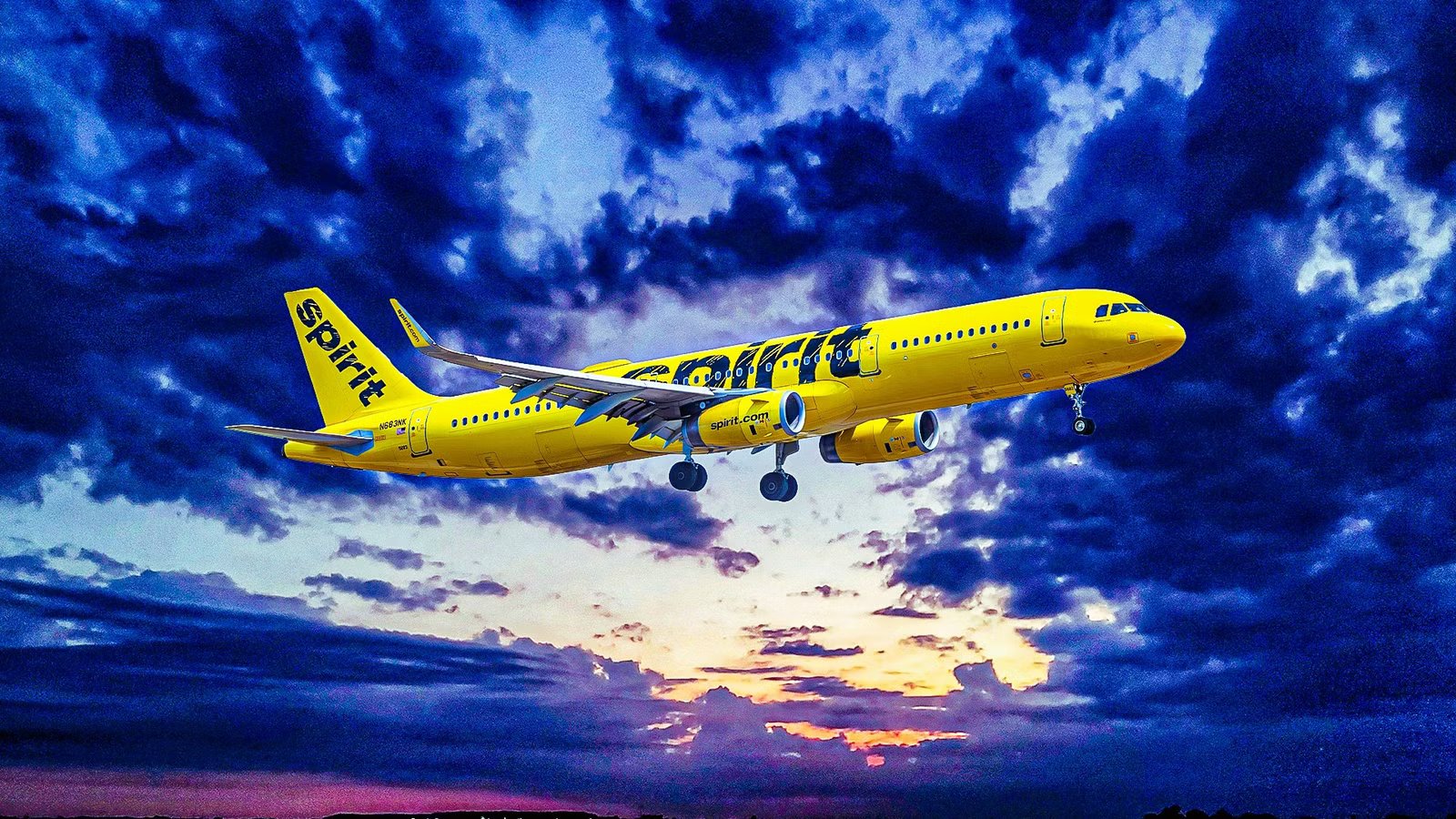
The latest schedule filings from Spirit Airlines make one thing clear: the carrier is still very much in “survival mode.” And that means cutting flying, especially where the economics aren’t working. As reported by AeroRoutes, the airline will be making drastic cuts to its international network from mid-April, bringing a fresh round of frequency reductions and outright cancellations.
On paper, the changes look like classic capacity “optimization.” In practice, they read more like a carrier narrowing its focus to core, repeatable routes and trimming everything else. It’s an approach that fits Spirit’s broader post-bankruptcy strategy of becoming smaller, less sprawling, and more disciplined about where it deploys aircraft.
A Smaller Spirit After Chapter 11

Spirit’s route cuts are happening alongside a bigger corporate reset. Bloomberg reports that the airline is aiming to emerge from its second Chapter 11 restructuring in late spring or early summer 2026, after reaching an agreement in principle with creditors. The numbers behind that plan are stark. Spirit has outlined a path to reduce debt and lease obligations from about $7.4 billion to roughly $2.1 billion, while targeting a major reduction in fleet-related costs compared with pre-bankruptcy levels.
Crucially, the airline’s “New Spirit” pitch isn’t just about cutting — it’s about reshaping the product while shrinking the footprint. Management has described a strategy centered on the following:
- Double down on core markets, especially routes tied to Fort Lauderdale and Orlando, plus the New York area and Detroit.
- Lean harder into premium revenue by rolling out premium economy fleetwide and potentially increasing “Big Front Seat” capacity.
- Pull back on weak midweek demand by cutting loss-making Tuesday/Wednesday flying and redeploying aircraft to peak travel periods to boost utilization.
- Further right-size the fleet and balance sheet by walking away from high-cost A320neo-family leases while reducing overall debt and lease obligations. The ultimate target is a fleet of roughly 100 aircraft.
The airline says that the restructuring will also allow Spirit to “consider future industry transactions” once it leaves Chapter 11. Before filing its first bankruptcy, Spirit agreed to be acquired by JetBlue, but a federal judge blocked the tie-up in 2024 on antitrust grounds. But the market has changed since then, and Spirit CEO Dave Davis says that the restructuring is a stepping stone towards new opportunities:
“In order for us to be good consolidation partners we need to be a profitable standalone airline. When we achieve that, we will be looking around for strategic opportunities in the business.”
As a result, the network cuts revealed today are not entirely as surprise. But the extent of them, paired with further reductions across its domestic network, will radically alter the airline’s summer schedule compared to last year.
Fort Lauderdale Feels The Knife

In total, Spirit is canceling 11 routes across The Caribbean and Central America, and significantly reducing flights on 22 others. The changes are heavily Florida-weighted, and  Fort Lauderdale-Hollywood International Airport is the headline. AeroRoutes’ schedule comparison shows Spirit canceling three international routes from FLL in mid-April 2026: Grand Cayman effective April 13, Managua effective April 14, and San Salvador effective April 15.
But the bigger story is the breadth of frequency reductions radiating out of FLL. Several markets are cut sharply: Guatemala City drops from twice-daily to just 4 weekly; Guayaquil falls from daily to 2 weekly; and multiple Colombia and Caribbean routes are trimmed back to less than half their current frequency. In other words: even when Spirit stays in a market, it’s showing up a lot less.
|
Base |
Canceled |
Reduced |
|---|---|---|
|
Fort Lauderdale |
3 (GCM, MGA, SAL) |
18 (AXM, AUA, BAQ, BOG, CLO, CUN, CTG, GUA, GYE, KIN, MDE, MBJ, PUJ, SXM, SJO, SJU, STI, SDQ) |
|
Orlando |
3 (BOG, CUN, SJO) |
1 (STT) |
|
Houston |
4 (GUA, SAP, SAL, XPL) |
1 (CUN) |
|
New Orleans |
1 (SAP) |
– |
|
Dallas/Ft. Worth |
– |
1 (CUN) |
|
Baltimore/Washington |
– |
1 (SJU) |
Outside South Florida, the cuts still bite.  Orlando International Airport loses Cancun outright effective April 15, alongside cancellations to Bogotá and San José, Costa Rica on the same date. Meanwhile,
  Houston George Bush Intercontinental Airport sees planned Central America flying pulled before it even launches: Guatemala City, San Pedro Sula, San Salvador, and Tegucigalpa are all listed as routes that were due to start in June, but are now canceled.
It is noteworthy that across many of these routes, Spirit is shying away from direct competitors that have recently entered the market. In South Florida, JetBlue started operating on five of the routes that Spirit is now canceling/reducing as part of its big expansion in December. In Houston, three of the four planned routes had Frontier Airlines start new service before Spirit could even get there.

Why Spirit Airlines Is Shrinking & Ditching The ‘Cheap’ Playbook
The carrier has a plan to exit bankruptcy.
Domestic Cuts Keep Coming Too

But it’s not just the international schedule that is taking the hits. After months of cutting domestic routes and removing cities, AeroRoutes also shows that further cuts are coming Stateside from mid-April as the airline continues to rationalize its network and align with its reduced fleet.
Florida-heavy pruning stands out again. From Fort Lauderdale, Spirit removes service to Charleston, Cleveland, Kansas City, Key West, and Las Vegas, while Orlando loses Myrtle Beach, reinforcing that even “sun-and-fun” flying isn’t immune if the route doesn’t clear the profitability bar. There are cuts beyond Florida as well. Spirit’s large base at  Detroit Metropolitan Wayne County Airport loses Charlotte and Fort Myers, while Newark loses Savannah and the airline will stop flying between Miami and Boston.
Taken together, the message is consistent: Spirit is shrinking because it has to. A smaller network makes it easier to match capacity to demand, improve utilization when it matters most, and stop bleeding cash on thin or overly competitive routes. The strategy is to simplify the operation, and re-emerge as a leaner airline that still sells low fares, but increasingly leans on higher-yield seating and tighter scheduling discipline to survive. Whether the strategy pans out in the long term remains to be seen.