dailynewsnblog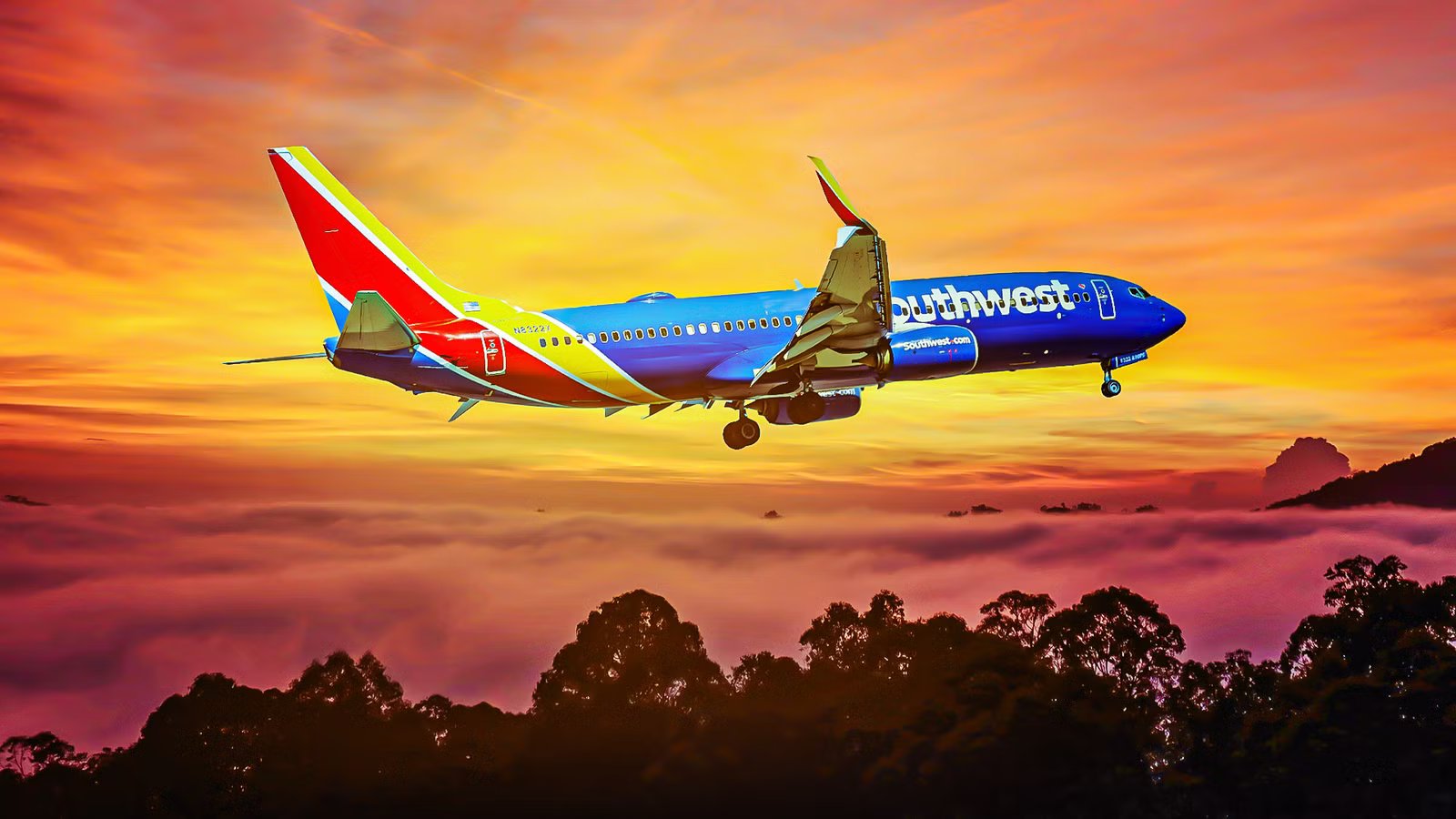
Southwest Airlines will debut a new ad called “Boarding Royale” during the Super Bowl on February 8, 2026. It will stream in a national ad spot on Peacock and air on local cable channels in six markets: Dallas, Austin, San Diego, Chicago, Denver, and Honolulu. The carrier developed the new ad in partnership with its longtime agency, GSD&M.
The “Boarding Royale” ad introduces the airline’s updated assigned-seating approach and offers a witty callback to its former open-seating days. Open seating was a big part of Southwest’s growth, but assigned seating better prepares the airline for the future and meets customers’ needs, according to the airline.
Saying Goodbye To Open Seating

The new commercial showcases the hectic, “boarding school-style” scramble of the former boarding process, as reported by ADWEEK. It spotlights the shift to assigned seating for flights on or after January 27, 2026, reassuring passengers that boarding will now be more relaxed. However, since debuting with the assign-seat approach, passenger feedback during the first few days has been mixed, with many pointing out flaws in the boarding process.
This includes gripes over competitive gate behavior, late seat re-assignments and constant seat-switching between passengers once onboard. Meanwhile, others have praised the ability to guarantee your seat before boarding and spoke of a calm and orderly onboard experience. The new ad, which will be showcased during the Big Game, uses humor to reassure passengers. In a press release,  Southwest Airlines stated:
“Southwest’s bold personality and humor have always been unique in the industry, and no matter the seat configuration, the legendary Hospitality that Customers expect at Southwest remains.”
Why Did Southwest Abandon The Open-Seating Approach?

For decades, Southwest Airlines has used an open seating model that lets passengers choose any available seat once onboard. The system became a core part of the airline’s operations and branding that set it apart from other United States carriers. But decades later, the approach is changing.
According to market research shared by chief executive officer (CEO) Bob Jordan in July 2024, eight out of ten Southwest Airlines customers prefer assigned seating. The shift to assigned seats followed pressure from investors who want the airline to tap into additional fee revenue and narrow the profit gap with competitors. Now, the assigned-seating approach will be tied to four new fare bundles: Basic, Choice, Choice Preferred, and Choice Extra.
Basic passengers will either receive an automatically assigned seat a day before departure or pay extra to select a seat. All other fare types will include seat selection at no extra cost. Each tier will offer different options. Choice Preferred customers can select seats closer to the front of the cabin, while Choice Extra fares include access to extra-legroom seats.

January 27th: Southwest Sets Date For Assigned Seating Launch
Passengers will be able to begin selecting seats when the carrier’s next schedule extension opens for booking later this month.
Is The Airline Losing Its Identity?

Shutterstock, Simple Flying
By moving to assigned seating, Southwest is giving up one of its signature traits, a change some believe could hurt the airline over time. While investors have responded positively, boosting the stock price, the shift may distance loyal customers and weaken the simplicity and transparency that long differentiated the brand.
Last summer, Southwest Airlines scrapped another of its trademarks by removing its decades-old free checked bags policy. Previously, all Southwest passengers were entitled to two checked bags free of charge, but baggage allowance is now determined by fare type or as an ancillary charge.
Southwest has also shifted its loyalty program to a demand-based redemption model. In March 2025, the airline overhauled Rapid Rewards by reducing the points earned on its lowest fare class, Wanna Get Away, introducing variable redemption pricing tied to demand, and lowering the requirements for A-List status.