dailynewsnblog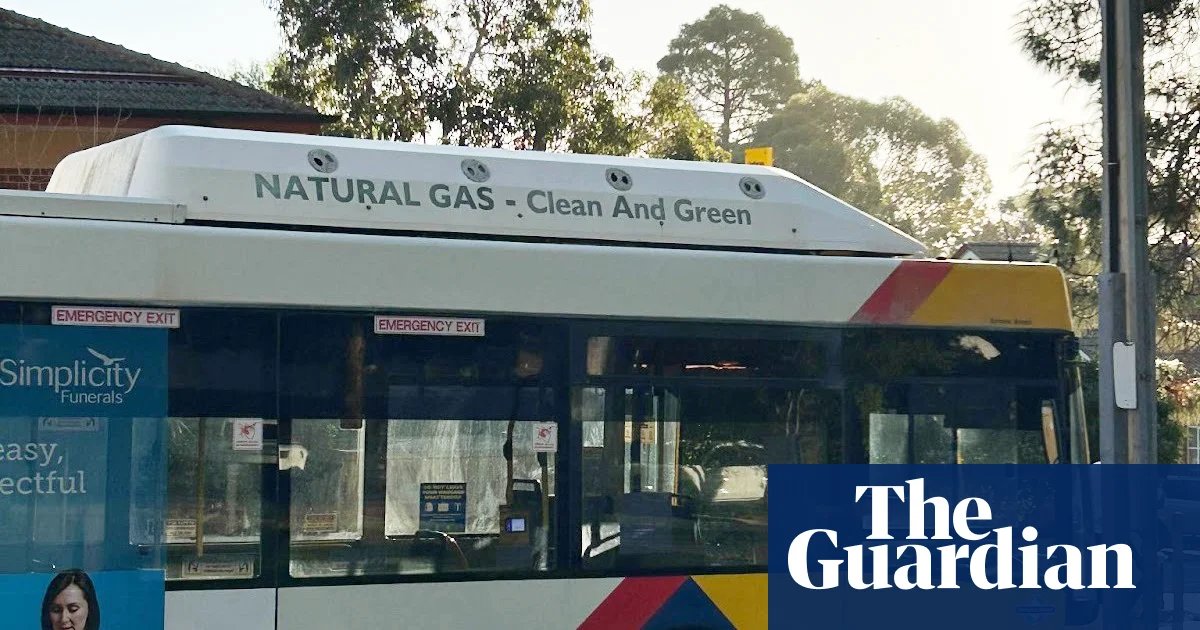
South Australia’s transport department misled the public by running ads on buses claiming “natural gas” was “clean and green”, the advertising regulator has found.
The SA Department for Transport and Infrastructure has agreed to remove the advertising that has been on some Adelaide Metro buses since the early 2000s after Ad Standards upheld a complaint from the not-for-profit organisation Comms Declare.
The ads have appeared on the side of buses that run on “compressed natural gas”, or CNG. In its complaint, Comms Declare said describing gas as clean and green was false and misleading as it suggested the fuel had a neutral or positive impact on the environment and was less harmful than alternatives.
It said in reality gas was mostly composed of methane, a short-lived but potent fossil fuel.
The Ad Standards panel agreed the ads breached three sections of its environmental claims code. It said the claim was “misleading and unsubstantiated, was vague, and did not communicate a genuine environmental benefit”.
The panel said CNG buses were originally introduced to provide more environmentally responsible transport than diesel buses, but transport solutions had evolved dramatically over the past 20 years and now included cleaner electric, hydrogen and hybrid alternatives.
Comms Declare said multiple studies from across the globe had found buses that ran on CNG resulted in a roughly similar amount of greenhouse gas emissions being released into the atmosphere as buses that ran on diesel. It highlighted Adelaide Metro was now replacing its bus fleet with electric vehicles that it described as “better for the environment”.
after newsletter promotion
Comms Declare’s founder, Belinda Noble, said the decision was “another warning to any advertisers that want to make claims about gas products being good for the environment”. She said it followed similar rulings against Hancock Prospecting and Australian Gas Networks ads.
“Methane gas creates toxic pollution at all stages of its production and use and is a major cause of global heating,” Noble said.
Ad Standards said the Department for Transport and Infrastructure had “reviewed the decision and will take the appropriate action to remedy the issue in the near future”.
A department spokesperson said it had received a direction from the Ad Standards panel to remove messaging from “a small number” of Adelaide Metro buses.
The spokesperson argued that CNG was a “cleaner burning alternative to diesel” when it was purchased, offering about a 13% cut in greenhouse gas emissions and a “considerable reduction in harmful emissions” of carbon monoxide, nitrous oxide and particulates.