dailynewsnblog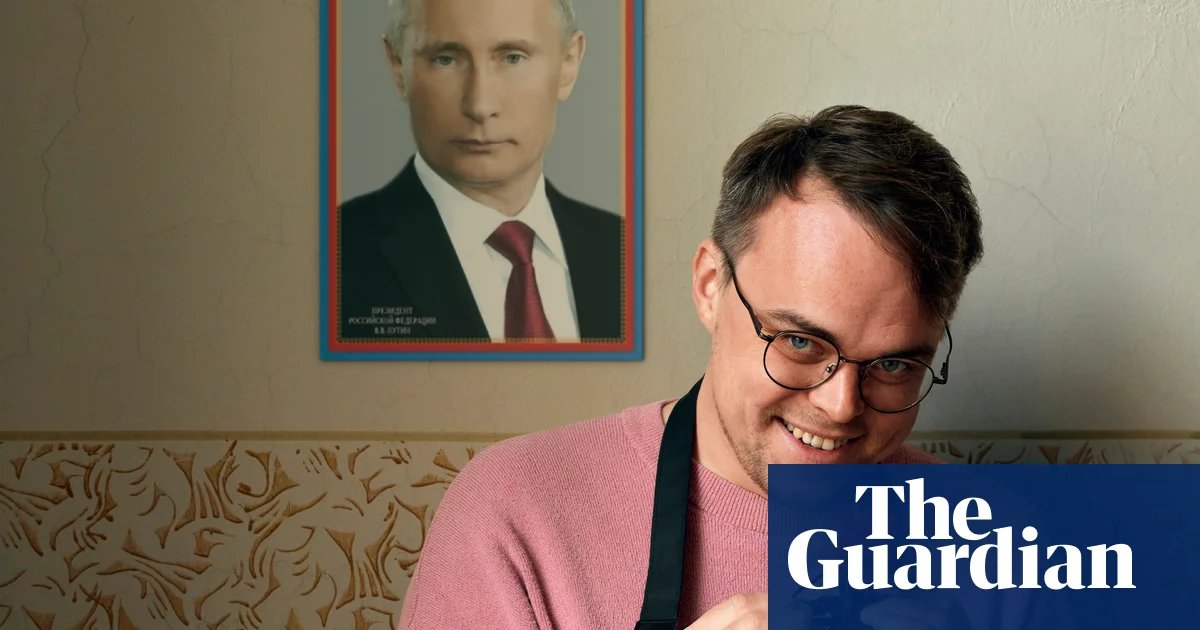
In order to watch the Oscar-nominated documentary in which many of them have starring roles, pupils at Karabash School No 1 have had to source bootlegged copies, viewing the film in private, on their phones or their laptops.
Last week’s Bafta best documentary win for Mr Nobody Against Putin has been studiously ignored by Russian state media, and the prize the film won at Sundance last year was also met with silence. Staff at the school and government officials in the Kremlin seem united in their desire to pretend that they know nothing about the film.
But Pavel Talankin, school teacher, co-director and hero of the documentary, is hopeful that the film’s inclusion at the Oscars later this month will make more Russians aware of its existence.
His footage shows his colleagues grappling with the rollout of a new government-mandated, patriotic education programme designed to mould primary schoolchildren into Putin enthusiasts and supporters of the war against Ukraine. The documentary reveals Russia’s potent propaganda machine in action.
“I hope it will help these children in the future to understand that they were the victims of all this,” Talankin says. “This film is primarily aimed at Russians, showing them what is happening inside their schools now.”
Talankin, whose role at the school was to coordinate and film school events and extracurricular activities, spent two-and-a-half years documenting the mass indoctrination drive. Footage of the classes had to be uploaded regularly to a government website as evidence that staff were fulfilling the education ministry’s required quota of patriotic teaching.
He was also, at great risk to himself, sending the footage out of the country to US director David Borenstein, who began working on editing it into a film.
The documentary shows pliant, obedient children, who initially seem bored and confused by the classes, slowly absorbing the new material. Before the start of the war against Ukraine, they line up to sing cheerful choruses declaring: “May there always be sunshine; may there always be sky.” A few months later, we see them holding their heads in worried incomprehension as their teachers read out government scripts about the goals of the Russian army in Ukraine, and stumbling over unfamiliar words such as “denazification” and “demilitarisation”.
Soon, the school’s corridors echo to the noise of children soberly marching through the building, their backs straight, their arms swinging in unison. Representatives from the Wagner paramilitary organisation visit to teach them how to identify and step around mines that could blow their legs off. Grenade-throwing competitions replace regular sports classes. Meanwhile, at home on television, the children are watching chatshows on which Russian soldiers discuss the war, and utter phrases such as: “We mustn’t kill them [Ukrainians] out of hate, we must kill them out of love for our own children.”
“The propaganda is very effective,” Talankin, 34, says, speaking in London two days after the Bafta win. “The state spends a lot of money on it; they wouldn’t bother if it didn’t work.”
The cumulative effect of introducing these classes in thousands of primary schools across Russia’s 11 time zones is significant. “Putin’s government is doing everything it can to create a generation loyal to his politics. The film highlights not just what is happening now, but how when these children emerge from education, in 10 or 15 years’ time, a new generation of pro-Putin loyalists will have been created,” he said.
This indoctrination programme has a negative impact on the children’s normal education. An emergency staff meeting is convened to discuss why grades have dropped sharply at the school. Some teachers wonder whether this might be because so much time is being spent on the new patriotism classes. The head teacher says wearily that she would be sacked if she opted to stop teaching that material. “It’s impossible to get inside Russian schools with a camera, so to be able to hear her say that makes this the film’s most important scene in my view,” he says.
Talankin is impressed that so many people in Karabash, a small industrial town in the Urals, have managed to see the film. Pirated copies were handed from one person to the next, like samizdat volumes of Aleksandr Solzhenitsyn’s banned works in the Soviet Union, he says. “Parents didn’t really know what was being taught in these classes. Some people have written to me with gratitude, others have said we will break your knees next time we see you.”
When local officials became aware that the film had been widely viewed in the town, officers from the FSB state intelligence agency were sent to the school to speak to the teachers. “They gathered the school leadership together and said: this person did not exist and does not exist and you must not contact him; this film did not exist and does not exist, and you must make no comment on it.”
It is important for Talankin to believe that the film will ultimately have an impact in Russia, because his involvement with the documentary has forced him to leave his family and flee the country where he had lived all his life to avoid being arrested for dissent. Updated, repressive anti-treason laws were introduced while he was filming, and had his project been uncovered he faced the threat of life imprisonment.
The day after the school graduation ceremony in 2024, he told his mother (the school librarian), his friends and his colleagues, that he was going on holiday to Turkey for a week, packed a suitcase with copies of all his recordings, and left the country, hoping that his bags would not be searched.
He knows he will not be able to return home, and has secured political asylum in Europe. He believes the personal sacrifice was worth it. “It’s better to talk about problems than be silent about them.”
In his Bafta acceptance speech, Borenstein highlighted the extreme bravery shown by Talankin. “He is not Mr Nobody. He wanted to show how quickly totalitarianism can take over a school, a workplace, a government. And how our complicity becomes fuel in that fire,” he told the audience.
“When a treason law threatened him with imprisonment, he kept filming. When a police car started parking outside his house, he kept filming. And when he had to sacrifice his entire life in Russia to smuggle out this footage, he didn’t hesitate. No matter who we are, there is always power in our actions. Courage is found in unlikely places. We need more Mr Nobodies.”