dailynewsnblog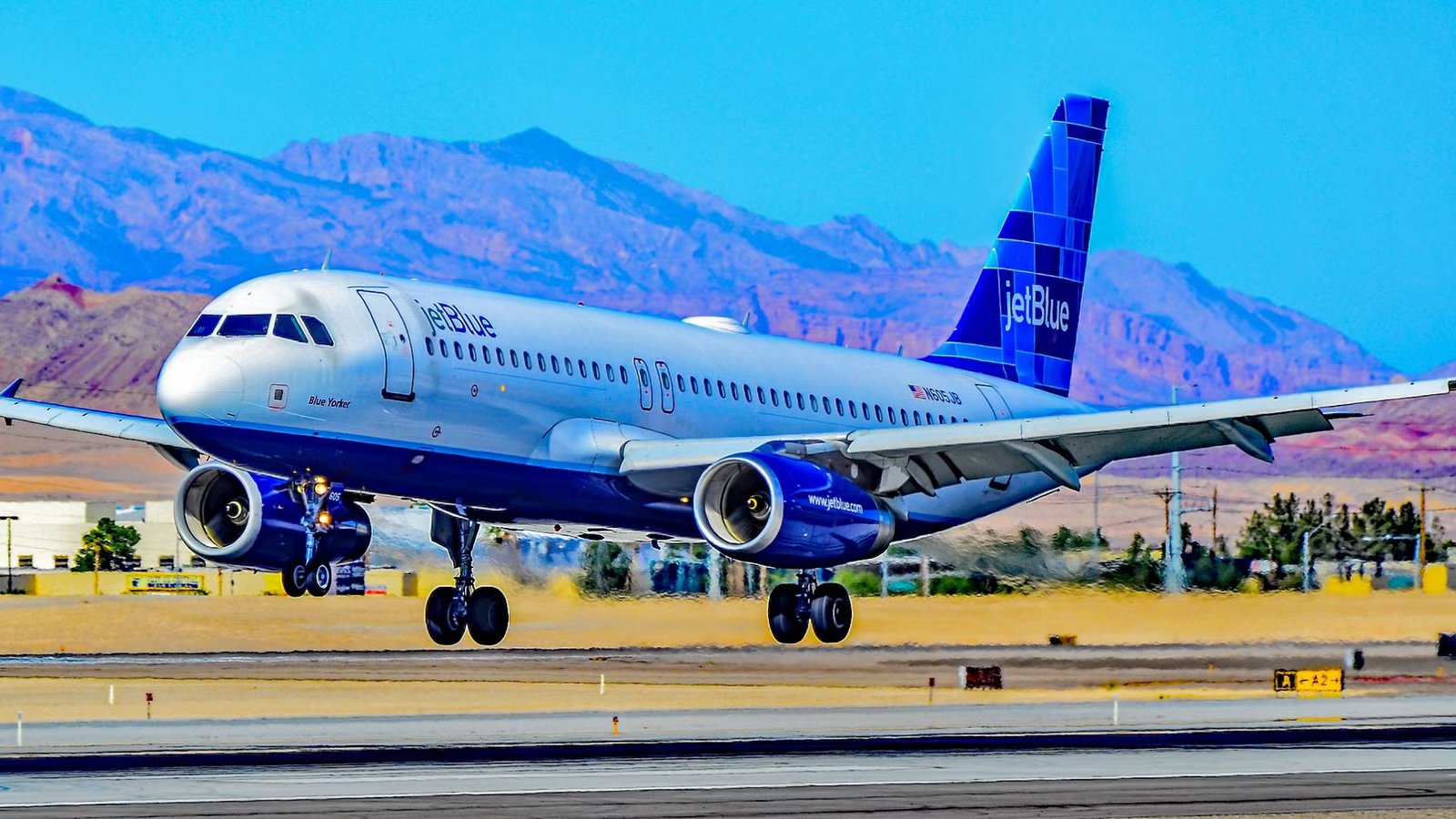
Passengers on a JetBlue-operated Airbus A320 have launched legal action after their aircraft unexpectedly descended during a routine passenger flight, an event they say caused injuries and lasting trauma. The incident took place in October 2025 on a flight traveling from  Cancun International Airport to
  Newark Liberty International Airport when the aircraft, N605JB, suddenly pitched downward while cruising, prompting an unscheduled diversion to Florida. Plaintiffs allege the movement occurred without pilot command and was linked to a malfunction within the aircraft’s flight-control computer. The lawsuit seeks damages from Airbus and other involved parties, citing negligence and product liability.
The Airbus A320 family forms the backbone of short and medium-haul air travel worldwide, carrying millions of passengers each day. Following the incident, technical guidance was issued across the global fleet, intensifying scrutiny of how automated systems behave under rare conditions.
Crucial Information & Key Details (Most Important Information)

Court filings allege that a flight-control computer responsible for managing pitch and roll behavior issued erroneous commands, causing the aircraft to briefly descend before the crew intervened. Flight data reviewed by investigators suggests the aircraft lost enough altitude in a short space of time to cause unsecured passengers and crew to be thrown from their seats. Medical evaluations later identified injuries among more than a dozen occupants, primarily soft-tissue injuries and joint trauma.
The Airbus A320 family is the most widely used commercial jet series in the world, with more than 11,000 aircraft delivered and tens of thousands of flights operated daily. Because of the aircraft’s prevalence, Airbus initiated precautionary measures affecting around 6000 jets globally, instructing airlines to implement software changes or system checks. Following the incident, Airbus said:
“We apologise for the inconvenience caused and will work closely with operators, while keeping safety as our number one and overriding priority.”
Additional Context & Relevant Insights

Airbus aircraft rely on fly-by-wire architecture, a design in which computers interpret pilot inputs and manage control surfaces electronically. While this technology has accumulated billions of safe flight hours, it also places heavy emphasis on software integrity and redundancy. Aviation safety analysts note that failures are rare but can be disorienting when they occur suddenly at altitude.
Statistically, modern single-aisle jets like the A320 have accident rates measured in fractions per million departures, making commercial air travel one of the safest modes of transportation. However, unexpected automated behavior, even when quickly corrected, often leads to regulatory review and manufacturer reassessment. Authorities are continuing to analyze whether environmental or system-interaction factors contributed to this specific event.
Airbus initially said the incident was probably caused by a software glitch initiated by intense solar radiation affecting the Elevator and Aileron Computer (ELAC). The lawsuit argues that warning signs should have prompted earlier action and that passengers were exposed to unnecessary risk.

Airbus Expects Disruptions As Thousands Of A320s Need Software Updates
Intense solar radiation potentially corrupts critical flight control data, prompting urgent action.

Since the incident, Airbus moved quickly to identify the affected systems and issue technical guidance to airlines operating the aircraft type. Carriers implemented software updates and system checks within a short timeframe, resulting in only limited, short-term scheduling disruptions. Industry observers and several airline operators praised Airbus for its rapid coordination and clear communication, noting that no long-term capacity reductions were required.
Aviation regulators did not ground the fleet, instead allowing aircraft to continue operating once the prescribed corrective actions were completed. Authorities have stated they are closely monitoring the situation and will review final investigative findings before determining whether any additional regulatory measures are necessary. The approach reflects confidence in both the corrective steps taken and the aircraft’s overall safety record.
Legal analysts say the lawsuit nonetheless underscores the evolving balance between automation and accountability in modern commercial aviation. As aircraft systems become increasingly software-driven, courts may be asked more frequently to evaluate how responsibility is shared between manufacturers, operators, and system designers. The outcome of this case could shape how future flight-control technologies are certified, documented, and communicated across the industry.