dailynewsnblog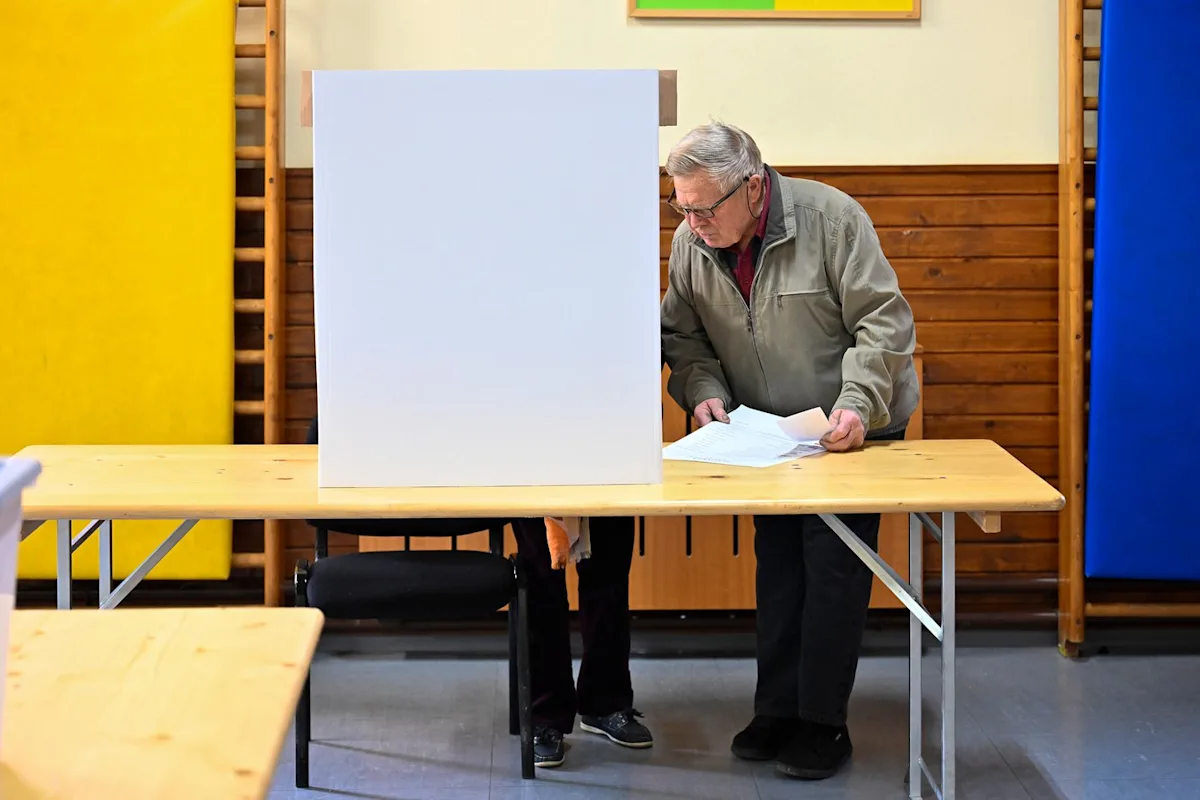
LJUBLJANA, Slovenia (AP) — Voters in Slovenia headed to the polls on Sunday in a highly contested parliamentary election that pits the governing liberals against right-wing populists in a vote that will decide whether the small European Union nation stays on its liberal course or sways toward the right.
The race is expected to be tight and follows a campaign rocked by allegations of foreign interference that stunned the traditionally moderate EU country.
The vote comes down to two main players: Prime Minister Robert Golob’s Freedom Movement and the right-wing Slovenian Democratic Party, or SDS, led by three-time premier Janez Jansa, a populist-style politician and an admirer of U.S. President Donald Trump.
Who wins will resonate wider in the 27-member EU bloc.
Golob’s government has been a strong liberal voice in the bloc while a victory of Jansa — also a close ally of nationalist Hungarian Prime Minister Viktor Orbán — would strengthen Europe’s surging populist groups.
“Although Slovenia is a small Balkan country, the elections taking place there could be seen as another sign of the rise of illiberal tendencies in Europe,” Helen Levy, a researcher at the Robert Schuman Foundation, wrote in an analysis last month.
Slovenian sociologist Samo Uhan told The Associated Press that “the biggest differences between the government and the opposition are reflected in their understanding of global developments.”
Slovenia’s top two parties have been running neck and neck in recent polls and analysts predict that no party would have a clear majority in the 90-member parliament, which would turn smaller parties into kingmakers.
The outcome “is completely uncertain, which is nothing unusual for Slovenia as the electorate has always been polarized,” Uhan said.
Further whipping up the divisions have been claims, first made by a group of activists and journalists, that a string of secret video recordings showing alleged, government-tied corruption, aimed to sway the voters.
The allegations further claimed Jansa’s party and a private, foreign agency were linked to the recordings, based on gathered intelligence. Jansa has acknowledged having contacts with a Black Cube adviser, but denied the allegations of election interference.
An investigation by authorities so far has said that representatives of the private Black Cube intelligence agency visited Slovenia four times in the past several months, including a street in the capital, Ljubljana, that hosts Jansa’s party headquarters.
Speaking to reporters at an EU summit in Brussels on Thursday, Golob urged an EU investigation.