dailynewsnblog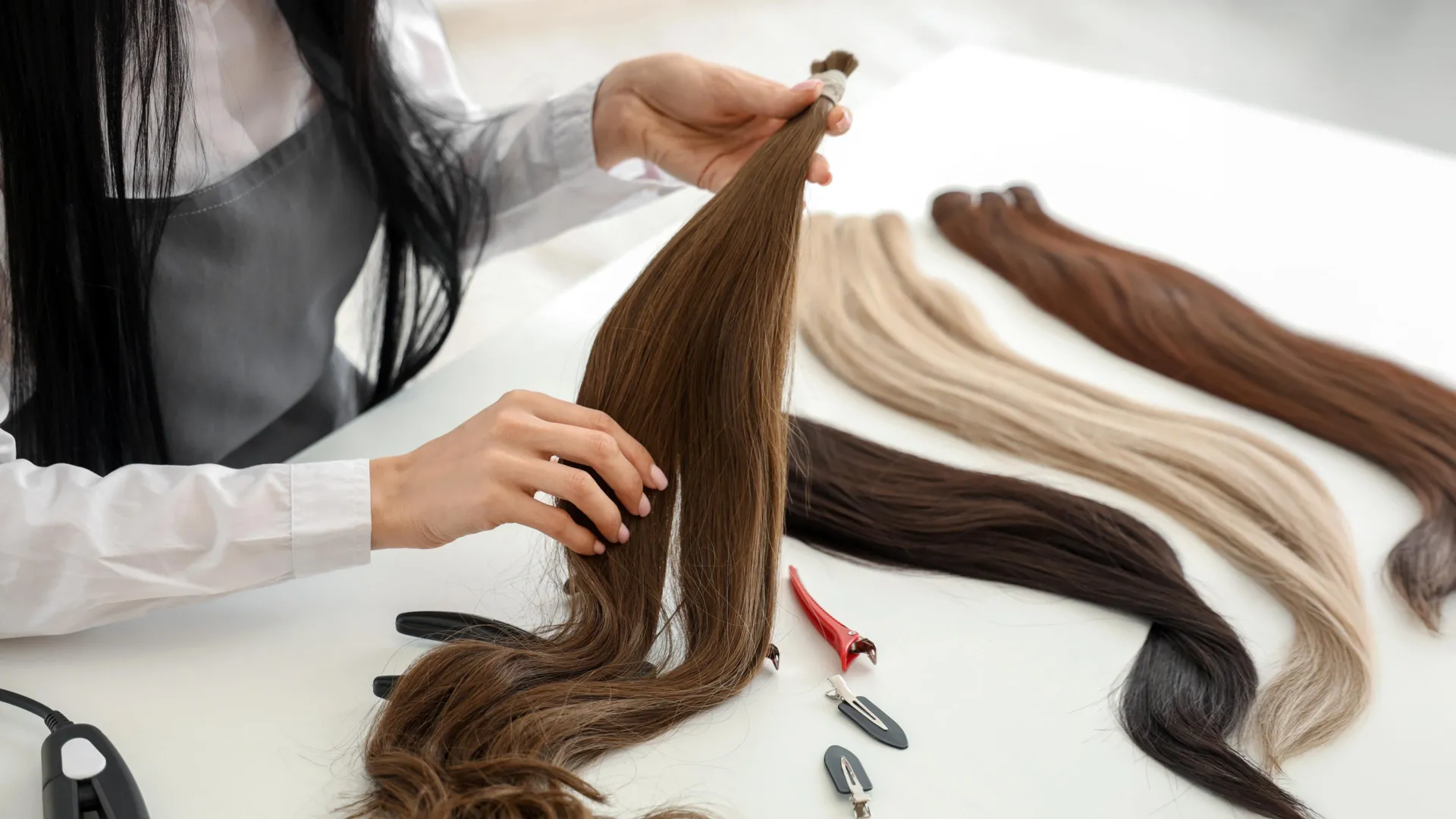
A sweeping new investigation by the Silent Spring Institute has found dozens of potentially harmful chemicals in widely sold hair extensions, including those made from human hair. The findings represent the most detailed chemical review so far of this largely unregulated beauty product category. Researchers say the results add strong evidence that hair extensions may pose health risks, particularly for black women, who use these products at much higher rates.
The study was published in the American Chemical Society journal Environment & Health and comes at a time of growing concern about the long term health effects of hair extensions. More than 70 percent of black women report wearing hair extensions at least once in the past year, compared with fewer than 10 percent of women from other racial and ethnic groups. Extensions are often worn for cultural expression, personal style, and convenience.
“While prior reports have found some chemicals of concern in hair extensions, there’s still much we don’t know about their overall chemical makeup. We wanted to get a better picture of the extent of the problem,” says lead author Dr. Elissia Franklin, a research scientist at Silent Spring Institute. “This is an industry that has long overlooked the health of black women, who should not have to choose between cultural expression, convenience, and their health.”
Chemical Treatments and Limited Ingredient Disclosure
Hair extensions are produced from synthetic fibers or bio-based materials, including human hair. Manufacturers frequently treat these fibers with chemicals to make them flame resistant, waterproof, or antimicrobial.
“Yet, companies rarely disclose the chemicals used to achieve these properties, leaving consumers in the dark about the health risks from prolonged wear,” says Franklin. Because the fibers rest directly against the scalp and neck, wearers may experience extended skin contact. When extensions are heated during styling, they can also release chemicals into the air that users may inhale.
How 43 Hair Extension Products Were Tested
To better understand what these products contain, Franklin purchased 43 popular hair extension brands from online retailers and local beauty supply stores. The team grouped the products by fiber type, synthetic (mostly plastic polymers) or bio-based (including human, banana or silk), and documented the claims listed on their packaging. Among the synthetic products, 19 claimed to be flame retardant, three were labeled water resistant, nine advertised heat resistance, and three promoted “green” claims such as “no PVC” or “non-toxic.”
Researchers then applied a method known as non-targeted analysis to search for a broad array of chemicals, including substances not typically screened in consumer goods. Using two-dimensional gas chromatography with high-resolution mass spectrometry, they detected more than 900 chemical signatures, representing both known and previously unidentified compounds. Machine-learning tools compared those signatures with an extensive chemical database, allowing the team to identify 169 chemicals spanning nine major structural classes.
Cancer Linked and Hormone Disrupting Substances Found
The testing uncovered numerous substances associated with cancer, hormone disruption, developmental harm, and immune system effects. These included flame retardants, phthalates, pesticides, styrene, tetrachloroethane, and organotins.
Key findings include:
- All but two of the 43 samples contained hazardous chemicals. The only two without detected hazards were labeled as “non-toxic” or “toxic-free.”
- A total of 48 identified chemicals appear on major hazard lists, including 12 listed under California’s Proposition 65 for causing cancer, birth defects, or reproductive harm.
- Four different flame retardants were detected in both synthetic and bio-based products.
- Seventeen chemicals connected to breast cancer were found in 36 samples, including compounds known to disrupt hormones in ways that may increase risk.
- Nearly 10 percent of products contained toxic organotins, in some cases at levels exceeding health-based limits set in the European Union, where these chemicals are regulated.
“We were especially surprised to find organotins,” says Franklin. “These are commonly used as heat stabilizers in PVC and have been linked with skin irritation, which is a common complaint among hair extension users.” Organotins have also been linked with cancer and hormone disruption.
Growing Calls for Stronger Regulation
The global hair extension market is projected to surpass $14 billion by 2028, with the United States leading in global imports. Given the size of the market and the chemicals detected, Franklin argues that more oversight is needed. “These findings make clear that stronger oversight is urgently needed to protect consumers and push companies to invest in making safer products,” she says.
Many of the detected substances are included under Proposition 65, suggesting that hair extensions may warrant clearer warnings and closer regulatory scrutiny.
Efforts to change policy are gaining traction. In New York, lawmakers have introduced legislation that would require manufacturers of synthetic braids and hair extensions to disclose all ingredients. In New Jersey, a bill moving through the legislature would prohibit certain harmful chemicals in synthetic hair products.
At the national level, the Safer Beauty Bill Package, introduced in Congress last year, contains provisions that would direct the Food and Drug Administration to regulate the safety of synthetic braids and hair extensions.
Funding for this project was provided by a Beauty Justice Grant from the Environmental Defense Fund and charitable donations to Silent Spring Institute, including the Institute’s Safer Chemicals Program.