dailynewsnblog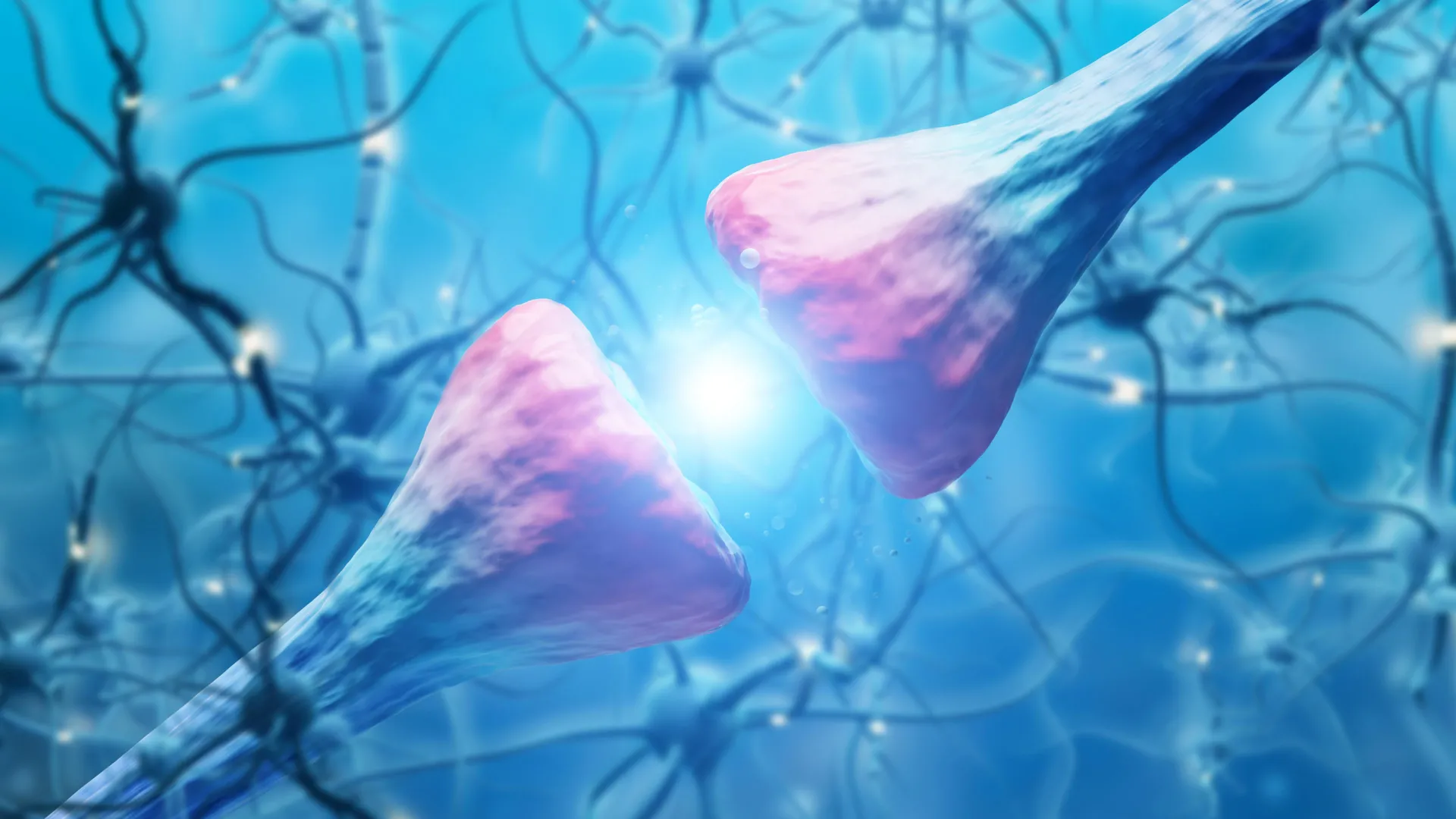
Relapsing into cocaine use is not simply a matter of weak willpower. New research shows it can result from lasting biological changes in the brain. Scientists have found that cocaine use alters brain circuits in ways that can make the urge to return to the drug extremely difficult to resist.
Researchers at Michigan State University discovered that cocaine changes how the hippocampus works. This brain region plays a key role in memory and learning. Their study, supported by the National Institutes of Health and published in Science Advances, helps explain why cocaine addiction is so difficult to treat and points toward potential new medications that could help.
“Addiction is a disease in the same sense as cancer,” said senior author A.J. Robison, a professor of neuroscience and physiology. “We need to find better treatments and help people who are addicted in the same sense that we need to find cures for cancer.”
Why Cocaine Is So Hard to Quit
Cocaine addiction affects at least one million people across the United States, yet there is currently no FDA approved medication specifically designed to treat it. Unlike opioids, stopping cocaine use does not usually produce severe physical withdrawal symptoms. Even so, quitting remains extremely challenging.
The reason lies in how cocaine affects the brain. The drug floods reward centers with dopamine, a chemical linked to pleasure and motivation. This surge creates powerful positive reinforcement, causing the brain to interpret cocaine use as beneficial rather than harmful.
Even when someone manages to stop using cocaine, relapse rates remain high. Roughly 24% of people return to weekly cocaine use, and another 18% enroll in treatment again within a year.
The Protein That Drives Cocaine Cravings
Andrew Eagle, the study’s lead author and a former postdoctoral researcher in Robison’s lab, identified a crucial factor behind this persistent drive. The molecule is a protein called DeltaFosB.
To investigate its role, Eagle used a specialized form of CRISPR technology to study how DeltaFosB influences specific brain circuits when mice were exposed to cocaine.
Experiments with mouse models revealed that DeltaFosB functions like a genetic switch. It activates or suppresses genes within the circuit connecting the brain’s reward center and the hippocampus, which serves as the brain’s memory hub. With continued cocaine use, the protein accumulates in this circuit. As its levels rise, it changes how neurons behave and alters the circuit’s response to the drug.
“This protein isn’t just associated with these changes, it is necessary for them,” Eagle said. “Without it, cocaine does not produce the same changes in brain activity or the same strong drive to seek out the drug.”
Genes That Intensify Cocaine Seeking
The researchers also identified additional genes regulated by DeltaFosB after long term cocaine exposure. One of these genes is calreticulin, which helps control how neurons communicate with each other.
Their experiments showed that calreticulin increases activity in brain pathways that push individuals to keep seeking cocaine, effectively accelerating the brain processes that reinforce addiction.
A Potential Target for Future Treatments
Although the study was conducted in mice, the results may apply to humans because many of the same genes and neural circuits are shared across species.
Robison’s team is now collaborating with researchers at the University of Texas Medical Branch in Galveston, Texas, to develop compounds that specifically target DeltaFosB. The project is supported by a grant from the National Institute of Drug Abuse and focuses on creating and testing molecules that can control how DeltaFosB binds to DNA.
“If we could find the right kind of compound that works in the right way, that could potentially be a treatment for cocaine addiction,” Robison said. “That’s years away, but that’s the long-term goal.”
Future Research on Sex Differences in Addiction
The next phase of research will examine how hormones influence these brain circuits. The team also plans to investigate whether cocaine affects male and female brains differently.
Understanding these differences could shed light on why addiction risks sometimes vary between men and women and may help guide more personalized approaches to treatment.