dailynewsnblog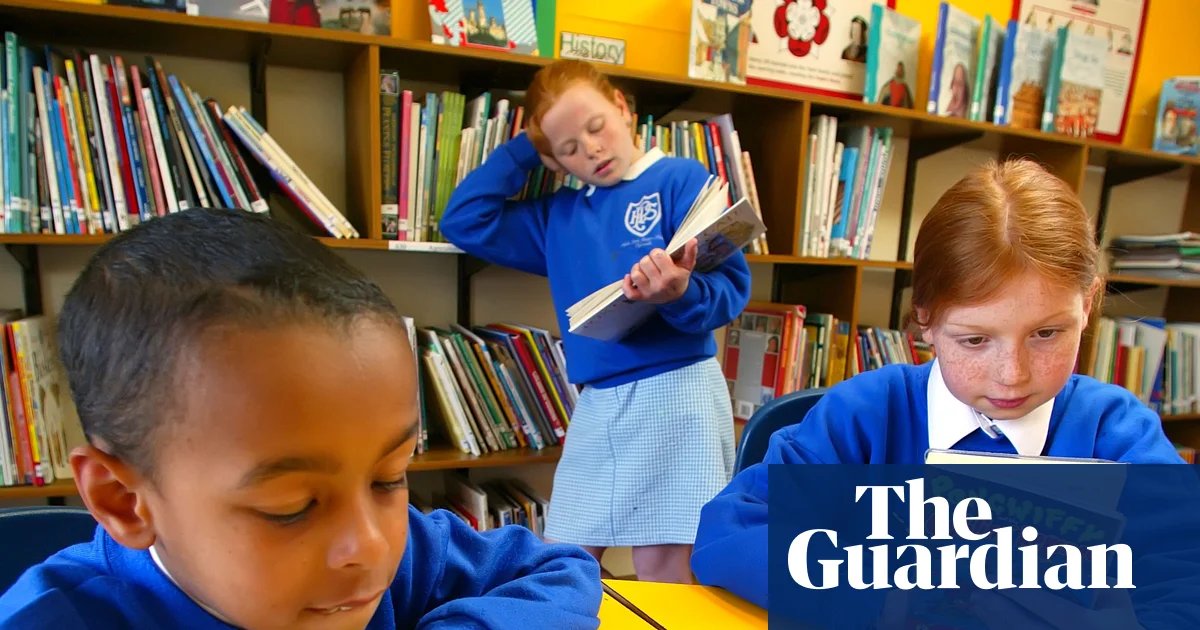
Schools in England are moving away from pupils dressing up as their favourite literary characters for World Book Day, with experts telling MPs they feared the cost of costumes undermined efforts to increase reading for pleasure.
Jonathan Douglas, the chief executive of the National Literacy Trust, said schools were aware of the strains that preparing costumes could place on disadvantaged families, telling MPs on the Commons’ education select committee: “Many schools are incredibly sensitive to that, and are taking away the narrative around dressing-up on World Book Day.”
This year’s World Book Day in the UK and Ireland is on Thursday, with many primary schools encouraging children to take part. But Douglas warned that activities such as dressing-up should not detract from the promotion of reading.
“The whole point of this is that reading for pleasure is a driver of social mobility. Children’s reading for pleasure by the age of 15 is more strongly determinative of their ultimate attainment than their socio-economic background. Therefore anything that takes away from it, as not simply a driver of social mobility but actually an anti-poverty strategy, is undermining the power of reading for pleasure,” Douglas said.
Helen Hayes, the committee’s chair, said World Book Day was “a wonderful national moment” but the dressing up element favoured “families who have greater resources than others, in their ability to source a costume”.
Annie Crombie, co-chief executive of BookTrust, the children’s reading charity, told Hayes: “We see that a lot [of schools] are introducing costume swaps or making items to dress up with in art lessons, so there are ways around it. But it is incredibly important because otherwise it risks exacerbating the factors we know, around stresses on home life, getting in the way of reading being embedded in the first place.”
The World Book Day charity said: “We want to make sure that all children, regardless of household income, can take part in World Book Day and be encouraged to read for pleasure. We suggest lots of ways to make sure World Book Day celebrations are inclusive, no-cost and fun for everyone.”
The MPs’ session on the reading for pleasure crisis came after the National Literacy Trust found that the proportion of young people who enjoy reading was at its lowest level for 20 years.
Onyinye Iwu, a teacher and children’s author, told the MPs that she saw many students struggle to read for pleasure in the early years of secondary school.
“A lot of communities don’t encourage children to read for pleasure, they focus on textbooks – you have to study for your exams, you don’t have to read for pleasure because that’s not going to get you a job. And coming from a migrant background, that’s the thing you consistently hear. It’s something that needs to change intrinsically, in families and in schools,” she said.
Iwu asked her students why they didn’t often read for pleasure: “A lot of them were like: ‘But Miss, we’ve got TikTok, what’s the point?’ And that is it, you’ve got TikTok, you’ve got Netflix, you’ve got the film coming out, so why would you read the book?”