dailynewsnblog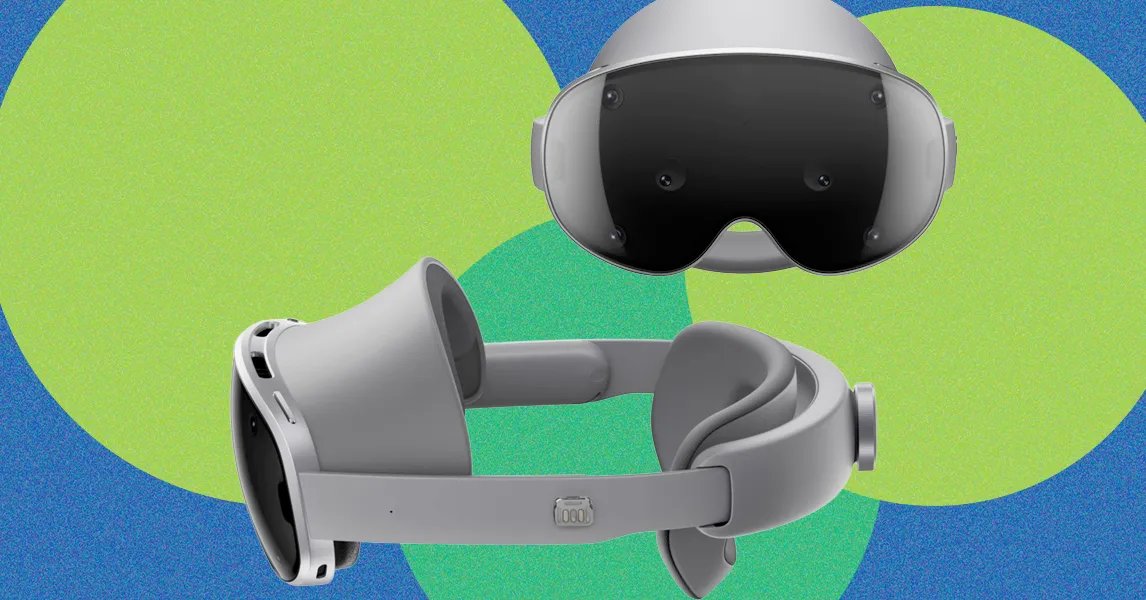
I have had the new M5-powered Apple Vision Pro and Samsung Galaxy XR headsets sitting on my desk for several weeks. These are expensive, cutting-edge pieces of hardware. Apple’s version is $3,499! Samsung’s headset is roughly half that—still a pretty penny at $1,800. Mustering the energy to don them has been a task.
You can watch movies, play immersive games, and get some work done with multiple virtual screens. None of these experiences has been so compelling that I want to wear a headset on my face for more than an hour. Still, I gave it the ol’ college try, and my takeaway is that Google and Samsung have more work ahead of them to improve the Android XR experience; I’ve also had a strange and newfound appreciation for the quality of Apple’s mixed reality headset.

Photograph: Julian Chokkattu
Finding Comfort
I purchased the Galaxy XR from Samsung’s website, and the company offers a handy link to EyeBuyDirect, where you can buy prescription Kodak magnetic inserts for $100 so you can use the headset without glasses. The process was seamless, though long shipping times meant my inserts arrived weeks before the XR.
While I appreciate how much more lightweight the Galaxy XR is compared to the Vision Pro, I constantly struggled to find a comfortable fit. You put the headset on and turn a knob at the back to tighten the band around your head, but there’s often a good amount of pressure resting on your forehead, which also gets warm when the audible fans kick in; it’s near impossible not to have a sweaty brow after a bout in XR. Two magnetic light shields in the box do a decent job of blocking ambient light from filtering into your virtual reality, but they’re not perfect, as I still encountered some slight light bleed.