dailynewsnblog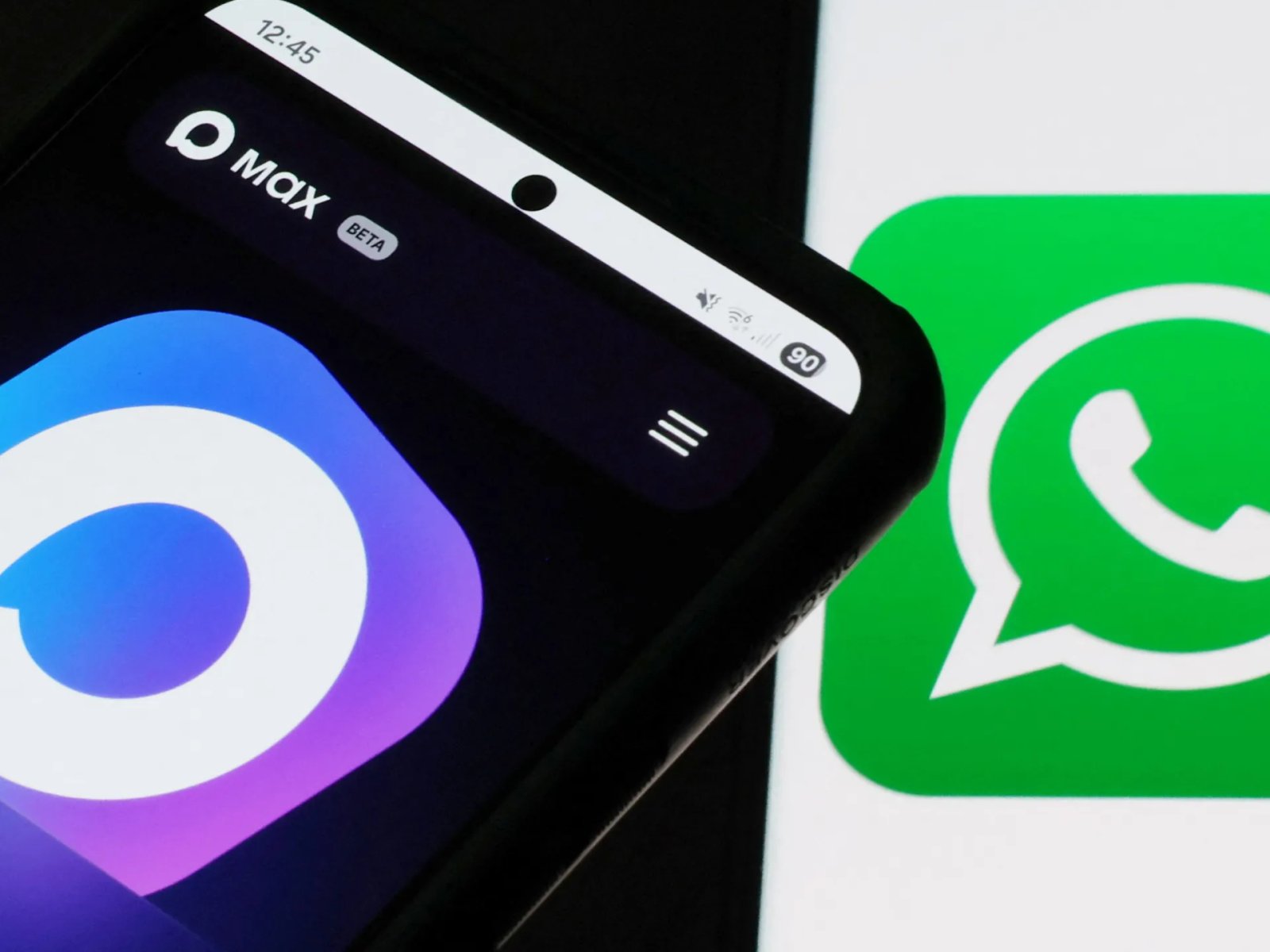
Rights campaigners say restrictions on messaging apps are a transparent attempt to ramp up control and surveillance.

Published On 12 Feb 2026
Russia has blocked messaging service WhatsApp over alleged legal breaches, urging users to switch to a state-backed alternative in what is widely seen as a bid to clamp down on free speech amid the war in Ukraine.
Kremlin spokesperson Dmitry Peskov announced the move on Thursday, attributing it to WhatsApp’s “reluctance to comply with the norms and letter of Russian law”.
Recommended Stories
list of 3 itemsend of list
He advised Russians to turn instead to MAX, a state-sponsored platform touted as a one-stop shop for messaging, online government services and other services like making payments.
Experts warn that MAX, which openly declares it will share user data with authorities upon request, does not use the end-to-end encryption that ensures messages remain private on popular services like WhatsApp, leaving users vulnerable to state snooping.
Last year, Russia began limiting some calls on WhatsApp, owned by US social media giant Meta, and on Telegram, accusing the foreign-owned platforms of refusing to share information with law enforcement in fraud and “terrorism” cases.
But rights campaigners like Amnesty, which this week hit out at the Kremlin’s continued limits on Telegram, say restrictions on messaging apps are a transparent attempt to ramp up control and surveillance.
“As usual, Russian authorities are resorting to the bluntest instrument in their digital repression toolbox: censorship and obstruction under the guise of protecting people’s rights and interests,” said the group in a statement on Tuesday.
A WhatsApp spokesperson said on Wednesday that the company was doing “everything we can” to keep users connected.
“Trying to isolate over 100 million people from private and secure communication is a backwards step and can only lead to less safety for people in Russia,” said the spokesperson.
Since December, many Russians have only been able to access WhatsApp through a virtual private network (VPN), according to the Reuters news agency.
Earlier this week, state communications regulator Roskomnadzor said it would introduce new restrictions on Telegram, widely used by Russian troops fighting in Ukraine, after accusing it of refusing to abide by the law.
Beyond the clampdown on messaging apps, Russia’s government has also blocked social media like Twitter, Facebook and Instagram while ramping up restrictions on services like YouTube.
In December, it imposed restrictions on Apple’s video calling service FaceTime.