dailynewsnblog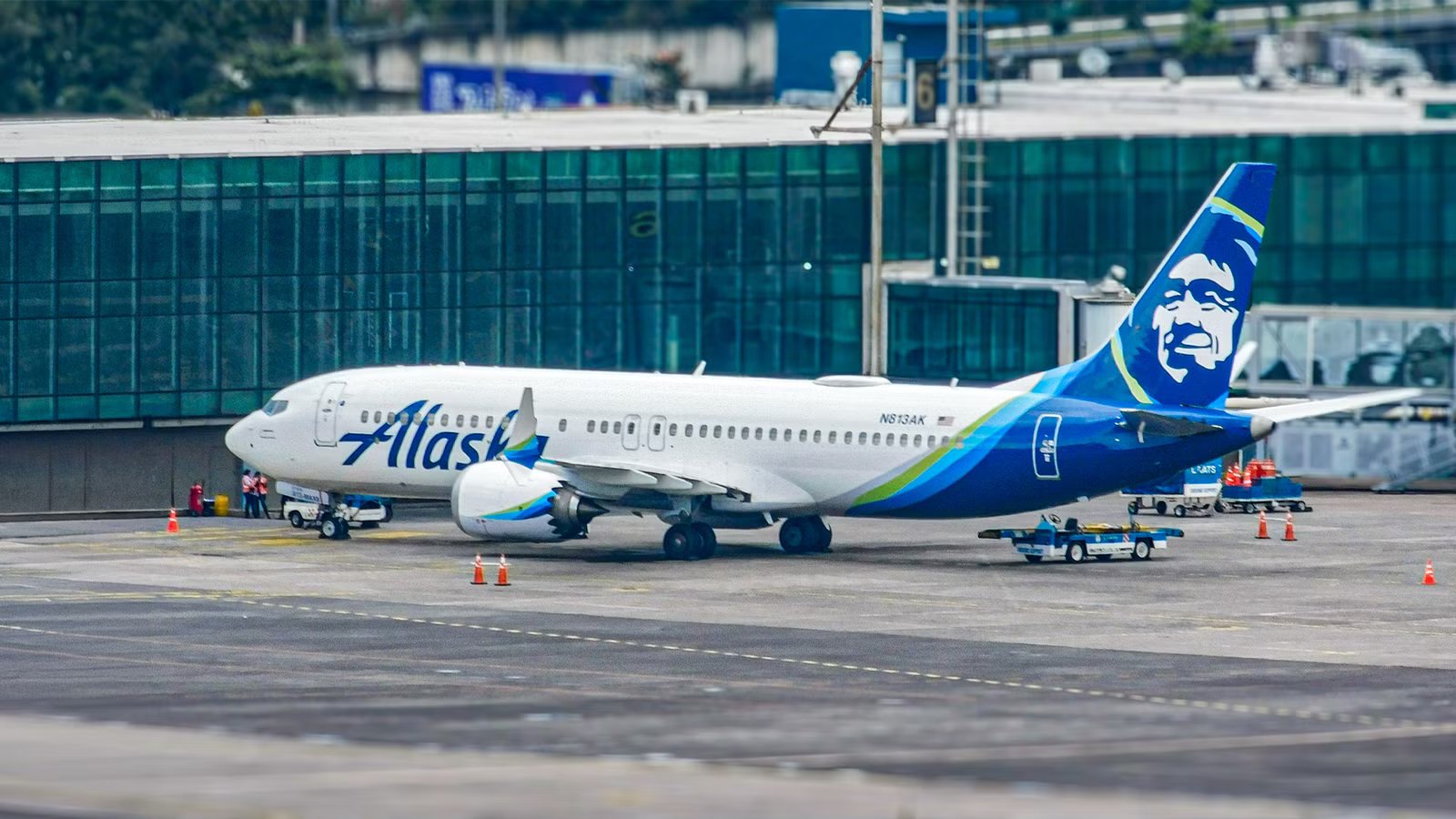
An unexpected last-minute downgrade on an  Alaska Airlines international flight has sparked fresh discussion about the gap between airline operations and passenger expectations. A traveler holding a confirmed First Class ticket was reassigned to an alternative cabin class shortly before departure on a long-haul route, a move that came with little explanation and no meaningful opportunity to make alternate travel arrangements. For a premium passenger, the sudden change transformed what was expected to be a comfortable international journey into a markedly different experience.
While airlines manage a tricky and endless web of scheduling, staffing, and regulatory obligations that most travelers never see, those internal decisions can occasionally surface in ways that directly affect customers. When they do, particularly in premium cabins, the impact can feel outsized. This incident offers a closer look at how behind-the-scenes policies, rarely disclosed during booking, can collide with assumptions about what a first class ticket guarantees, raising broader questions about transparency, communication, and customer trust.
Simple Flying reached out to Alaska Airlines for comment, but a representative was not immediately available.
The Incident: A Paid First Class Passenger Downgraded

The incident occurred on an Alaska Airlines flight from Liberia, Costa Rica, to  Seattle-Tacoma International Airport, where the passenger had purchased a confirmed, full-fare first class ticket, not an upgrade, mileage redemption, or complimentary seat. Despite holding a valid premium reservation, the passenger was informed at the gate shortly before boarding that they would be downgraded. Because of the timing, there was no realistic opportunity to rebook onto another flight or seek an alternative first class option.
Importantly, the downgrade was not caused by an aircraft swap, mechanical issue, or safety-related disruption. The aircraft operated as scheduled, and the first class cabin remained and was configured exactly as sold. The downgrade was due to an Alaska Airlines pilot deadheading on the flight, requiring the passenger to relinquish their first class seat. Instead of being moved to another intermediate product, the passenger was reassigned directly to standard economy seating, representing a sharp drop in the level of comfort and service originally purchased.
On an approximately eight-hour international flight, this downgrade translated into a substantial loss of legroom, seat width, meal service, and overall comfort. Beyond the physical downgrade, the last-minute nature of the decision significantly compounded the impact, leaving the passenger feeling shocked, frustrated, and effectively powerless to contest or mitigate the situation. What might have been a manageable inconvenience earlier in the process became a deeply negative experience due to the timing and lack of alternatives.
What Is A Deadheading Pilot And Why Airlines Use Them

Deadheading pilots are airline crew members who travel as passengers to reposition for future flight assignments or sometimes to return home, even though they are not operating the aircraft on that specific segment. For example, pilots may be flown from Seattle to Costa Rica so they can operate an early-morning return flight the next day, or repositioned to base after finishing a prior assignment. Although they appear to be ordinary passengers, deadheading pilots are still considered on duty under airline and federal regulations.
Airlines rely on deadheading to keep aircraft and crews in the right place at the right time, particularly after schedule disruptions caused by weather, delays, or staffing shortages. In some cases, replacement pilots are flown in to cover for a sick or delayed crew, preventing a cancellation that could strand hundreds of passengers. On long segments, the seating provided for deadheading pilots becomes more significant, as adequate rest during repositioning may be required for them to legally and safely operate a subsequent flight.
While deadheading itself is a standard industry practice, the rules governing seating priority for deadheading pilots vary widely by airline and labor contract. Some carriers place crew in any available seat, while others mandate premium cabin seating on longer flights. These contractual requirements are typically invisible to passengers, yet they can directly affect travelers when premium cabins are full, creating tension between operational needs and customer expectations.

A First Look Inside Alaska Airlines’ Massive New $200M Training Campus In Renton
Pilots, flight attendants and ground staff will all train under one roof.
Alaska Airlines’ Pilot Contract And Seat Priority Rules

At Alaska Airlines, pilot seating during deadhead travel is governed by the company’s collective bargaining agreement with its pilots, rather than a discretionary customer service policy. On longer flight segments, the contract reportedly requires deadheading pilots to be seated in first class when available, reflecting fatigue-management and rest considerations tied to their upcoming duties. These provisions are binding on the airline, even when the first class cabin is fully sold.
When first class seats are not readily available, the agreement allows Alaska Airlines to displace a revenue passenger to accommodate the deadheading crew. This means a customer with a confirmed, paid first class ticket can be downgraded, not because of an aircraft change or safety issue, but to comply with contractual obligations. While legal and enforceable, this practice is relatively uncommon and largely unknown to most passengers.
Critically, and possibly the biggest issue in this debate, is that these rules are not disclosed explicitly during the booking process, leaving customers unaware that their premium seat could be revoked at the last minute for operational reasons. As a result, what the airline views as routine contract compliance can feel to passengers like a breach of trust, particularly when it affects long-haul flights and high-value tickets.
Why The Downgrade Felt Rude To Many Passengers

For many passengers, purchasing a first class ticket, or any ticket on a flight, comes with a reasonable expectation of certainty that once the seat is confirmed and paid for, it will not be taken away absent a genuine safety or operational emergency. Being downgraded to accommodate crew repositioning feels fundamentally different from disruptions caused by aircraft swaps or mechanical issues, which most travelers accept as unavoidable.
The optics of the situation also matter. Removing a paying customer from first class so that airline employees can occupy the seats creates a perception that crew comfort is being prioritized over customer value, especially on a long international flight. That perception is intensified when the displaced passenger is moved not to premium class, but to standard economy, signaling a sharp and uncompensated drop in service level.
Finally, the lack of a warning or meaningful explanation amplified frustration. Because the policy is not disclosed at booking and the downgrade occurred at the gate, the passenger had no opportunity to make an informed choice or seek alternatives, risking missing their flight with no alternative if they did. In the court of public opinion, that combination of surprise, inconvenience, and perceived unfairness is why many observers characterized the incident as rude rather than merely procedural.

$518,000 A Day: How the Hawaiian Merger Drained Alaska Airlines’ 2025 Profits
Alaska’s 2025 profits slid as its Hawaiian merger added significant daily losses.
Service Recovery And Compensation Shortcomings

The situation was further aggravated by what many viewed as inadequate service recovery once the downgrade occurred. Despite losing a paid first class seat, the passenger reportedly received minimal onboard service in economy, including limited food options and no substitute for the pre-selected first class meal. On a long international flight, the absence of even basic compensatory gestures contributed to the sense that the downgrade was handled mechanically rather than empathetically.
Compensation also appeared unclear or insufficient at the time of travel. While airlines typically refund the fare difference for involuntary downgrades, there was no indication of immediate reimbursement, travel credit, or goodwill miles offered onboard to acknowledge the disruption. For a premium customer, the lack of prompt and transparent compensation can feel dismissive, particularly when the downgrade was imposed at the last minute.
Ultimately, weak service recovery turned a contractual obligation into a public-facing customer service failure. Even when airlines are technically within their rights, how they respond matters. A more proactive approach, clear communication, tangible compensation, and sincere acknowledgment could have softened the impact. Instead, the handling of the situation reinforced perceptions that the passenger experience was a secondary consideration.
The Bigger Picture: Labor Contracts Vs Customer Expectations

At the heart of the incident is the battle between labor contracts, safety requirements, and customer expectations. Airlines must comply with pilot agreements and federal fatigue-management rules designed to ensure crews are sufficiently rested to operate flights safely. From the airline’s perspective, providing appropriate seating for deadheading pilots on long segments is not merely a comfort issue, but part of a broader system intended to reduce fatigue and maintain operational safety.
At the same time, premium passengers reasonably expect that a paid first class seat represents a firm commitment, not a conditional one. When internal operational rules override that expectation without transparency, it undermines trust in the airline’s premium product. The lack of disclosure about such policies leaves customers unaware that their seat could be revoked for reasons unrelated to safety or aircraft limitations.
The incident raises broader questions for the industry about how to better balance these competing priorities. Airlines may need to explore clearer disclosures, stronger guarantees for premium customers, or alternative solutions, such as blocking seats for crew in advance or offering automatic, generous compensation when downgrades occur. Without such measures, conflicts between pilot fatigue management and passenger expectations are likely to continue, with reputational consequences for carriers involved.