dailynewsnblog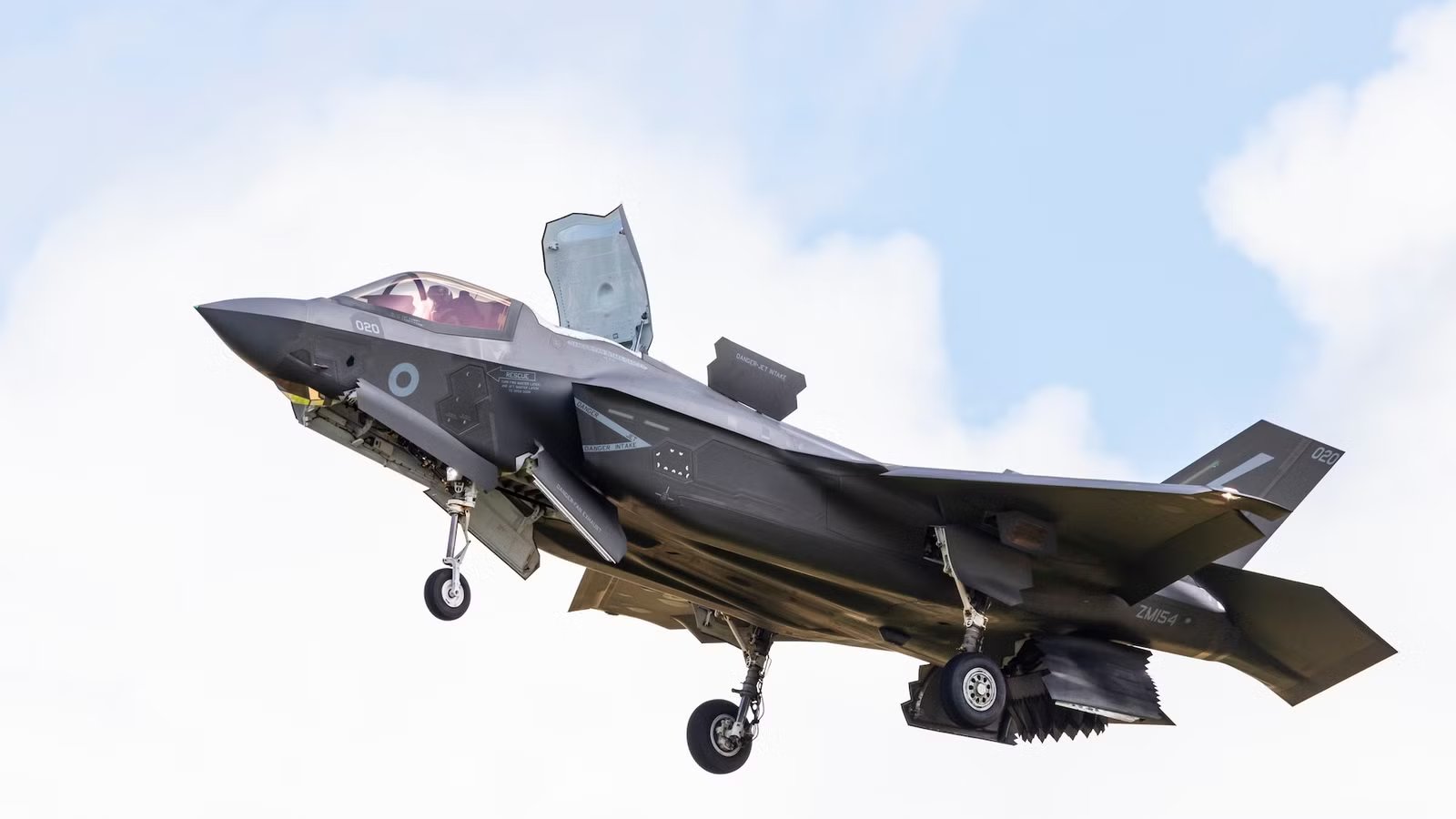
The Royal Air Force has recorded a milestone for its F-35B Lightning II force. The United Kingdom has confirmed that the stealth fighters have achieved their first operational combat kill by shooting down hostile uncrewed aerial systems over Jordanian airspace. The engagement was part of a wider defensive effort across the Middle East as Iranian drone and missile activity drives heightened alert levels for regional partners and deployed forces of all kinds.
For the United Kingdom, this shootdown is both symbolic and highlights practical operational capabilities. It serves as proof that the RAF’s newest front-line fighter is now being used not just for deterrence and strike efforts, but rather for real-world air defense in a crowded and high-threat environment. All of this fits within the broader context of the UK’s involvement in the current security crisis in the Middle East.
How Did The Shootdown Occur?

According to the United Kingdom’s Ministry of Defense, Royal Air Force F-35B fighter jets operating over Jordan intercepted and destroyed drones, supported by RAF Typhoon fighters and a Voyager tanker, marking the first time that a British F-35 has taken out a target on operations of any kind.
The Ministry of Defense framed the mission as a defensive activity meant to protect partners and British interests. The announcement came amid a spate of interceptions. Reporting from Business Insider indicated that a Royal Air Force Typhoon flying from Qatar with the joint UK-Qatar squadron also shot down an Iranian attack drone headed toward Qatar, all while UK counter-drone teams engaged several threats in Iraqi airspace. In parallel, Britain has said that it would bolster protection of its facility in Cyprus at Akrotiri by deploying the Type 45 destroyer HMS Dragon and helicopters with counter-drone capabilities.
The Broader Context Paints A Serious Picture

The shootdowns come as fighting around Iran slowly spills across the region and turns airspace into a contested drone corridor. Analysis from many outlets has indicated that US and Israeli strikes on Iranian targets triggered Iranian retaliation using missiles and waves of drones aimed at regional states and coalition facilities. That retaliation has forced partners such as Jordan and Qatar to tighten air-defense postures and has pushed Western militaries into a largely defensive mission set.
The jet has proven capable of detecting, tracking, and neutralizing small, low-flying threats before they reach British bases, infrastructure, or population centers. This is exactly the key capability that the United Kingdom sought out when it looked to invest in a next-generation fighter like the F-35 Lightning II.
The risk is not theoretical for the United Kingdom, which is remaining heavily vigilant over concerns of a suspected drone strike on RAF Akrotiri in Cyprus, underlining that even nearby military hubs could be targeted by an increasingly aggressive Iran. In that environment, each interception is also about preventing escalation, all because a single impact can create political shockwaves and invite a military response. It also strains inventories as expensive interceptors are repeatedly fired.

The F-35’s Role In Multinational Air Defense Alliances
The F-35 is set to play a central role in air defense of both the United States and its allies for decades to come.
What Are The Implications For The Royal Air Force?

The F-35B’s first operational kill is public proof that the Lightning is now part of Britain’s day-to-day air-defense toolkit, not only a strike and carrier-power asset. The reported package, which includes F-35s supported by Typhoons and a Voyager tanker, highlights the RAF’s emphasis on systems’ employment, stealth sensors, and networked targeting paired with persistent refueling and weaponry.
From an operational perspective, it will also sharpen tactics for detecting small targets, reducing conflict in busy airspace, and rapid sortie generation cycles. It also exposes the counter-drone dilemma, as it uses high-end fighters and costly air-to-air missiles to defeat cheap one-way drones.
Analysts expect increased focus on layered defenses around key hubs, especially the UK’s bases in Cyprus. Tighter integration with host-nation air defenses and more investment in cheaper defeat mechanisms, such as electronic warfare, ground-based air defense, and directed-energy concepts, all so that the RAF can save premium missiles for higher-end threats.