dailynewsnblog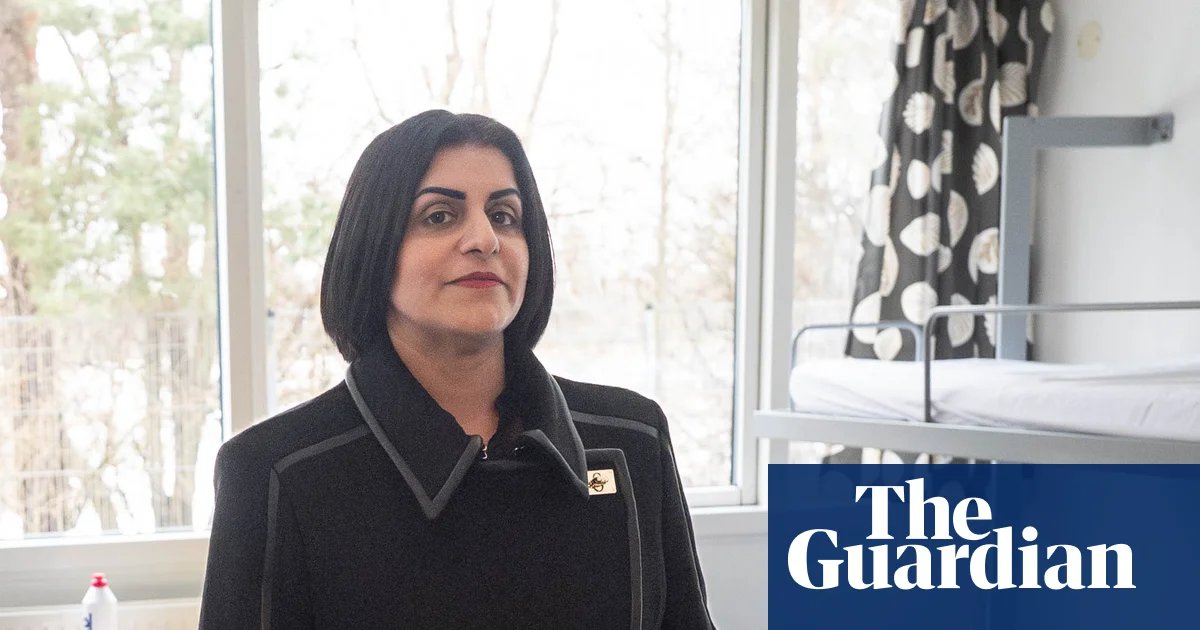
Shabana Mahmood has ripped up the government’s asylum rules so that from Monday every refugee will be told that their status is temporary and will last just 30 months.
In a move that has concerned a refugee charity, the home secretary said that claimants whose countries are deemed to be safe by the UK government will from now on be expected to return.
The announcement comes despite pleas from some Labour MPs, peers and affiliated unions this weekend for Keir Starmer’s government to shift towards progressive policies after the party came third in Thursday’s Gorton and Denton byelection.
The changes include plans to double to 10 years the amount of time some foreign nationals must wait before they can settle in the UK.
In an interview with the Guardian, Mahmood called for Labour MPs to get behind immigration reforms or risk a Nigel Farage-led government deporting refugees “to certain death”.
She has insisted that far from being unpopular with traditional Labour voters, her policies recognise the concerns of people who feel resentment because “public services are under pressure”.
Under Monday’s changes, adults and accompanied children claiming asylum will receive a 30-month period of protection if it is granted.
At a 30-month review refugees with a continuing need of sanctuary will have their protection renewed, while those whose countries are now deemed safe will be expected to return home.
The new rules will not apply retrospectively to anyone who has applied before Monday.
Under the previous system refugees were granted five years of protection and allowed to bring their families, followed by possible permanent settlement.
Just over 100,000 people claimed asylum in 2025, 4% less than the previous year. Half of asylum seekers arrived through unauthorised entry routes, such as small boats.
The change follows Mahmood’s visit last week to Denmark, which introduced a similar approach in recent years.
The Danish government has reduced asylum claims by more than 90% in a decade, but has been accused of breaching the human rights of refugees.
The left-leaning Social Democrats, which have been in power in Copenhagen since 2019, have seen off an insurgent populist party after adopting a hardline stance.
Mahmood said: “We must ensure our asylum system is not creating pull factors that draw people on dangerous journeys across the world.
“Genuine refugees will find safety in Britain, but we must also reduce the incentives that draw people here at such scale, including those without a legitimate need for protection. So, once a refugee’s home is safe and they are able to return, they will be expected to do so.”
She told the Guardian that the Home Office already has the capacity and the resources to conduct the extra checks on refugee claims every year.
“We have got the resources and the administrative capacity and I’m confident they can be done, and will be based upon the safety of the country that they should return to,” she said.
Imran Hussain, the director of external affairs at the Refugee Council, said the change will stop people who have survived “unimaginable danger” from putting down roots and finding work.
“Short-term leave means refugee families who have survived war, persecution and unimaginable danger will face renewed uncertainty every 30 months, damaging integration in the long term,” he said.
“These men, women and children should be able to put down roots: settle into communities, learn English and find work.”
The council has calculated that the new workload will cost up to £725m and result in 1.1m repeat case reviews, he said.
One immigration expert said that the change in policy may have a deterrent effect “at the margins” but could struggle to result in large-scale returns.
Peter Walsh, a senior researcher at Oxford University’s Migration Observatory, said: “Out of 30,000 Syrian refugees in Denmark, only about 1,200 cases were reassessed, a few hundred statuses revoked, and as of early 2024, no one had been reported to have been removed to Syria.
“Instead, many remain in the country without legal status for long periods because removals are not operationally or diplomatically feasible.”
Walsh said the effect upon migration numbers will change depending upon whether the checks on refugee status are “light touch” or “substantive”.
“The more intensive and frequent the reviews, the greater the uncertainty for individuals and the greater the administrative burden for the Home Office,” he said.
The government announced in November that refugee protection would become temporary.
Mahmood will argue next week that migration policies – including forcing people to wait 20 years before being able to claim leave to remain – were entirely consistent with Labour values. Those changes are expected to be implemented in the autumn.
In a speech delivered at a thinktank, she will warn Labour MPs that the future of the party will be “in jeopardy” unless it supports “controls on the level of migration” to limit pressure on communities.
Wider changes, such as the overhaul of the asylum appeals system will come in the form of the border security, asylum and immigration bill in the king’s speech in May. It is likely to face a Labour rebellion in both Houses of Parliament.
In her Guardian interview, Mahmood said Labour must acknowledge the public’s “legitimate” concerns about immigration and make changes. If not, she said, a Reform-led government will implement its plans to deport hundreds of thousands of people even though they deserved refuge in the UK.
“A Reform government under Nigel Farage will raise the drawbridge entirely – ending centuries of tolerance and generosity in this country,” she said.
“They want to go knocking on doors, rounding up people who have been here for decades, worked in our public services, raised families, made this country their home.
“They say they will deport people at a scale so great, they can only be doing so by returning people to places where they face certain death.”
But Lucy Powell, Labour’s deputy leader, told the Observer that some of Mahmood’s policies on migration were “a real concern to our ethnic minority communities”. She added that the government’s rhetoric “came up a lot” during the recent byelection.
A Reform UK spokesperson said: “Shabana Mahmood’s comments are absurd. Reform UK have consistently said our priority is tackling illegal migration and restoring control of the UK’s borders. The British public deserve honesty, not hysteria.”