dailynewsnblog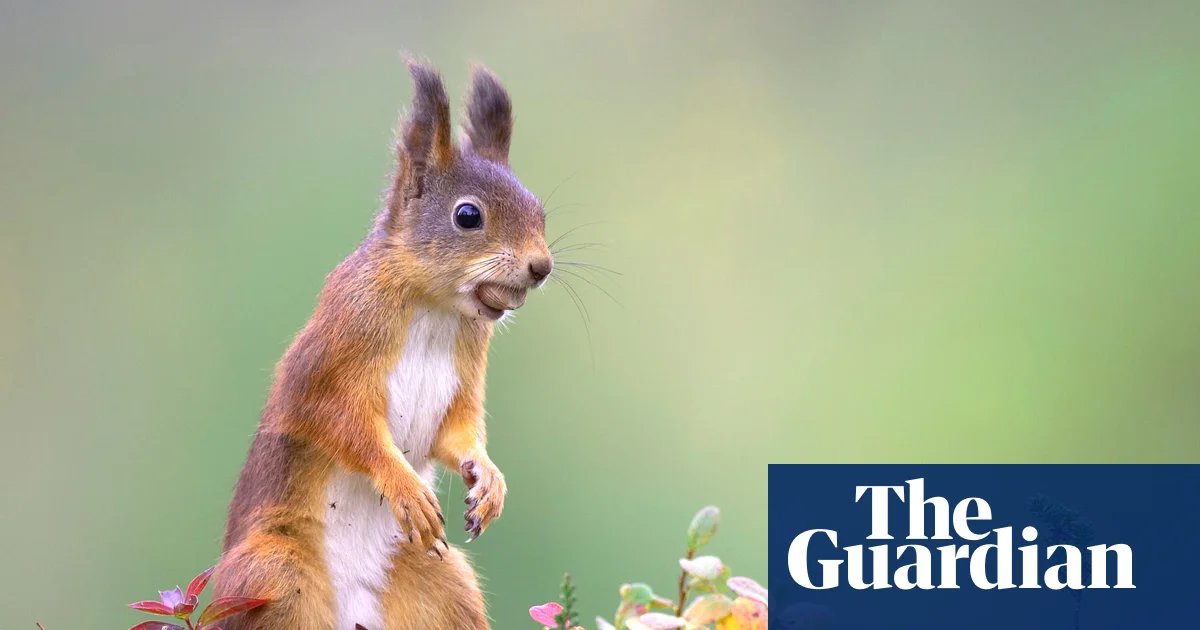
Red squirrels have expanded their range across the Highlands by more than a quarter after a 10-year reintroduction programme moved hundreds to new homes.
The species once came close to extinction in Britain when foresters killed them as pests and their natural habitat was destroyed. A deadly virus carried by invasive grey squirrels has hampered their recovery.
Scotland is the red’s heartland, home to 80% of the UK’s population of about 200,000. The reintroduction project, run by the rewilding charity Trees for Life, has established more than a dozen thriving new sites, from Ullapool to Morvern to Lairg.
Becky Priestley, a project manager at Trees for Life, said: “This rewilding success story is offering hope for the long-term survival of Scotland’s much-loved red squirrels, and shows how we can make a real and positive difference to our native wildlife.”
The charity intends to expand the species’ range further as part of its Missing Species programme for the Highlands, which also aims to bring back three of Scotland’s keystone animals: the lynx, beavers and a modern-day equivalent of aurochs, the original wild cattle.
The licensed red squirrel reintroductions each move small numbers of animals from healthy populations around Inverness-shire, Moray and Strathspey to suitable woods in the north and north-west, where they are safe from greys. Red squirrels cannot reach these havens without help because they fear crossing large open spaces.
The squirrels are given a health check before being moved, and different donor sites are used to ensure genetic diversity. Once in their new homes, they are given extra food for a few months to help them settle.
Before the reintroductions, the reds were missing from most of their former range in the north and north-west Highlands, with the last recorded sightings generally from the 1970s.
The squirrel reintroductions could help forests naturally expand because reds plant new trees by forgetting where they have buried some of their winter stores of nuts and seeds.
The Animal and Plant Health Agency announced a breakthrough in the battle against grey squirrels in September after an oral contraceptive freely eaten in bait by rats was shown to be effective. The contraceptive also caused a reaction in greys, and researchers are refining the formula to increase its effectiveness.
Conservationists warned in 2024 that squirrel pox could wipe out reds in England. However, an isolated population of about 3,500 is thriving on the Isle of Wight.