dailynewsnblog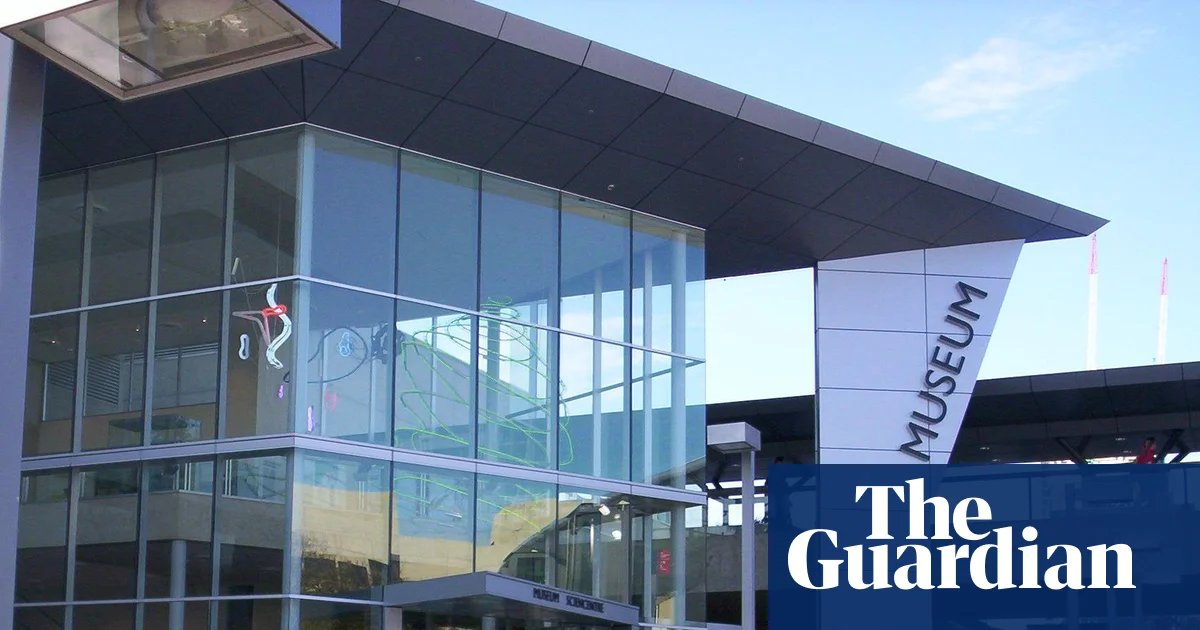
Queensland Museum has been accused of misleading teachers and children about the root cause of the climate crisis through a multimillion-dollar education partnership with one of the world’s biggest oil and gas companies.
Shell’s Queensland Gas Company has been sponsoring the museum’s Future Makers learning program since 2015 and produces teaching materials as well as running free professional development courses for teachers.
But a review of the program’s climate change materials carried out by climate advocacy group Comms Declare claimed they ignore the root cause of the climate crisis: the burning of fossil fuels, including gas.
Belinda Noble, founder of Comms Declare, said: “This is climate obstruction dressed up as education. We wouldn’t let big tobacco sponsor teaching materials – fossil fuel companies shouldn’t shape how kids learn about the climate.”
Future Makers worksheets and learning materials about global warming designed for years 7 to 10 explain how greenhouse gases in the atmosphere are rising and this is causing rapid warming, but the cause of the rise – mainly fossil fuel burning – is not explained.
When covering ocean acidification for students in years 9 and 10, Future Makers “never identifies fossil fuel combustion as the dominant source” of changes in ocean chemistry, CommsDeclare said.
Pupils are encouraged to design a carbon capture and storage (CCS) system, which the teaching materials claim is being developed by “many scientists” to “remove carbon dioxide from the atmosphere and oceans”.
Climate scientists agree the best way to tackle the climate crisis is to stop burning fossil fuels that puts carbon dioxide into the atmosphere in the first place.
Comms Declare said it had been told by the museum that since the program started, Shell had contributed $10.25m in sponsorship for various museum programs, including Future Makers.
Sign up: AU Breaking News email
The Future Makers materials had been downloaded 400,000 times, the museum had said, and Shell’s support had helped provide free professional development in science, technology, engineering and mathematics (Stem) teaching for 1,700 teachers.
Lesley Hughes, a climate change scientist and professor emerita at Macquarie University and a councillor at the Climate Council, said she was “appalled” a fossil fuel company was involved in science education for young people “who will be the ones to suffer the most from their climate-wrecking activities”.
Shell has previously been criticised for its long-running sponsorship of children’s science shows and teacher development at the national science and technology centre Questacon in Canberra. That sponsorship ended in 2022 after 37 years.
Dr Eve Mayes, a research fellow at Deakin University, is studying what she called “petro-pedagogies” – the influence of fossil fuel philanthropy on teaching.
She said the Future Makers program was one of many examples of fossil fuel companies resourcing teachers and children.
“There is a conflict of interest here and it should be questioned,” she said. “Teachers are often struggling to find resources. To what extent is this steering how climate change is being studied?”
The Comms Declare report said: “By omitting fossil fuels from lessons on climate change, these materials undermine students’ understanding of cause and effect.
“Students may know what CO₂ is but not where it comes from or why reducing fossil fuel use is central to solving climate change. This erodes climate literacy at the foundational level.”
The group wants Queensland Museum to review the materials and either withdraw them or rewrite them, as well as end its association with Shell once any contract ends.
Shell Australia declined to comment.
Guardian Australia asked Queensland Museum if it would review the program and if it was appropriate for a fossil fuel company to sponsor education materials for children about climate change.
The museum defended the program saying it had “delivered hands-on science and technology programs and events inspiring the next generation of scientists and innovators” and “delivered real results for Queensland teachers and students… empowering young people, and educators to build essential STEM skills for Queensland’s future.”
All the museums learning resources were in line with federal and state education curriculums and would be reviewed as new versions were released, a statement added.