dailynewsnblog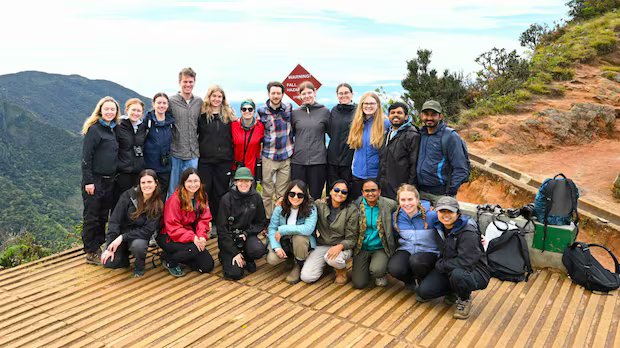

Listen to this article
Estimated 4 minutes
The audio version of this article is generated by AI-based technology. Mispronunciations can occur. We are working with our partners to continually review and improve the results.
Professor Stephen Lougheed suspects the plane he and 16 Queen’s University students were flying home on was nearing Iranian airspace Saturday when they were abruptly turned around.
They landed in Doha, Qatar, to find “mayhem” as stranded passengers learned airspace had been closed and they were now grounded. Israeli and U.S. strikes on Iran had begun.
Days later, the group is still stuck in the city, which has also been attacked, unsure of when or how they’ll be able to return.
“I’d rather have them safe here than engage in any risky behavior that might end up badly,” Loughheed told CBC from Doha on Tuesday. “[We] want to get everybody home alive.”
Despite their predicament, the professor said he and the rest of the group feel “quite safe.”
“It’s really the transition to getting out of here. That’s the concern,” he said.
The students were on their way back from a two-week biology field study in Sri Lanka. A blog set up for the trip said it was about introducing the group to the country’s biodiversity and conservation challenges.
The blog includes descriptions of dolphins “dancing” around their boat and photos of elephants, a sloth bear and exotic birds.
Lougheed said he’s led 70 field courses all over the world, from China to Uganda, including one in South America when they were shaken by an earthquake and had to evacuate.
“I’ve experienced many things, but I would certainly say it’s not without its stress,” he said of their current situation. “It’s an odd once-in-a-lifetime experience to have to be sort of … embedded within a regional conflict, especially one within the Middle East.”

The students departed Doha on a flight to Toronto on Feb. 28, but just over an hour later they were turned around. Lougheed described a state of confusion at the airport when they landed.
“We all felt a little bit uncertain and fairly rapidly came to understand that a conflict had broken out,” he said.
Vouchers for food and water were distributed and the group initially planned to hunker down at the airport and wait, but that proved to be a “naive illusion,” Lougheed said.
Sometime around 2 or 3 a.m., the students were awoken and joined a line of about 500 people waiting for buses to hotels, he explained. They arrived at their hotel at dawn and have remained there since.
Students, professor supporting each other
Lougheed said he and the students have been able to exercise and eat together. He’s created a WhatsApp group where they chat regularly and share any updates.
“I’ve told them that they can come to my room at any time and many have, just to sit and chat with me,” he said, describing the way the group has held together as incredible.
“My students recognize the stress that I’m under, and sometimes they’re counselling me rather than the other way around.”
The situation has left both the professor and the students in the strange position of juggling assignment deadlines for course work back home with the uncertainty of how they’ll get back there, said Lougheed.

A statement issued on behalf of the university said it remains in contact with Lougheed to offer support.
“We recognize that this situation may be concerning for the students and their families, and their safety and wellbeing is our top priority,” it reads, noting Queen’s partners with an organization that provides out-of-country emergency assistance including flight arrangements.
“The university has also been in touch with students’ family members to update them on the current situation and remind them of academic accommodations and support services for students,” the statement continues.
Global Affairs Canada (CAG) is warning Canadians not to travel to a list of Middle Eastern countries including Qatar.
Those already in the region are advised to sign up to receive GAC alerts and make sure their travel documents are up to date.
Lougheed said everyone is eager to find a way home.
“It’s a constant battle for all of us to sort of not really know, and you can’t plan,” he said.