dailynewsnblog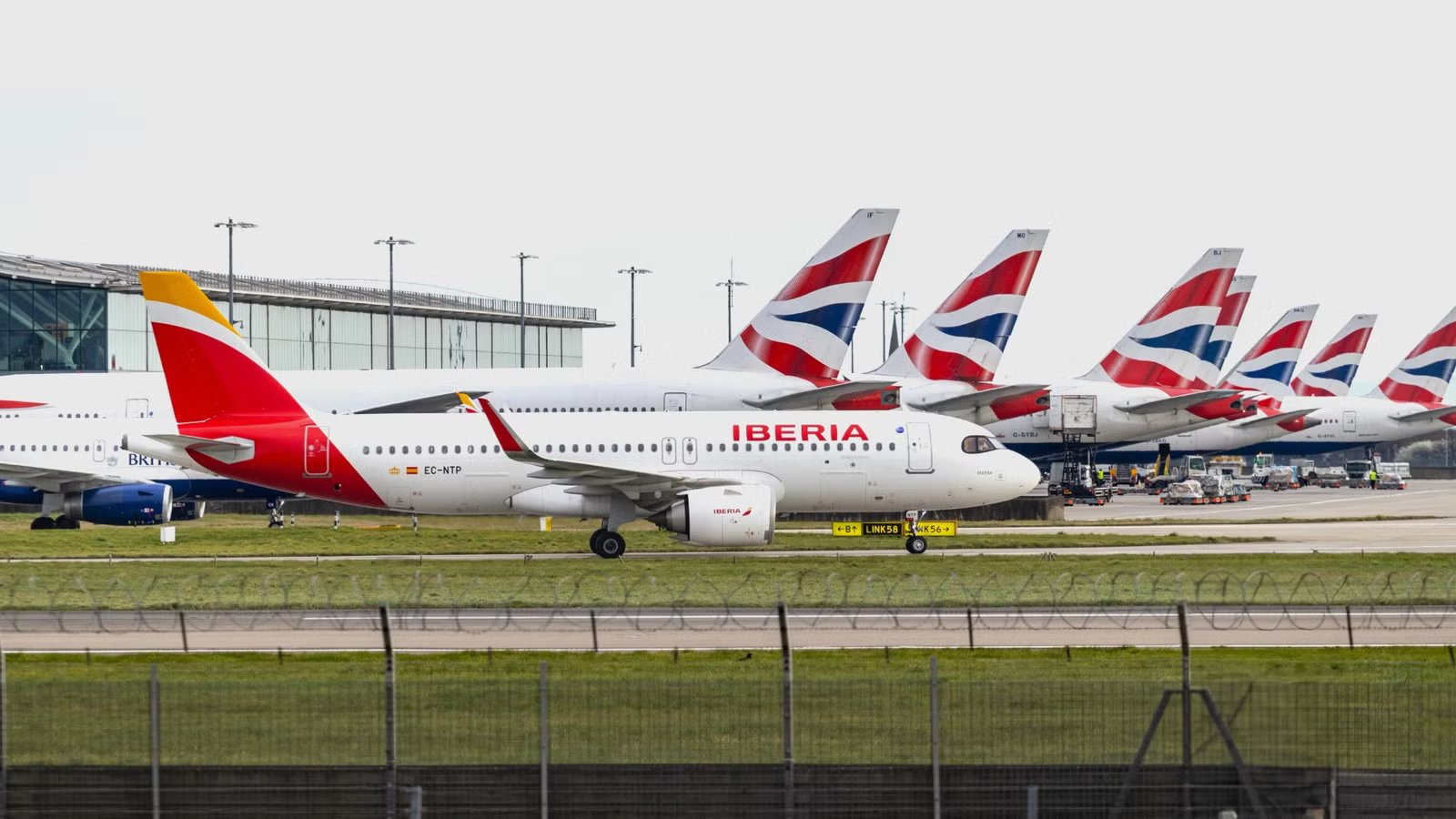
The International Airlines Group ( IAG), which serves as the parent company to Aer Lingus, British Airways, Iberia, LEVEL, and Vueling, has shared its 2025 full-year results with the world, revealing a strong year underlined by a record financial performance. High transatlantic demand was a key factor in the group’s economic growth last year, along with an increasing shift toward premium seats.
While there is still plenty of uncertainty in the aviation world, with tariffs, airspace closures, and geopolitical tensions giving major stakeholders in the aerospace sector cause for concern, IAG’s performance in 2025 stands it in good stead for further growth this year. Let’s crunch the numbers and take a look at the various reasons why 2025 was such a success for the International Airlines Group.
The Key Figures

Aviation is, ultimately, a numbers game, and IAG can certainly be pleased with the various figures that it posted in 2025. According to a corresponding statement shared by the group, its revenue grew by a factor of 3.5% to €33.213 billion last year, compared to a grand total of €32.1 billion in 2024. For reference, at the time of writing, Wise reported that €1 was equivalent to $1.18 in the United States.
While this was a relatively small proportional revenue increase, IAG’s profit last year ballooned in comparison, rising by a factor of 13.1% from €4.443 billion in 2024 to a whopping €5.024 billion in 2025. This growth saw its operating margin widen by a further 1.3% to an impressive proportion of 15.1%, with adjusted earnings per share rising by 22.4% to €0.695. Luis Gallego, the CEO of IAG, said:
“We are confident as we look to the future, with compelling market dynamics, long-term secular growth and a clear plan to leverage our business model and deliver our strategy.”
Why Did IAG Have Such A Strong Year?

There were various factors that contributed to IAG’s strong financial performance in 2025, with the group highlighting its dominance in the transatlantic market as a key factor. According to IAG, its airlines and their partners command a 49% market share on this lucrative aerial corridor, and they collectively operate a grand total of 136 flights a day to some 34 destinations across the North Atlantic Ocean.
Last year saw a degree of undulation as far as transatlantic demand to the US was concerned, with geopolitical tensions prompted by the Trump administration’s swashbuckling style of international diplomacy causing some to rethink their travel plans. Still, while BA’s capacity plateaued, this was largely due to aircraft unavailability, and was offset by Iberia and Aer Lingus introducing the Airbus A321XLR.
In the transatlantic market, IAG also highlights ‘robust’ premium demand as a key factor behind its growth, explaining that this “offset some third quarter softness in the US point-of-sale economy leisure segment.” Elsewhere, increased demand for premium cabins on the leisure side of things has helped the group’s member airlines to recover from a slow recovery in the short-haul business travel sector.

5 Facts About The History Of IAG
Five fascinating facts about IAG that define its history and position it at the forefront of European aviation.
How Does 2026 Look For IAG?

Given the volatile nature of aviation, particularly in the face of external factors that have challenged airlines and airports amid their recovery from the impacts of the coronavirus pandemic at the start of the decade, IAG can certainly be happy with its 2025 results. These figures, as well as representing a strong year of hard work, also stand the group and its airlines in good stead for a competitive 2026.
Indeed, IAG says that “compelling market dynamics and secular long-term demand” support a positive overall outlook for the year to come, with the group being “confident in creating value for [its] shareholders in the long term.” Specifically, IAG is forecasting high margins when it comes to growth in earnings and revenue in 2026, alongside “significant free cash flow leading to a stronger balance sheet.”