dailynewsnblog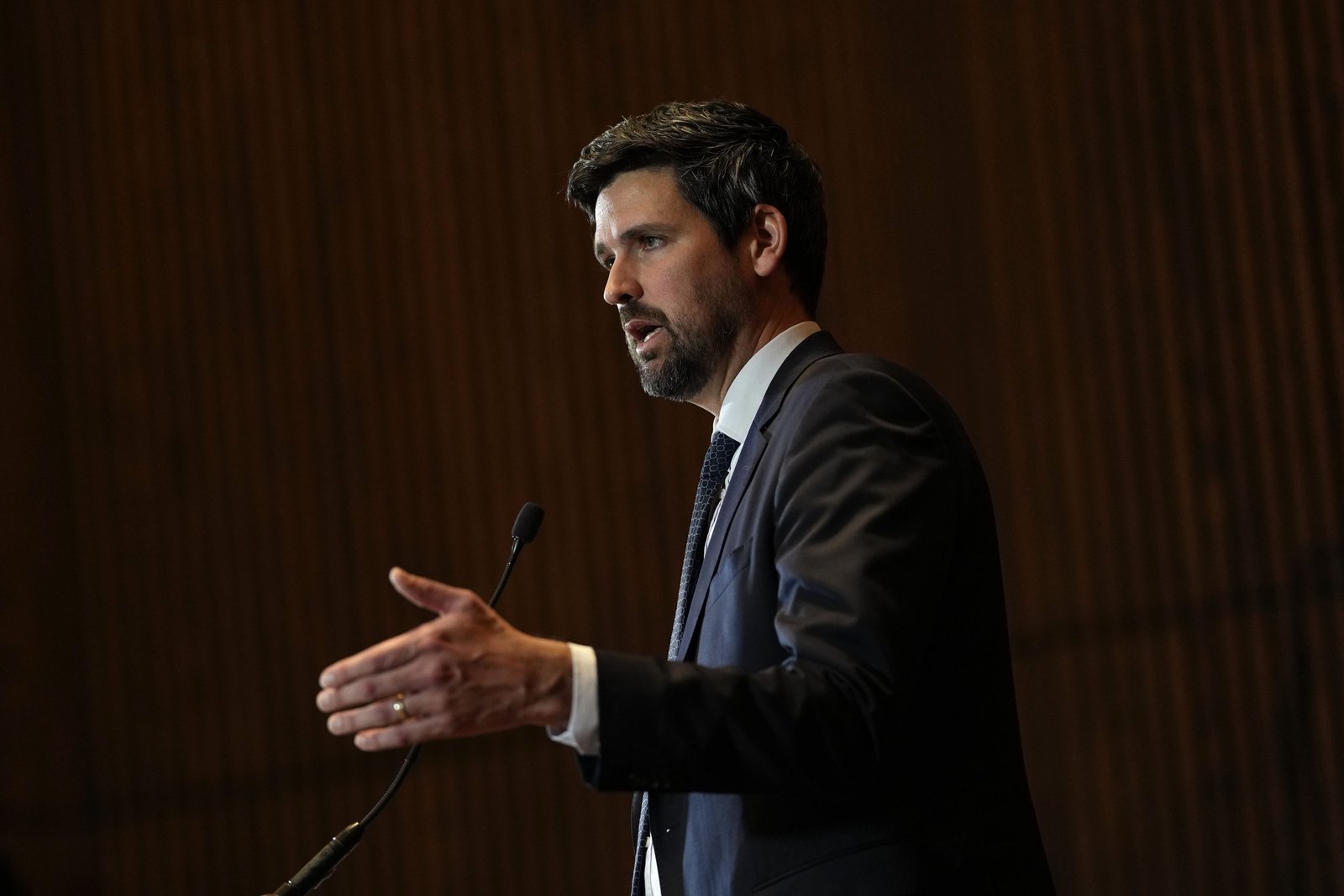
Justice Minister Sean Fraser said he was open to discussing the issue, but drew a clear line when asked whether Ottawa would allow provinces to control the candidate pool. “That’s not something that we’re considering at this point in time,” he said.
Canada’s most populous provinces are calling on Prime Minister Mark Carney to overhaul the selection process for federally-appointed judges and give them exclusive authority to select prospective candidates for vacancies.
In a joint letter released Tuesday, the premiers of Ontario, Quebec, Alberta and Saskatchewan urged the federal government to rethink the judicial appointments process for superior trial courts and courts of appeal. The premiers argue that giving provinces greater authority would ensure judges better reflect regional realities and the diversity of their populations.
“We are calling for a new, collaborative approach, wherein our governments can meaningfully engage in filling judicial positions in our respective jurisdictions,” read the letter, signed by Doug Ford, François Legault, Danielle Smith and Scott Moe.
The premiers are proposing a different model in which provinces would recommend and approve a pool of candidates, and the federal government would be required to make appointments from that list. They are also asking for equal access to information on all judicial candidates assessed during the process.
The letter frames Canada as an outlier among federations, saying that in countries like the United States, Australia, Germany and Switzerland, subnational governments play a central role in appointing judges to comparable courts.
The premiers argue reform is “long overdue,” pointing to what they describe as a “significant deficit of federal legitimacy” in the current process.
Speaking to reporters at Queen’s Park, Ford said the push is partly tied to provincial concerns over issues like bail and the administration of justice.
“We just feel we need a say especially if it falls under bail reform and other provincial jurisdictions,” he said.
Ford pointed to the size of the provinces backing the proposal as justification for a greater role.
“You’re looking at close to 70 to 75 per cent of the population within those four provinces. So I think we deserve a say on who the appointment’s going to be,” he said.
He added that no direct conversations have yet taken place with the Prime Minister’s Office.
“We sent the letter over to the PM’s office and we’ll see the response,” Ford said.
But the federal government is signalling little appetite for such a change.
Asked by iPolitics before cabinet on Tuesday, Justice Minister Sean Fraser defended the current system, saying it is “functioning” and producing strong candidates at a steady pace. He pointed to ongoing efforts to fill vacancies and maintain judicial capacity across provinces.
Fraser said that provinces are already informally consulted in the process. After recommendations come forward from judicial advisory committees, federal officials reach out to provincial counterparts to gather input on candidates’ reputations and qualifications.
“I’ve found that to be very informative,” Fraser said, adding that feedback from provinces has been broadly positive and that many recent appointees have proven to be “excellent.”
But he drew a clear line when asked whether Ottawa would allow provinces to control the candidate pool.
“That’s not something that we’re considering at this point in time,” he said.
Under Canada’s current system, the federal government appoints judges to superior courts, while provinces are responsible for administering those courts. Any move to formally grant provinces control over candidate lists would be a significant shift, and could trigger a broader debate over the independence of the judiciary and the division of powers in Canada.
For now, the premiers’ proposal appears unlikely to gain traction in Ottawa, but it signals a coordinated push from some of the country’s most powerful provinces to reshape how Canada’s courts are built.
with files from Marco Vigliotti