dailynewsnblog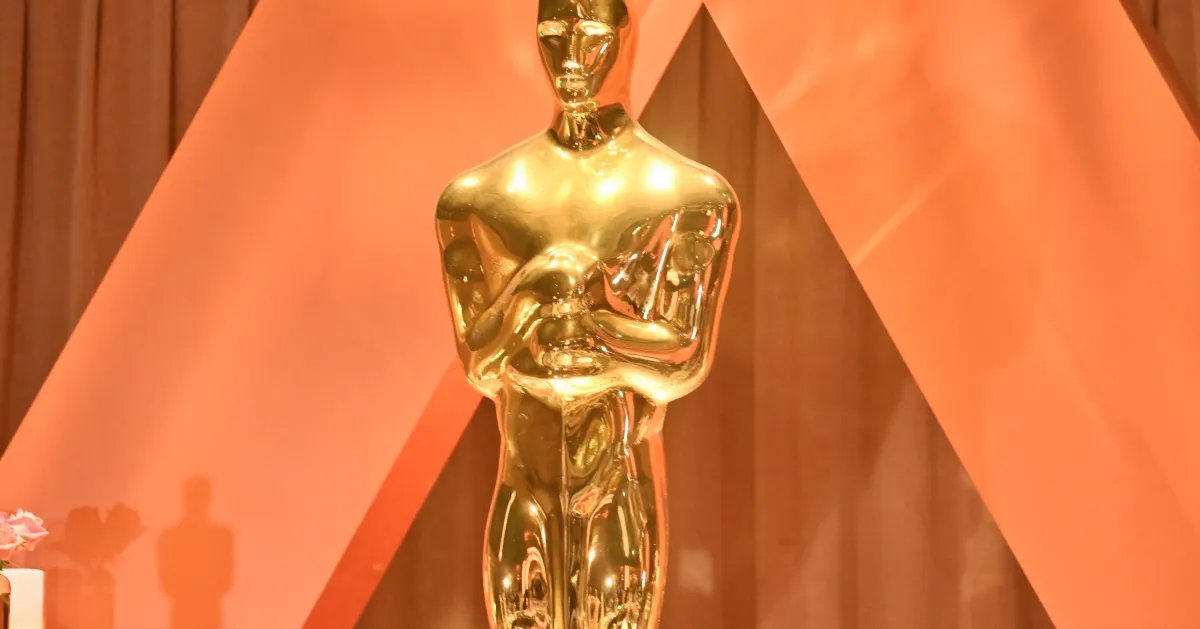
Though it was weird to see the Golden Globes partner with Polymarket for its most recent awards show, the collaboration wasn’t shocking given the way that people have begun using prediction markets to gamble on basically anything. Prediction markets are being used to bet on everything from when wars might break out to who will win the Nobel Peace Prize, so why wouldn’t people also be interested in placing wagers on more entertaining and less consequential things, like celebrities’ chances of winning industry accolades?
But this “everything is gambling” culture has given prediction market firms an opportunity to insert themselves into other institutions — like the media — in ways that seem designed to erode people’s understanding of how those institutions function. And this year’s Oscars have shaped up to be another big betting event that normalizes the sportsbook-ification of reality.
Though the Oscars haven’t officially partnered with any prediction market companies, on Friday, Kalshi announced that it is working with Rotten Tomatoes to “provide real-time prediction market data” that will be incorporated into the review aggregator’s editorial and social coverage. Kalshi says that its data won’t have an impact on Rotten Tomatoes’ scores, but the companies believe this information will offer “an additional layer of fan insight to awards season.”
“Rotten Tomatoes has helped shape the cultural conversation around film and television for decades,” Kalshi’s head of partnerships, Will Brackett, explained. “By adding Kalshi’s real-time forecasting, we’re giving fans a dynamic view of how audiences see the awards race evolving in real time.”
What Brackett is selling here is the idea that Kalshi quantifies public sentiment in a way that can be trusted because its users are all trying to make money. That kind of numbers-based approach to thinking about film feels deeply antithetical to having a true appreciation for art, but that hasn’t kept people from giving prediction markets a try. Compared to last year, Kalshi has seen big spikes in trading volume tied to the outcomes of this year’s awards ceremony. Some of that growth can be attributed to more people becoming familiar with these platforms. But it also feels like this particular crop of movies has inspired fans to become more personally invested in their success.
Almost every single one of this year’s front-runners for Best Picture spawned passionate fandoms that have played important roles in shaping the larger discourse around each film. People taking it upon themselves to advocate for Oscar-nominated movies isn’t a new phenomenon, but in 2025, we saw filmgoers becoming activated in ways that speak to how the concept of being a fan has shifted.
At least online, movie buffs have become much more fixated on box office totals and production costs as metrics of whether a feature is “good.” Obsessing about numbers tends not to result in thoughtful conversations about art. But in Sinners’ case, fans’ interest in those figures is what led to a moment when you could see how racial bias was negatively impacting the way industry trades were reporting about the movie. Though Sinners outperformed expectations by raking in an impressive $48 million during its opening weekend, Variety, Vulture, and The New York Times each ran pieces that cast doubt on whether the movie could be successful. Sinners did have to make quite a bit more money before it eventually became a financial win, but that questioning scrutiny wasn’t applied to One Battle After Another, which almost immediately garnered Oscar buzz despite it falling short of box office expectations.

Of course, there were other aspects of the films people dug into, like Ryan Coogler’s exploration of southern Blackness and Paul Thomas Anderson’s approach to telling a story about Black political revolutionaries. Those conversations and all of the stunts Timothée Chalamet pulled while promoting Marty Supreme gave fans more reasons to pay attention as these movies campaigned throughout awards season. And now, prediction markets are giving people a novel way to take everything they’ve internalized in the buildup to the Oscars and turn it into chances at winning money.
Unlike a casino, where you’re betting against the house on games with fixed outcomes, prediction markets are driven by peer-to-peer contracts where two parties are betting yes or no on whether a particular outcome will happen. This makes platforms like Polymarket and Kalshi very well suited to act as middlemen for bets on events like awards shows that have a variety of potential outcomes. Because the Oscars are based on voters’ subjective opinions, there is no way for bettors to truly know which films will come away from the ceremony with golden statues. But that hasn’t stopped people from reading awards campaigns like tea leaves.
Each ceremony leading up to the Oscars gives people a general idea of how voting members of organizations like the Academy of Motion Picture Arts and Sciences might cast their ballots. The number of other awards a film has won is what shapes narratives about Oscars shoo-ins and upsets. But there can be other factors at play, like the fiasco at this year’s BAFTAs involving Sinners stars Michael B. Jordan and Delroy Lindo and I Swear executive producer John Davidson. Following the BAFTAs, Jordan beat out Chalamet for Best Actor, and Sinners won Best Ensemble at the recently renamed Actor Awards. And Sinners’ sudden momentum at this late stage in the game has prompted more bettors to see the movie as an odds-on Oscars favorite.
Oscars gambling is much less morally suspect than some of the other things prediction market enthusiasts are trying to make some quick cash from. But these wagers still feed into questionable culture that encourages people to see the world through an opportunistic, gamified lens. Companies like Kalshi want to become enmeshed in every possible facet of our lives. Betting on the Oscars is just a relatively frictionless method of beginning the process.