dailynewsnblog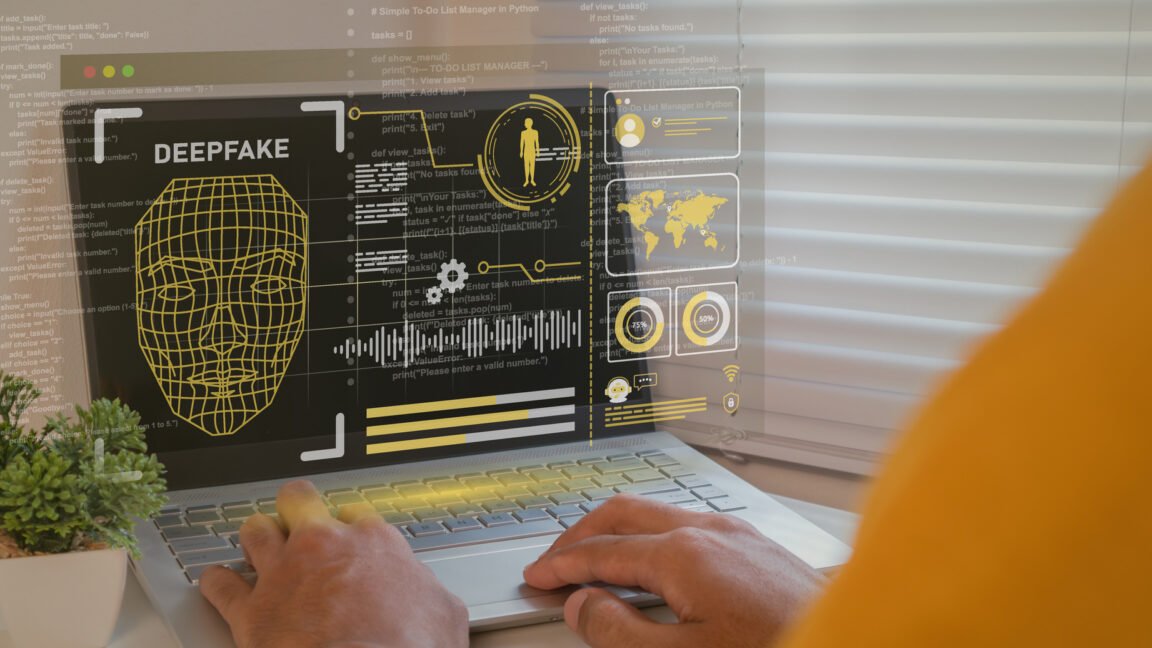
A corporal in the Pennsylvania state police yesterday pleaded guilty to a mind-boggling set of crimes that include going through his co-workers’ underwear, possessing a stolen gun, having child sexual abuse material on his hard drives, and using AI tools to create over 3,000 pornographic “deepfakes.”
One of the deepfakes involved a district court judge, while many of the others were created based on photos downloaded illicitly from state databases, including driver’s license photos.
Some of the imagery was even created at police barracks, using state-owned devices.
Deepfakes from driver’s licenses
Stephen Kamnik, 39, was arrested last year and charged with nine felonies and six misdemeanors. According to the Pennsylvania attorney general, “For years, Kamnik allegedly misused Commonwealth computer resources for his own personal sexual gratification, including the creation of AI-generated pornography of numerous female citizens of Pennsylvania.”
The Philadelphia Inquirer notes that the investigation began back in 2024 after police officials “noticed that the computer assigned to [Kamnik] had been using an unusually high amount of Internet bandwidth” and that an external hard drive had been repeatedly attached to it.
This aroused suspicion and eventually led to searches of Kamnik’s phone, computer, and external hard drive, which revealed a massive trove of illicit material. This material included thousands of pornographic deepfakes that Kamnik had generated using AI tools.
The attorney general said yesterday that Kamnik got material for this process through several methods, such as “secretly filming and photographing individuals, including coworkers.” Investigators even found “an unlawfully recorded video of a Montgomery County magisterial district judge during a court proceeding which Kamnik also edited for apparent lewd purposes.”
But many of the AI deepfakes were generated using the faces of women pulled from state databases. Kamnik’s devices showed that he had used “a secured database, JNET, to obtain hundreds of photographs of females—in violation of JNET usage policies,” the attorney general said. One of the rules JNET users must agree to before searching is “that personal use of JNET is strictly prohibited.”