dailynewsnblog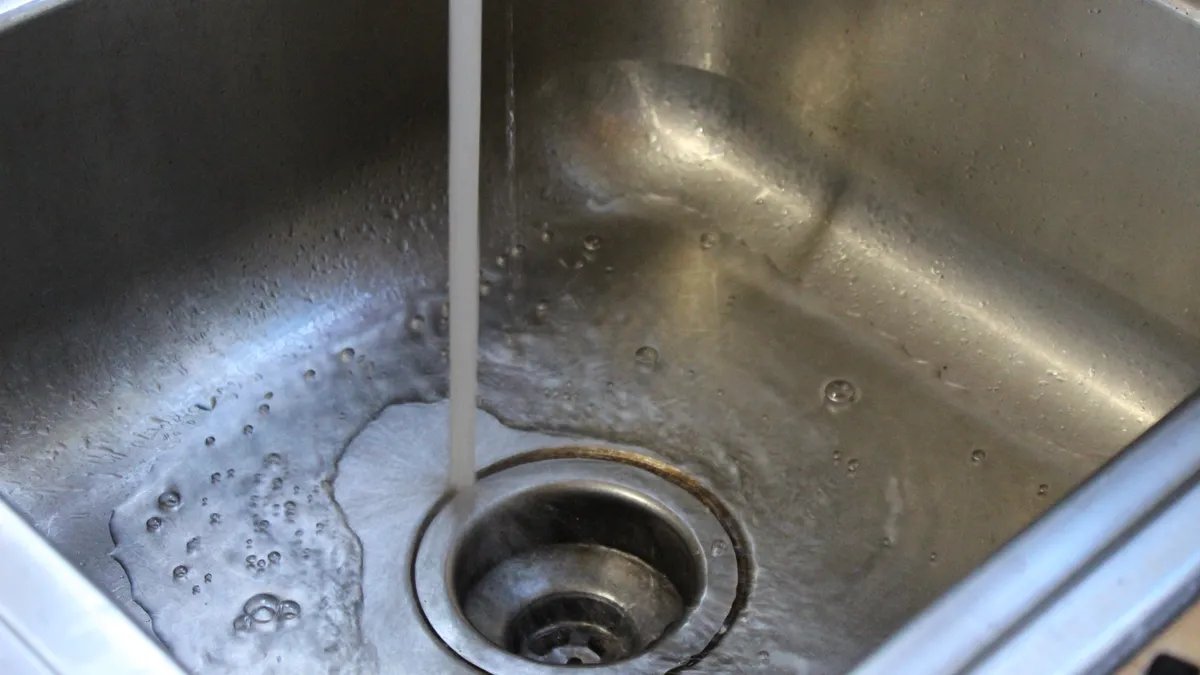
A clogged kitchen sink can ruin your afternoon. When it requires a pricy visit from a professional plumber, it can siphon serious money out of your pocket, too. Most clogged drains are completely avoidable. It’s knowing what should and shouldn’t be disposed of in the sink that’ll keep your pipes from backing up.
The tricky part is that many of the culprits seem completely harmless — a little grease here, some dirt from a potted plant here, but they quietly build up over time or harden inside your pipes, forming an impasse.
If your drain is already clogged, a plumber explained to us why a chemical drain cleaner may not be the best fix. If your drain is flowing freely, consider yourself lucky, and do your best to keep it that way. Below, you’ll find nine things you should never send swirling down the drain.
9 household items that will clog a drain
1. Oil and grease
Bacon fat shouldn’t be poured down the sink, but it can be saved and used in your next recipe.
Oil and grease are two of the most common drain-clogging substances. Large amounts of cooking oil left in the skillet or a mound of leftover bacon fat from breakfast are surefire ways to build up gunk in your kitchen pipes over time.
Oil should be thoroughly cooled and placed in a sealed receptacle before being tossed. Pork fat and bacon grease can flavor your next recipe or season a cast-iron skillet.
Read more: 8 Ways to Use Leftover Bacon Fat
2. Vegetable peels
Carrot, potato and other vegetable peels may fit down the drain but that’s about the worst place you can put them. That organic refuse will cause backups and clogged drains faster than you can say “compost pile.”
Speaking of which, a compost pile or organic waste processor is precisely where those materials should go. Here’s how to start a compost pile if you’re new to the game.
3. Oil-based foods: Salad dressing, mayo, sauces and marinades
Avoid putting large amounts of mayo or salad dressing down the kitchen drain.
The same goes for oily foods, including salad dressing, mayonnaise, marinades, and more. A small spot of mayonnaise may not cause an issue, but dumping a whole bottle of past-its-prime balsamic dressing or teriyaki marinade could cause problems.
Heavily oil-based foods can’t be composted and should be tossed in the garbage.
4. Coffee grounds
Coffee grounds can be composted but they shouldn’t go in the sink.
If you make a pot of coffee every morning, disposing of the grounds is just part of the routine. Coffee grounds can be composted, but they should not go down the drain. Over time, coffee grounds will build up in the pipes and cause a backup.
If you don’t have one, consider starting a compost pile to keep food scraps out of the sink and the garbage. Use this helpful trick to avoid that compost pile stench in your kitchen. Or, if composting isn’t in the cards, add a countertop food scrap processor like the Lomi or Mill Bin.
5. Flour
Extra flour should be composted or thrown away.
If you’ve seen what happens to flour when it mixes with water, you know why it’s not a good idea to pour it down the drain. Imagine dense bread dough trying to make its way through your pipes. It’s not pretty.
If you have leftover flour from a baking project or a recipe, you should compost it or throw it away.
6. Dirt and soil
Fight the urge to flush excess potting soil down the kitchen drain.
I’m admittedly guilty of this one. The kitchen sink seems perfect for transferring an indoor plant from pot to pot, but soil and other debris can easily clog your drain.
If you can do it without letting more than a few granules down the sink, you’ll probably be OK. If heaps of potting are involved, you’d be wise to take the project outside.
7. Rice and pasta
Be it cooked or uncooked, rice does not belong in your pipes. Compost it instead.
Unless you have a garbage disposal, food scraps should not go down the drain. Rice and small pasta are especially tricky since they can sneak past your drain guard and end up in pipes they shouldn’t be in.
To prevent a starch-based clog, discard leftover grains and pasta in the compost pile or trash bin if you’re not composting.
8. Paper products
Paper products, no matter how thin, do not go down the kitchen drain.
No paper products should go down the drain, even if they are made from thin compostable material. Certain kitchen products, like plates, bowls, and napkins, can be composted, but check carefully before adding them to your kitchen pile or smart kitchen bin. Otherwise, they should be tossed.
9. Paint
Oil-based paint is about the worst thing you could pour down the kitchen sink. Try mixing it with kitty litter until it dries before disposing of it.
I’ve also been guilty of this, but it’s time to break the habit. Because paint is liquid, it might seem like a candidate for the kitchen sink, but it’s not. Paint adheres to pipes; if it dries, it becomes a serious plumbing problem.
One genius hack for disposing of old paint: kitty litter. Mix some litter with the old paint can until it hardens, then toss it in the garbage. Check with your local sanitation service for certified disposal facilities for oil-based paints.
How to unclog a drain with household items
Is there anything baking soda and vinegar can’t do?
If your drain does clog, try a combination of vinegar, baking soda , and boiling water. Many LifeProTips and Lifehacks Reddit threads report that this quick fix saves homeowners in a pinch.
There are also chemical drain cleaners to help get things moving — although a plumber we spoke to explained why you should be cautious with them. To stop food and solids from getting into the kitchen drain, a $10 sink strainer It will save you grief later on.
Most important is knowing which foods and household items to keep out of the kitchen sink to avoid a clogged-pipe catastrophe.
FAQ
What’s the best chemical cleaner I can use for a clogged drain?
For a full list of our tested chemical drain cleaners, see our best list here.
Note: According to a plumber we spoke with, chemical drain cleaners should be a last resort, as they can cause pipe corrosion if used frequently. Try vinegar and baking soda (for mild clogs) or a pipe snake first.
Do baking soda and vinegar really unclog drains?
Yes, baking soda and vinegar can be an effective method against minor clogs. However, this method is not recommended for severe clogs where it can create excessive pressure and damage the plumbing.