dailynewsnblog
Pilots are raising safety concerns after growing fear that they could be in breach of their contracts if they refuse assignments that require them to fly over conflict zones, as tensions continue to rise in the Middle East. Safety concerns have been elevated by pilots in countries from Lebanon to India.
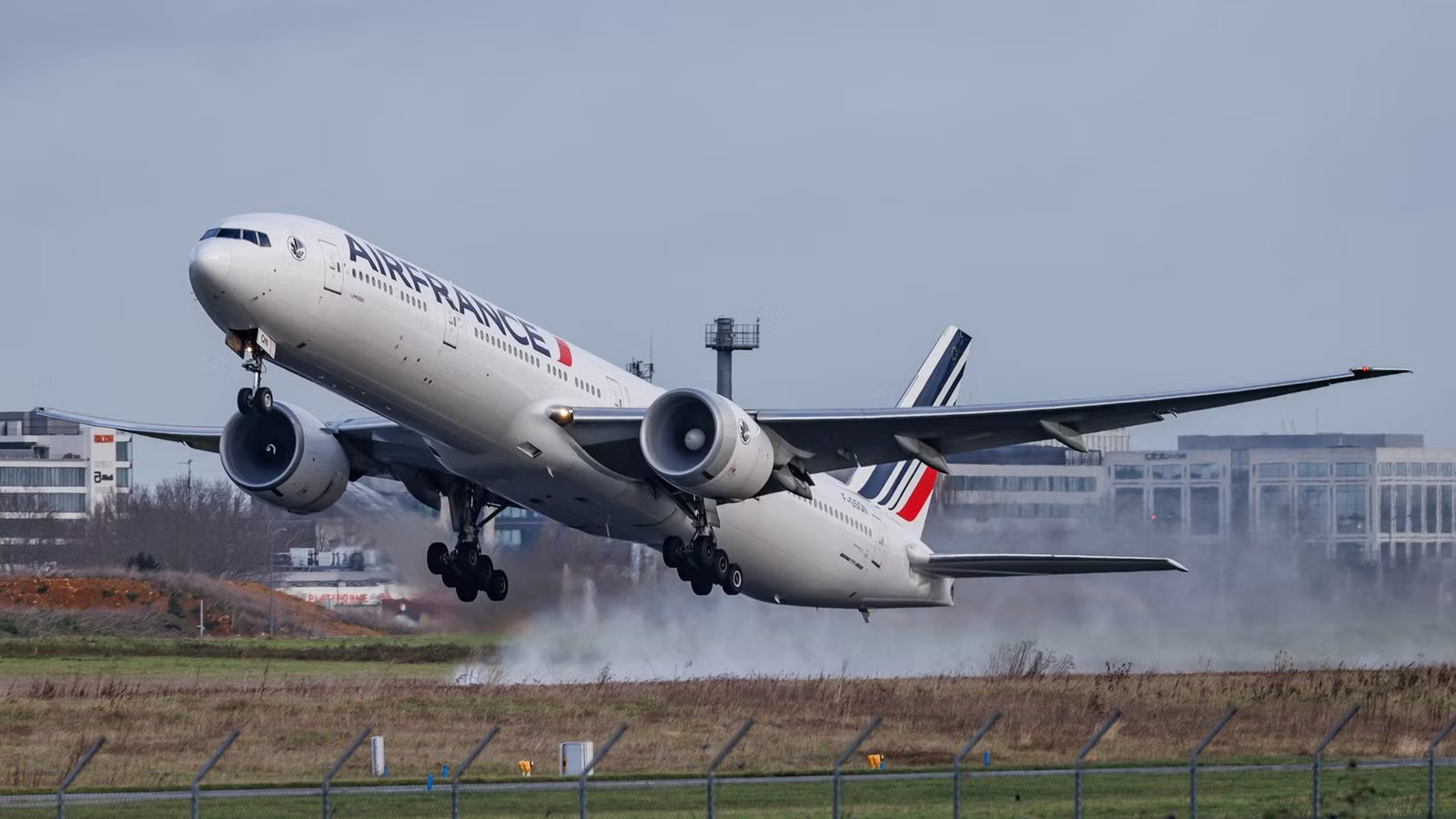
While many European airlines have been banned from operating in Middle Eastern airspace, there are some carriers that continue to operate in the region without as many restrictions, with one of these being the Indian flag carrier,  Air India. Following these developments, a global aviation union group has raised concerns that pilots are in fear of resuming assignments as they could lose pay or be fired, as suggested in a report by Reuters.
Widespread Concerns That Pilots Could Face Sanctions For Saying No

Pilots in Israel’s neighboring country of Lebanon have voiced their concerns that they may face sanctions from their employer if they refuse to fly. This comes at a time when there are continuing to be unpredictable conditions, and airspaces can abruptly close without notice due to incoming missile or drone strikes.
The underlying fear of retribution remains strong as reported by Hay, a  Delta Air Lines Captain, who noted that they are worried that they could lose their job, and they won’t get paid for the time for a trip they didn’t take. While the names of the airlines involved were not disclosed, the report evidently shows that there is a lack of confidence that a positive safety culture allows pilots to speak up.
“That’s been lacking in the Middle East region for quite some time, and it’s just been exacerbated by this conflict.”
Members Of The International Federation of Air Line Pilots’ Association Speak Up

Members of the International Federation of Air Line Pilots’ Association (IFALPA) include several airlines based in the conflict-stricken region, including Bahrain, Israel, Kuwait, Lebanon, and Egypt. This does not include the major carriers in the Gulf that have been heavily affected by the Iran crisis, such as Emirates and Qatar, which remain ununionized.
Middle Eastern carriers have been operating through dedicated corridors set by regulators, and flights have been prioritized to ensure safety. As explained in the report by Reuters, the outlet has attempted to make contact with dozens of pilots based in the Gulf to hear whether they continue to be worried about flying in unpredictable conditions, but all declined to respond.
The European Union Aviation Safety Agency (EASA) has extended its current ban on European airlines wanting to operate to the Gulf until April 24, including destinations in the United Arab Emirates and Qatar.

Middle East Airspace Plunges Into Chaos After US-Israel Strikes On Iran
Eight countries and counting have shut their airspace to all flights.
The Mental Load For Those Flying In Conflict Zones

As a result of these challenging living conditions, the United Nations has identified several mental health risks associated with flying in the region as a major concern. Personnel involved in civil aviation operations who are flying near or in conflict zones are expected to suffer from heightened stress, anxiety, and fatigue, irrespective of whether they are involved on the ground or in the air.
Pilots and crew operating in the region could have a lack of guidance on risk, and due to abrupt closures to airspace as attacks continue, can put immense pressure on crew to adapt quickly, and make alternative plans if airports or airspace are suddenly closed. The IFALPA has called Air India’s decision to continue operating to the region a ‘grave concern’, and the aviation regulators have written letters to demand that a centralized risk assessment be conducted to ensure appropriate levels of safety and controls are implemented.
High-stakes negotiations are set to take place in Islamabad, Pakistan, between the Iranian and the United States delegations, which are aimed at ending the nearly six-week war. These talks are ongoing and are rife with serious disagreements. Regional security and opening of the Strait of Hormuz remain a key focus, amid warnings of potential renewed attacks.