dailynewsnblog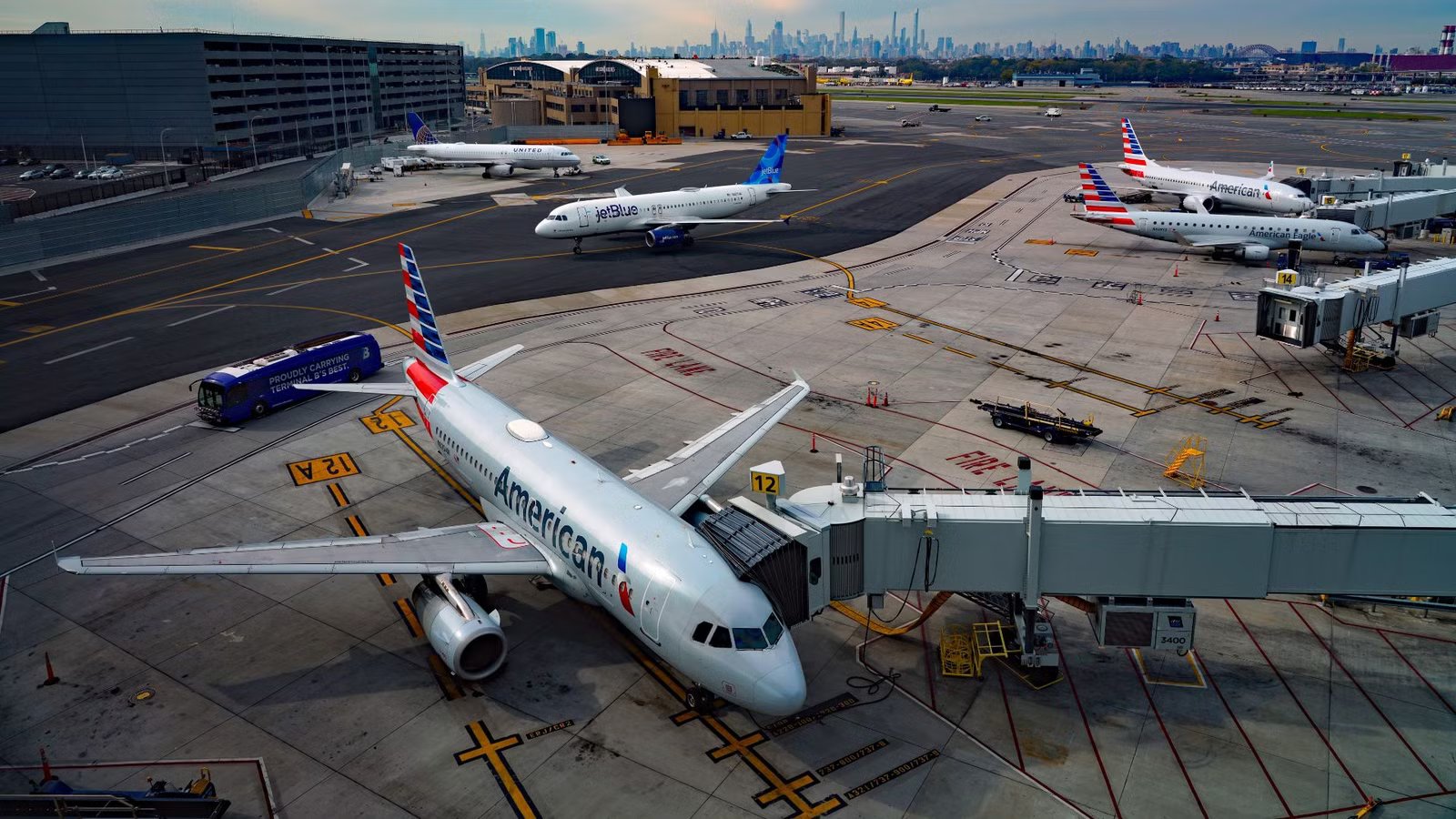
Flight crews operating at New York La Guardia (LGA) have flagged multiple near-miss situations due to air traffic control miscommunication, prompting renewed safety concerns, CBS News reports . Pilots reported receiving unclear or overlapping instructions during critical phases of flight, such as takeoff and landing. The issue is significant because LaGuardia handles roughly 400 daily aircraft movements, leaving little margin for error.
The reports emerge as the US aviation system faces mounting pressure from rising passenger demand and limited controller staffing. Nationwide, the Federal Aviation Administration (FAA) has acknowledged a shortfall of several thousand certified controllers, contributing to heavier workloads. In complex metro areas like New York, where multiple major airports share airspace, coordination is especially demanding. These latest incidents highlight how operational strain can increase the risk of communication breakdowns, echoing concerns raised after the recent  Air Canada Bombardier CRJ-900 collision with a fire truck earlier this week, which has renewed scrutiny of safety margins during high-workload operations.
Air Canada 8646 Accident Fuels Debate Around Safety

Pilots described situations in which instructions from controllers were ambiguous or conflicted with traffic already in the vicinity. In several cases, aircraft came within reduced separation distances, requiring immediate corrective action by crews. Standard separation in controlled airspace is typically at least 3 to 5 nautical miles (roughly 4 to 9 km) horizontally, depending on conditions. Deviations from these standards, even briefly, are treated as serious safety events.
Although no collisions occurred from the reports, the incidents have drawn attention due to their frequency and similarity. Such events are often prevented by pilot intervention or onboard safety systems rather than procedural safeguards alone, especially if some of those safeguards fail, or do not work fully as intended. This raises concerns about systemic vulnerabilities if traffic levels continue to rise. In an anonymous safety report, one Captain wrote:
“The pace of operations is building in LGA. The controllers are pushing the line. On thunderstorm days, LGA is starting to feel like DCA did before the accident there.”
The Growing Debate About Controller Workload

LaGuardia shares tightly packed airspace with New York John F. Kennedy International Airport (JFK) and Newark Liberty International Airport (EWR), creating one of the busiest aviation corridors globally. Combined, these airports are estimated to handle almost 1.5 million aircraft movements annually, based on average daily movements. Aircraft often follow intersecting arrival and departure paths, increasing reliance on precise timing and communication. Even minor misunderstandings can quickly escalate into safety-critical situations.
Controller workload has become a growing concern, with some facilities operating below recommended staffing levels. Training a fully certified air traffic controller can take two to three years, making rapid workforce expansion difficult. This does not factor in the additional experience required to operate at busy and highly demanding airports such as JFK and LGA. At the same time, US passenger numbers have rebounded to near pre-pandemic levels, exceeding 800 million annually. This combination of high demand and limited staffing increases operational complexity.
Many aircraft are equipped with Traffic Collision Avoidance Systems (TCAS), which issue alerts if aircraft are too close or are on a collision course. While highly effective, TCAS is designed as a last-resort safety net rather than a primary separation tool. In addition to this, TCAS Resolution Advisories are inhibited on or near the ground. It also does not prevent collisions with airport vehicles.

Breaking: Air Canada CRJ-900 Collides With Fire Truck At LaGuardia, 2 Fatalities Reported
Authorities have confirmed the sad news that both of the aircraft’s pilots lost their lives in the crash.
The Ongoing Changes Being Made

In response to ongoing concerns, the FAA has introduced measures such as traffic flow restrictions and revised communication protocols at congested airports. Some facilities have also increased simulator-based training focused on high-density traffic scenarios.
Historically, clusters of near-miss incidents have often preceded major safety reforms in aviation. For example, past runway incursion spikes led to improved ground radar systems and standardized phraseology. Current events may similarly accelerate investment in automation and decision-support tools for controllers. Analysts suggest that integrating artificial intelligence could help detect potential conflicts earlier.
While the reported incidents did not result in injuries or damage, they highlight the thin margins within which modern aviation operates. Regulators are continuing to investigate and monitor trends to identify root causes. The situation may lead to targeted procedural changes at LaGuardia and other high-traffic airports. Ultimately, maintaining safety will depend on balancing traffic growth with system capacity and resources.