dailynewsnblog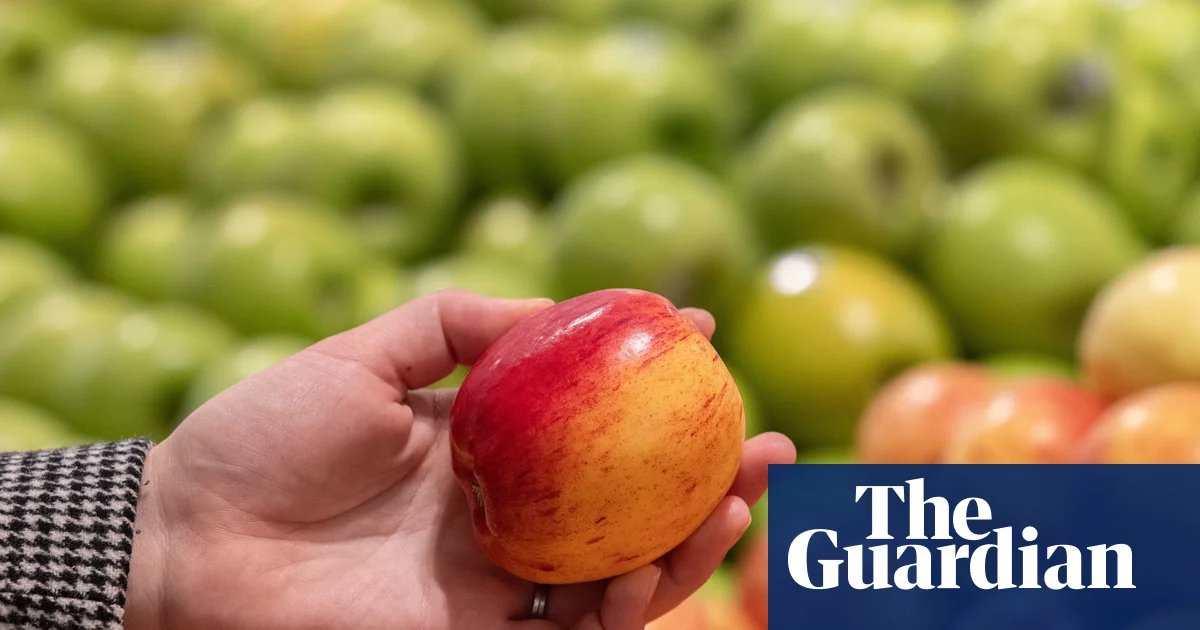
Environmental groups have raised the alarm after finding toxic “pesticide cocktails” in apples sold across Europe.
Pan Europe, a coalition of NGOs campaigning against pesticide use, had about 60 apples bought in 13 European countries – including France, Spain, Italy and Poland – analysed for chemical residues.
Eighty-five percent of the samples contained several pesticide residues, the organisations said, with some apples showing traces of up to seven different chemicals.
Pan Europe advised consumers to buy organic apples or peel conventionally grown ones before eating them.
In 71% of cases, Pan Europe detected pesticides classed among the most hazardous in the EU – so-called “candidates for substitution” that the bloc aims to phase out as soon as possible.
The analysis also found that 64% of samples contained at least one per- and polyfluoroalkyl substance, also known as Pfas or “forever chemicals”, which are found throughout the environment and everyday products.
Pesticide residues are permitted in the EU below certain maximum levels. But Pan Europe warned of the “cocktail effect”, when consumers are exposed to several pesticides simultaneously in a single product.
Martin Dermine, a senior official at the coalition, criticised the European Food Safety Authority for assessing pesticides individually rather than the risk from “multiple exposure” to several substances. “In this report, we show that 85% of the apples have multiple residues, and we don’t know if they are safe for consumption or not,” he said, pointing to potential links to cancer and infertility.
If the same apples were sold as processed baby food, 93% of the samples would be banned, Pan Europe said, as their pesticide residues exceed the stricter limits set for children under three. EU rules are tougher for baby foods to protect early development.
Apples rank among Europeans’ favourite fruits, and are the most widely grown in the EU, particularly in Poland, Italy and France. They are also among the most heavily treated fruits, with pesticides used in particular to fight apple scab, the main fungal threat to orchards. More than half of the numerous annual treatments carried out on the fruit – about 35 on average – target the disease.