dailynewsnblog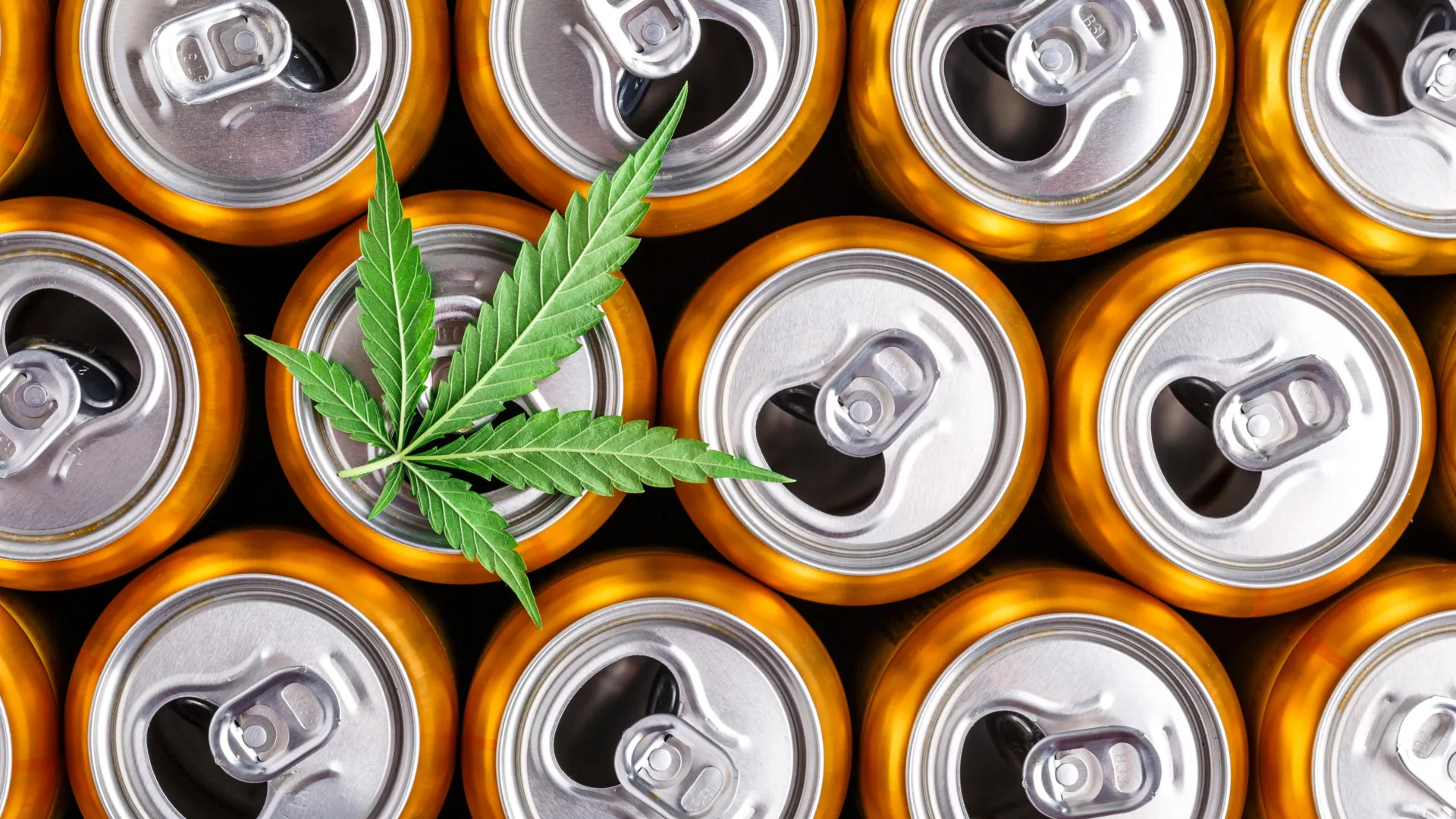
Cannabis infused drinks could offer a new way for some people to cut back on alcohol, according to a small study led by public health researchers at the University at Buffalo.
Alcohol use carries serious health and social consequences. Drinking has been linked to at least seven types of cancer and nearly 200 diseases and medical conditions. Cannabis generally presents fewer risks, particularly when compared with heavy alcohol consumption.
The research, published in the Journal of Psychoactive Drugs, is the first to specifically examine cannabis beverages as a potential tool for alcohol harm reduction.
What Is Harm Reduction
Harm reduction is a public health approach aimed at lowering the negative effects associated with substance use. While complete abstinence may be ideal, many adults continue to use legal substances such as alcohol, tobacco, or cannabis. Harm reduction strategies focus on minimizing risk rather than insisting on total avoidance.
“In the first study of its kind, we introduce the concept of having cannabis as harm reduction for alcohol. Cannabis has been proposed as harm reduction for other drugs such as opioids but not talked about as often for legal substances such as alcohol,” says study first author Jessica Kruger, PhD, a clinical associate professor of community health and health behavior in UB’s School of Public Health and Health Professions.
However, she notes that broader acceptance may take time. “I think we have a long way to go before this is seen as mainstream as cannabis beverages are a new modality of use.”
Cannabis Drink Market Growth
Sales of cannabis beverages are rising rapidly. Market research firm Euromonitor estimates that global sales could surpass $4 billion by 2028. At the same time, many Americans are actively looking for ways to drink less alcohol, and not only during “Dry January.”
The study surveyed 438 anonymous adults who had used cannabis in the past year. Of those participants, nearly 56% said they also consumed alcohol. About one third reported using cannabis beverages, typically having one per occasion.
Participants who drank cannabis beverages were more likely to say they substituted cannabis for alcohol (58.6%) compared with those who used other cannabis products (47.2%).
Drinking Patterns and CBD Content
Most respondents who consumed cannabis drinks reported products containing 10 mg of cannabidiol (CBD) or less (89.5%). A smaller share, 10.4%, consumed beverages with more than 10 mg of CBD, while nearly half (48%) said they did not know the CBD content.
People who began using cannabis beverages reported a noticeable drop in alcohol consumption. On average, they drank 3.35 alcoholic beverages per week after starting cannabis drinks, compared with 7.02 drinks per week beforehand. They also reported fewer binge drinking episodes.
Nearly two thirds of respondents (62.6%) said they either reduced (61.5%) or completely stopped (1.1%) drinking alcohol after starting cannabis beverages. A small portion, 3.3%, reported drinking more alcohol.
Why Cannabis Drinks May Replace Alcohol
The findings indicate that cannabis beverages could help some individuals substitute alcohol and potentially lower alcohol related harm.
“Several previous studies, including ours, have demonstrated that people have reduced their alcohol consumption by switching to cannabis,” says Daniel Kruger, PhD, a paper co-author and research associate professor in UB’s School of Public Health and Health Professions.
“It’s remarkable that people who use cannabis beverages report an even greater reduction in alcohol use than those who use other types of cannabis products (but not beverages). We believe this may be because of the similarity in administration method and context of use — people at parties or bars will likely have a drink in their hand, in this case a cannabis beverage rather than an alcoholic one,” he adds.
Cannabis drinks are often sold in cans that resemble beer or hard seltzer, which may make them feel familiar in social settings. As more states legalize cannabis for adult use, these products are becoming increasingly accessible. In New York State, the first legally sold cannabis beverage became available in January 2023, shortly after licensed cannabis sales began.
Nearly 82% of survey participants who used cannabis beverages said they typically purchased their products from licensed medical or adult use dispensaries.
The researchers plan to continue studying how cannabis beverages affect drinking behavior over time and to compare different methods of cannabis consumption.
Nicholas Felicione, PhD, assistant professor of community health and health behavior at UB, also contributed to the study. The research team thanked their community partners Premier Earth and Star Buds, both licensed cannabis dispensaries in the Buffalo area, for assisting with survey distribution.