dailynewsnblog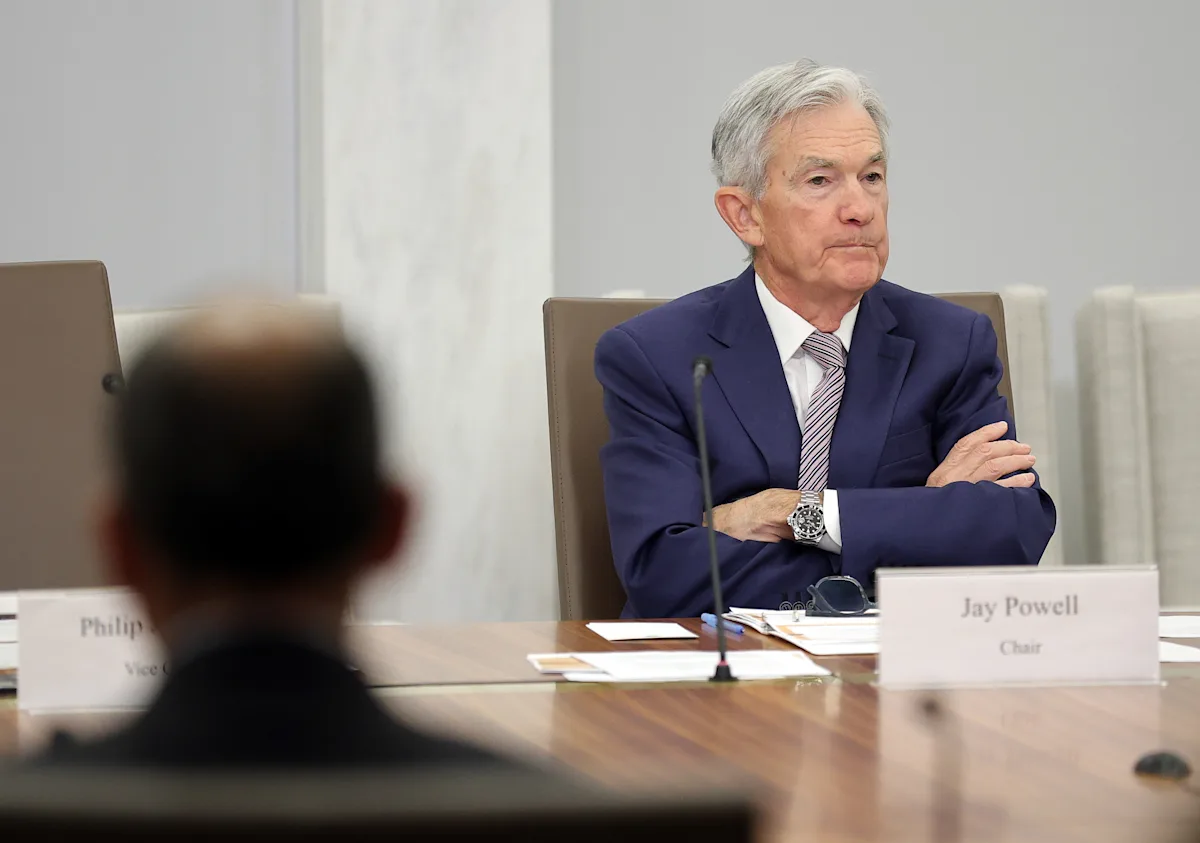
A version of this story first appeared on TKer.co
’ve been doing a lot of reading, listening, and watching over the past three weeks. And I can confidently say that no one knows where things are headed in the next couple of weeks and months.
Federal Reserve Chair Jerome Powell was asked last week how higher energy prices from the conflict in Iran would affect the economy.
“The thing I really want to emphasize is that nobody knows,” Powell said. “The economic effect could be bigger. They could be smaller. They could be much smaller or much bigger. We just don’t know.”
The experts with the highest conviction in their forecasts seem to be commodities analysts who are convinced oil prices are headed higher. But even they struggle to understand why prices aren’t higher already.
With the stock market, it’s usually the case that people don’t know how prices will behave in the near term. But I think this is especially the case right now.
For starters, many market participants didn’t see the attack on Iran coming. According to BofA’s Global Fund Manager Survey, just 14% of market pros cited geopolitical conflict as their top “tail risk” in February. In March, that jumped to 37%.

According to TKer Stock Market Truth No. 8: “The most destabilizing risks are the ones people aren’t talking about.” That’s because these risks aren’t priced into the market. And when they materialize, traders and investors inevitably scramble to price them in, often with incomplete information. The added uncertainty alone is enough to drive prices lower.
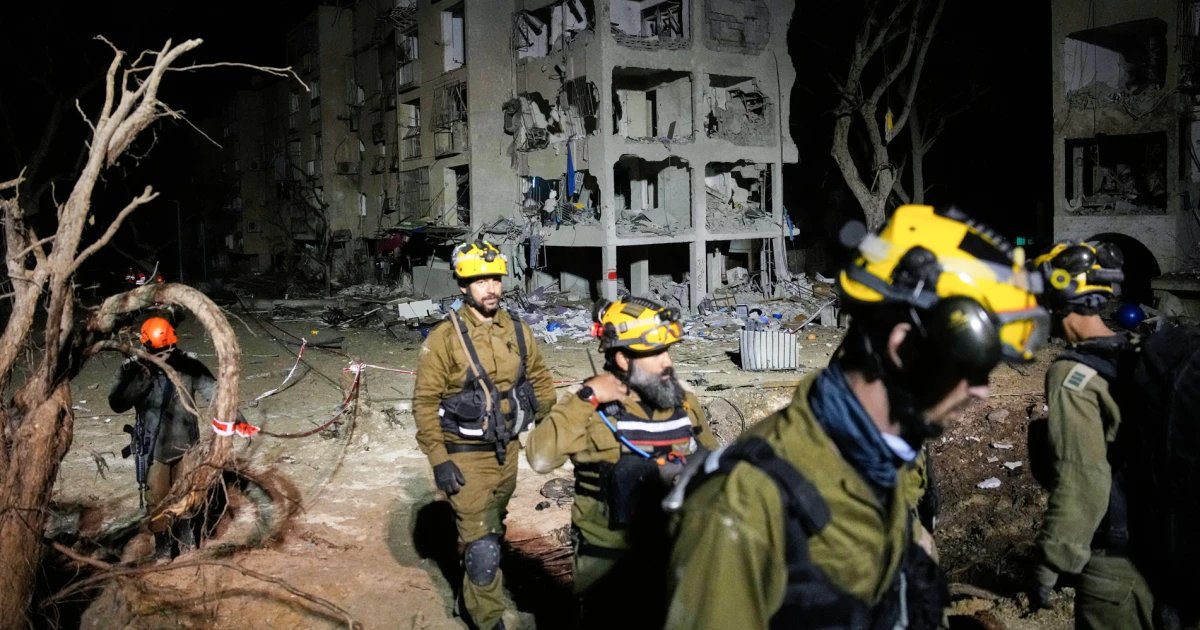
The bigger problem is that we remain in the throes of this risk event — the Iran war — which has an unclear timeline. It’s an event that directly affects the supply and price of oil, which in turn affects almost every corner of the global economy. The longer this goes, the more painful it becomes and the harder it is to unwind.
This unclear timeline makes it impossible for anyone to estimate costs in their financial models. A swift resolution to the conflict could mean costs are lower than expected. A protracted conflict could mean costs are higher than expected. Like Powell said, “They could be much smaller or much bigger. We just don’t know.”
Until we’re able to see an endgame, we’re almost certain to keep getting a mix of positive and negative headlines that whipsaw the markets, some reflecting seemingly optimistic developments that prove to be false hopes. One moment, we’re told the war is ending. Later, we’re told the conflict is escalating. One day, we hear about a coordinated effort to release strategic energy reserves. The next day, we learn that another major source of energy has been disrupted. And so on.