dailynewsnblog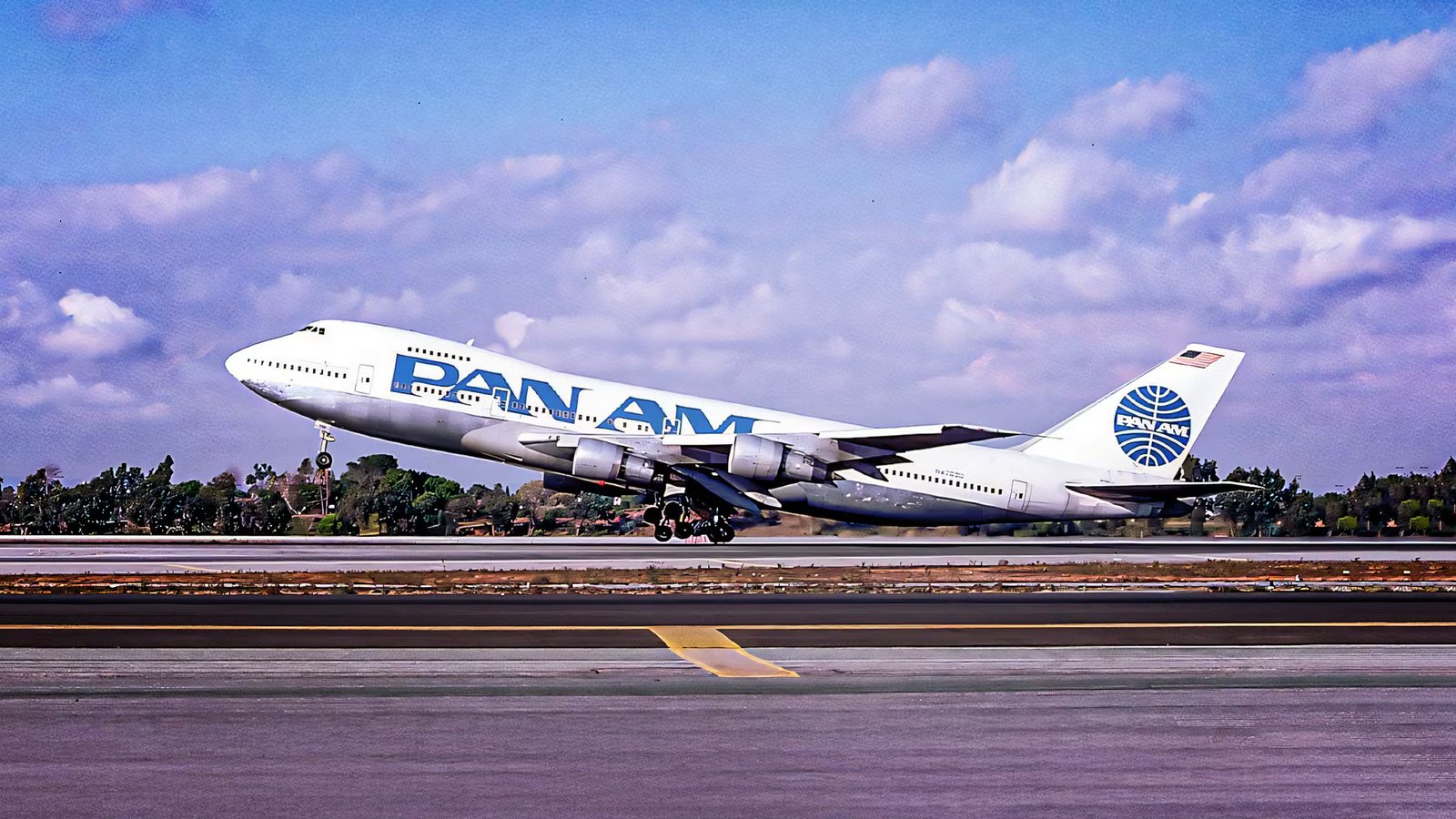
Pan Am, short for Pan American World Airways, is one of the most legendary airline brands in all of aviation history. Founded in 1927, Pan Am was once considered the de facto flag carrier of the United States, and it was one of the largest international airlines in the world. The carrier also helped kickstart the jet age, was the world’s first airline to fly widebodies, and it introduced many groundbreaking technologies like computerized reservation systems. It was a true pioneer and arguably the most iconic airline in the world.
But although Pan Am is one of aviation’s most iconic and influential airlines, the carrier hasn’t existed for nearly 35 years. Beginning in the 1970s, Pan Am faced significant challenges both internally and externally. It was heavily impacted by the economic recession following the 1973 oil crisis, had ordered too many Boeing 747s, drastically overpaid to acquire National Airlines due to its lack of a domestic network, and couldn’t compete post-deregulation. After selling off its most prized assets, the carrier ceased all operations in 1991. But now, Pan Am may be preparing a comeback.
Overview Of Pan American World Airways

Founded in 1927, Pan American World Airways was essentially the pride of American aviation throughout the early 20th century. In its early days, Pan Am quickly won many contracts and air rights to develop the largest international network out of any US airline. It pioneered widespread transoceanic flights with its flying boats before World War II, and after the war, it continued to lead the industry as the US’ premier international airline with its extensive long-haul fleet.
Pan Am spent the decades following World War II building a significant long-haul network that dwarfed its competitors. In the 1950s, it elected to order 25 Boeing 707s and 25 Douglas DC-8s, becoming the launch customer for the 707. It would later fly 120 improved 707-321s, and Pan Am was also the launch customer for the Boeing 747. The 747 was essentially made according to the specifications set out by long-time Pan Am president Juan Trippe, and when the 747 entered service with the airline in 1970, it revolutionized air travel.
Until the 1970s, Pan Am was beloved for its route network, onboard service, and iconic status, but this wasn’t enough to counter the challenges that the carrier would face in the late 1970s and 1980s. Pan Am’s finances deteriorated significantly and couldn’t compete against nimbler airlines with thorough domestic networks post-deregulation. In addition, its onboard product declined in quality. Pan Am sold large parts of its network to competitors and ended up ceasing all operations on December 4, 1991.
The Long-Awaited Return Of Pan Am

After Pan Am ceased operations in 1991, the brand name was soon revived for another attempt at scheduled commercial service. The new “Pan American Airways” (also known as Pan Am II) commenced operations in 1996, but would merge with Carnival Airlines in 1998, and the holding company declared bankruptcy later the same year. It was revived again as Pan Am III, operating under Carnival’s air operating certificate (AOC), but ceased operations in 2004. The name was resurrected again as Pan Am Clipper Connection from 2004 to 2008, and was temporarily resurrected again in 2011.
In June 2025, the Pan Am name was brought back for a short series of all-business class charter flights. Tickets went for over $65,000, and the experience, which mimicked historical Pan Am routes, was advertised as being more similar to a luxury cruise rather than traditional flights. However, the flights themselves were operated by a leased Icelandair Boeing 757-200, an aircraft type that was never operated by Pan Am, and the experience only ran from June 27 to July 8, 2025. It was far from a true return for Pan Am.
In June 2025, aviation merchant bank and consulting firm Avi8 Air Capital began collaborating with Pan American Global Holdings, owner of the Pan Am name rights, on a feasibility study for a revived Pan Am. The two developed a business plan, and in October 2025, it was announced that the entity had begun the FAA certification process to commence Part 121 operations under the Pan Am name.

The Top 10 Most Missed Defunct Airlines Around The World
While these airlines have been lost to history, many avgeeks still look back on them fondly.
What To Expect From The New Pan Am

A Part 121 certificate, which is what the new Pan Am is seeking, essentially grants an airline permission to operate scheduled flights with large aircraft. This is the same certificate issued to American Airlines, Delta Air Lines, United Airlines, and the rest of the US’ largest airlines. Beyond this, however, little detail has been issued as to the company’s plans. It’s been announced that the new Pan Am will be headquartered in Miami, and it was announced on February 5, 2026, that Pan Am had selected Amadeus to power its IT and distribution systems.
It was previously announced that Pan Am intended to fly Airbus aircraft, and the company’s CEO, Ed Wegel, made a LinkedIn post in December 2025 stating that the company intends to fly the Airbus A320neo “at some point in the future when the supply chain issues and engine issues are resolved“. This doesn’t, however, clarify what the company’s initial fleet will look like, although used or leased A320ceo family aircraft are a strong possibility. It’s also unclear whether a formal agreement has been reached with Airbus or a lessor for the A320neo, although there are hundreds of A320neo orders from undisclosed customers.
While the company is prominently promoting its launch and leaning heavily into the nostalgia of its brand name, a Part 121 certificate doesn’t necessarily mean that it will operate regular passenger flights. Omni Air International and the current iteration of Eastern Airlines, for instance, are charter companies, yet they hold Part 121 certificates due to the size of the aircraft that they operate. With so little detail revealed as to what the company has planned, it remains to be seen whether this will be a revival in the manner that most imagine.
The Challenges Facing A New Pan Am

As a startup airline, the new Pan Am has no revenue aside from its current funding source. Certification in the United States can be a monumental task, and the carrier will need to pour significant sums of money into regulatory fees, salaries, training, simulators, as well as the high capital costs associated with acquiring aircraft. These costs add up, especially when Pan Am has yet to operate a single flight, and significant delays could lead to significant cost increases, potentially killing the new Pan Am before it earns a single dollar.
Of course, this is tame compared to what awaits Pan Am once the AOC is received.  American Airlines,
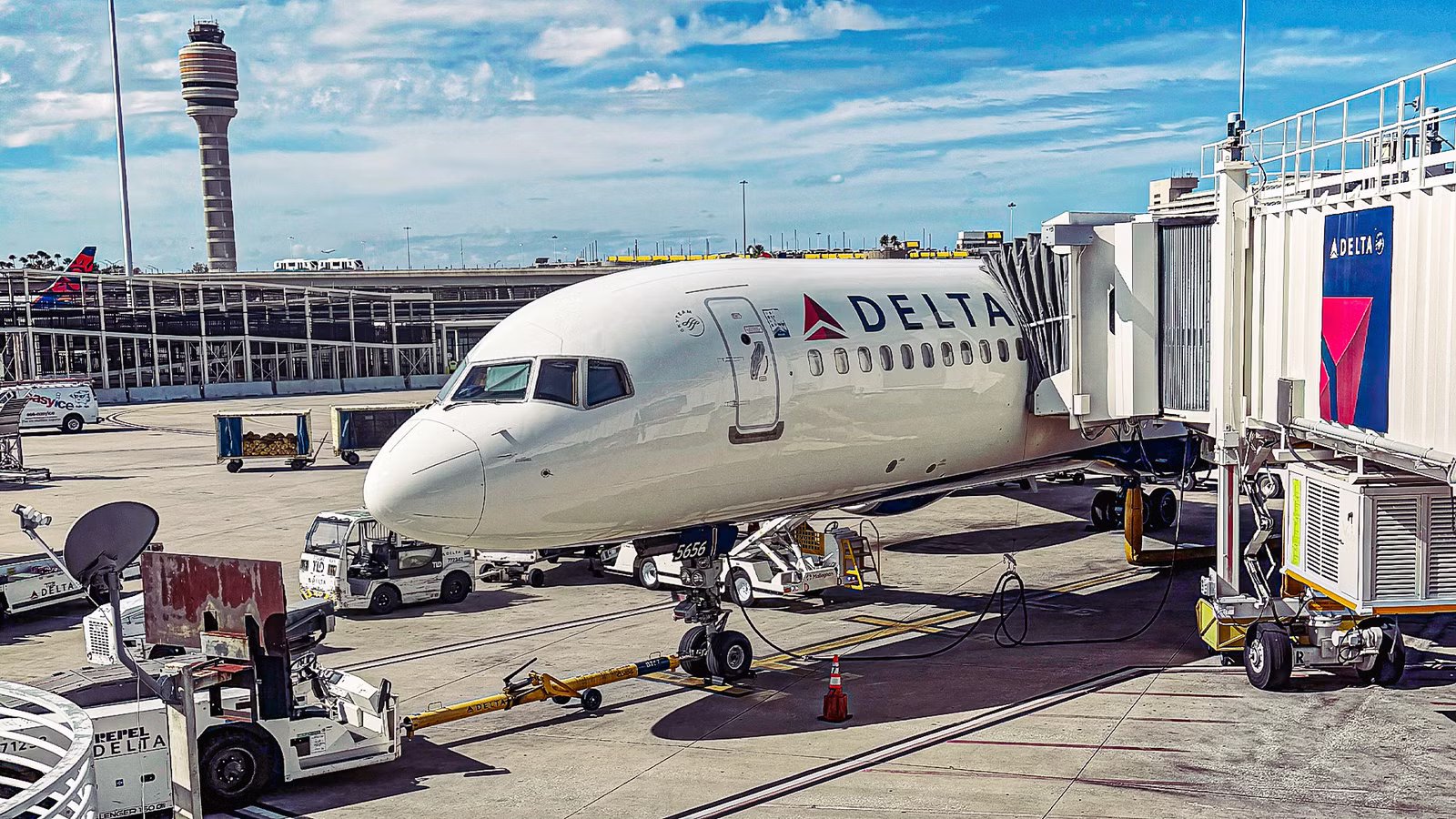
  Delta Air Lines, and
  United Airlines each operate nearly or over 1,000 mainline aircraft, along with hundreds of regional planes. All three airlines have multiple hubs spanning the entire country, and while American’s finances are fairly weak, Delta and United are as strong as ever.
|
Airline |
Mainline Fleet Size |
|---|---|
|
United Airlines |
1,086 |
|
American Airlines |
1,018 |
|
Delta Air Lines |
988 |
|
Southwest Airlines |
801 |
|
Pan Am |
It’s unclear what market segment the new Pan Am is looking to target, but it will face significant challenges regardless. Direct competition with the legacy carriers will almost surely lead to heavy financial losses for Pan Am, while US airline customers are turning away from budget airlines as a whole, leading to heavy losses among the large, established low-cost and ultra-low-cost carriers. It’s incredibly difficult to get started in the airline industry, especially when the competitive environment is as favorable to the big, established players as it is right now.

History: Remembering Pan Am’s Close Relationship With The Boeing 747
The Boeing 747 was key to Pan Am’s global success in the 1970s and 80s.
The Fundamental Issue With Reviving Pan Am

Restarting airline operations with the Pan Am brand essentially relies upon the goodwill and nostalgia of the name itself for success. The problem is that Pan Am went out of business nearly 35 years ago, meaning that many younger customers have little or no memory of the carrier. What’s more, Pan Am’s reputation in the late 1980s and early 1990s had deteriorated significantly, becoming associated with worn-out planes, outdated facilities, and the photographs from the infamous 1988 bombing of Pan Am flight 103 over Lockerbie, Scotland.
The new Pan Am is really trying to call back to the Pan Am of the early 1970s, the 1960s, and before the Jet Age, when Pan Am was a successful airline that was the pinnacle of the American airline industry. But given that over half a century has passed, there are relatively few airline customers with whom the Pan Am name holds real value. The new carrier then has to compete on price, product, and schedule, which will be a nearly insurmountable challenge.
|
Largest US Airlines By Annual Seat Miles 1950 |
1970 |
1990 |
2010 |
2019 |
|---|---|---|---|---|
|
American Airlines |
United Airlines |
American Airlines |
United Airlines |
Delta Air Lines |
|
United Airlines |
Trans World Airlines |
United Airlines |
Delta Air Lines |
United Airlines |
|
Trans World Airlines |
American Airlines |
Delta Air Lines |
American Airlines |
American Airlines |
|
Eastern Air Lines |
Pan American World Airways |
Northwest Airlines |
Southwest Airlines |
Southwest Airlines |
|
Pan American World Airways |
Eastern Air Lines |
Continental Airlines |
US Airways |
JetBlue |
(Data from the American Business History Center)
Today, the airline names that resonate the most with passengers are Delta Air Lines, United Airlines, Alaska Airlines, Hawaiian Airlines, Southwest Airlines, and American Airlines. These are brands that either have a premium image, hold significance, offer products that are well-liked by loyalists, or some combination of these factors. Pan Am, while an important company in aviation history, simply isn’t relevant today. It would be unique and exciting for Pan Am to restart operations, but to say that the new company has an uphill battle would be an understatement.