dailynewsnblog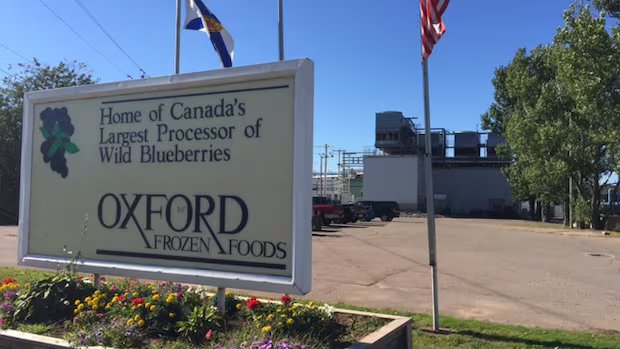

Listen to this article
Estimated 2 minutes
The audio version of this article is generated by AI-based technology. Mispronunciations can occur. We are working with our partners to continually review and improve the results.
Nova Scotia-based Oxford Frozen Foods has been fined $10,000 for mislabelling its blueberries as Canadian at a time when more consumers are looking to buy local in grocery stores.
The food processing company is among five businesses fined a total of $47,000 by the Canadian Food Inspection Agency since April 2025 for “inaccurate or misleading country of origin claims,” the federal food regulator said in a recent news release.
“Canadians have been clear that they want to support Canadian businesses and buy Canadian products. Consumers deserve origin labels they can trust so they can make informed choices,” the agency said.
Oxford Frozen Foods, which touts itself as the world’s largest supplier of wild blueberries, has manufacturing facilities and farming operations in the Maritimes and the United States.
Blueberries, carrots and battered appetizers are processed in Oxford, N.S. The company also has facilities in Halfway River, N.S., and in Bois-Gagnon, N.B. Storage and manufacturing also takes place in the company’s Maine location.
The Canadian Food Inspection Agency (CFIA) said the company was fined last September. It would not elaborate on what led to the fine, but said in the news release that it responds to complaints and conducts inspections to verify origin claims on labels, advertisements and signage.
“The CFIA takes labelling issues seriously and is directly addressing the growing concern with Canadian food businesses over inaccurate and misleading origin claims,” it said in the release.
A Loblaw-owned grocery store in Etobicoke, Ont., an unidentified Loblaw-owned Real Canadian Superstore, a Calgary business and an Edmonton-based food supplier were also fined. The mislabelled items included banana bread, ghee, broccoli slaw and cheese.
Oxford Frozen Foods did not respond to requests for comment.
The buy-Canadian movement gained significant momentum last year in response to a trade war with the U.S.
In February 2025, amid economy-wide tariff threats from U.S. President Donald Trump, the Nova Scotia government announced a $300,000 pilot program to make it easier for people to identify local products when shopping.
The CFIA also has an online guide to help Canadians identify a product’s origin.
MORE TOP STORIES