dailynewsnblog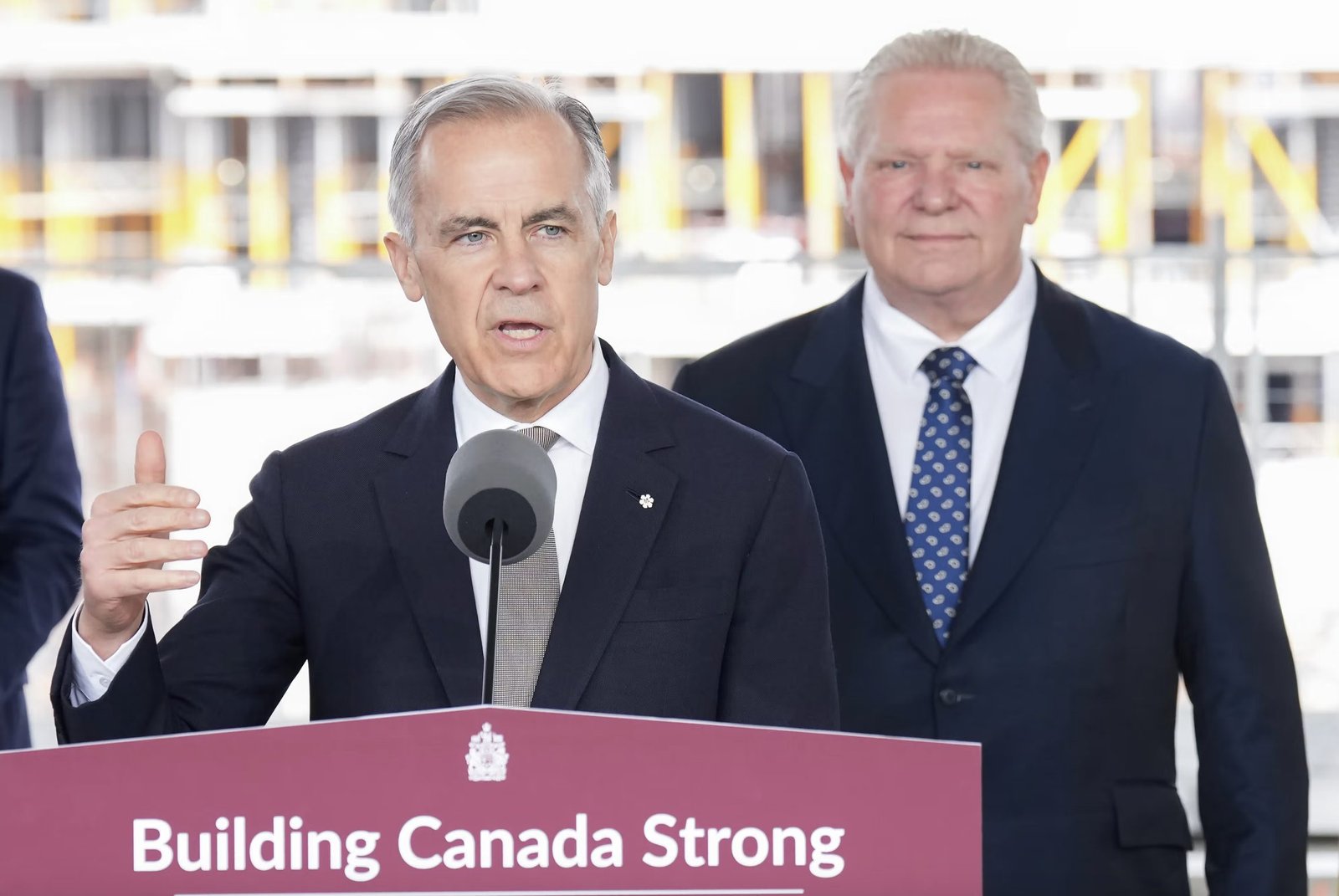
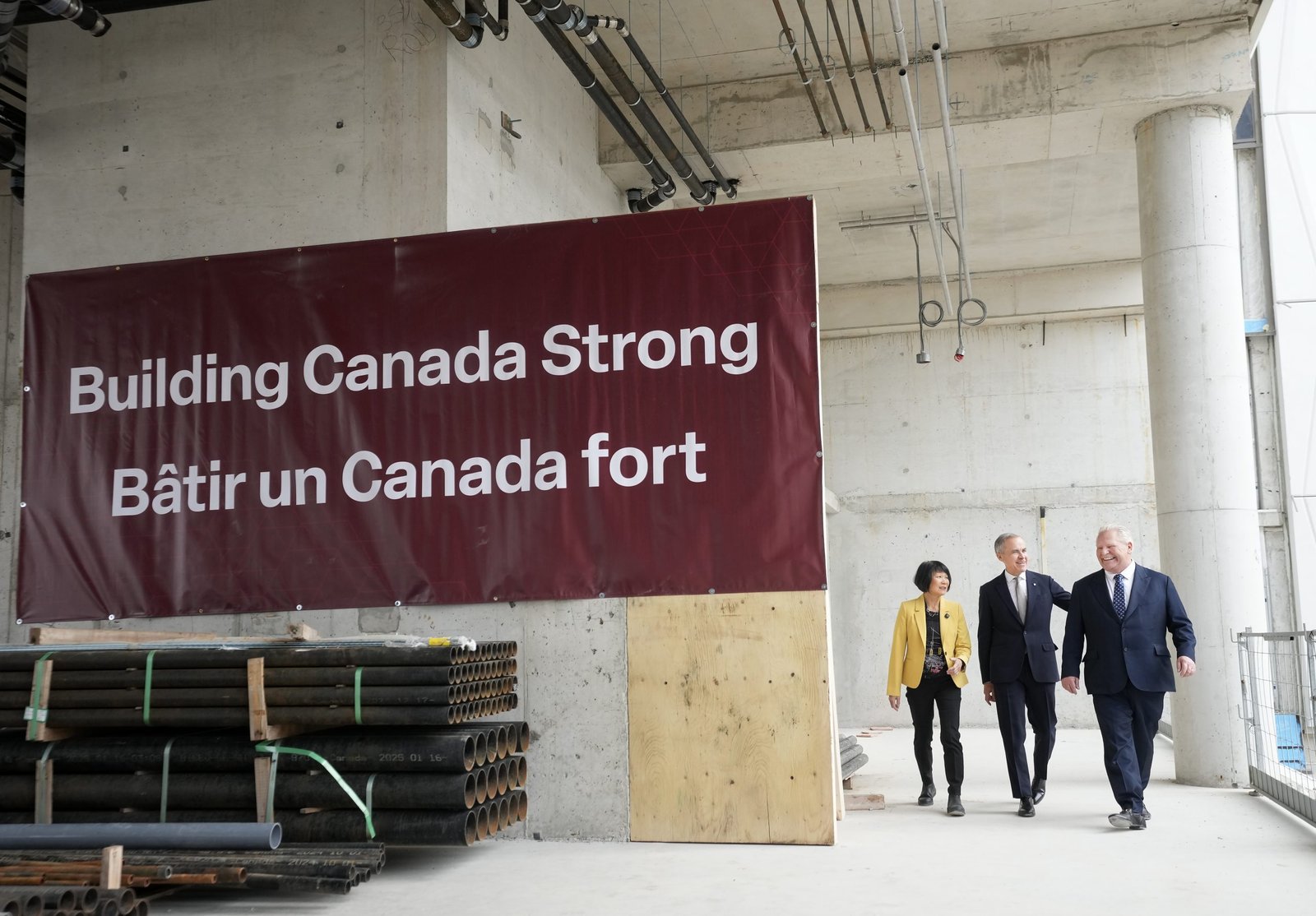
Standing in Toronto on Monday, Prime Minister Mark Carney and Premier Doug Ford announced a joint $8.8 billion commitment to offset municipal development charges, a fee widely blamed for driving up the cost of new housing.
The federal and Ontario governments are pitching a multi-billion dollar plan to lower the upfront cost of building homes, but key questions remain about how the program will work in practice, and whether municipalities will fully buy in.
Standing in Toronto on Monday, Prime Minister Mark Carney and Premier Doug Ford announced a joint $8.8 billion commitment to offset municipal development charges, a fee widely blamed for driving up the cost of new housing.
Under the plan, both governments will each contribute $4.4 billion over the next decade through Ottawa’s new Build Communities Strong Fund. The funding is designed to allow municipalities to cut development charges by up to 50 per cent for three years, while still receiving replacement revenue from senior levels of government.
But experts say the effectiveness of the plan will hinge on the fine print much of which has yet to be released.
How the funding is supposed to work
At its core, the program is structured as an offset model. Municipalities that reduce development charges would receive equivalent funding from the province and federal government, theoretically leaving them financially whole.
“That’s my understanding: if a municipality cuts development charges by, say, $50,000 per unit, they would get that $50,000 back from governments when a home is built,” said housing expert Mike Moffatt.
But that model depends on construction actually happening.
Unlike other federal housing programs that reward policy changes on paper, this funding is tied to housing starts. If municipalities make it difficult to build, they risk losing out on the money altogether.
“That creates a built-in incentive,” Moffatt said. “If homes don’t get built, municipalities don’t get paid.”
Unanswered questions on what gets covered
Despite the headline number, governments have yet to clarify what exactly the 50 per cent reduction applies to.
Development charges vary widely and can include fees tied to transit, roads, water infrastructure, and community amenities. It’s still unclear whether the reduction will apply universally across all types of charges, or be limited to specific categories like transit or wastewater infrastructure.
That distinction could have major regional implications.
“If most of the funding goes toward transit-related charges, then most of the benefit flows to places like Toronto or Ottawa,” Moffatt said. “How they structure it will determine who actually benefits.”
There is also uncertainty around what types of housing qualify. While the federal government has recently prioritized rental construction, it has not confirmed whether this program will apply equally to ownership housing, such as condos or single-family homes.
“That’s incredibly important,” Moffatt added. “If it only targets rental, it doesn’t address concerns from younger buyers who feel locked out of homeownership.”
Risk municipalities could opt out — or work around it
A central feature of the plan is that municipalities can choose whether to participate, a decision that has raised questions about whether enough cities will sign on.
Asked why the province did not impose stricter requirements, Ford said the government is deliberately taking an incentive-based approach rather than forcing municipalities to comply.
“I want them to go out there voluntarily and cut the DCs,” Ford said. “I tried putting down the hammer a few years ago… that didn’t work too well.”
Instead, he said the province is offering what he described as a “carrot:” billions in infrastructure funding to offset the lost revenue.
“You come to the table, and we’re going to give you the infrastructure you need, water, wastewater, whatever it might be and save the taxpayers in your community a tremendous amount of money,” he said.
Ford added that some municipalities have already signalled interest in participating, and pointed to transparency measures, including requiring development charges to be disclosed on new home purchase agreements, as a way to build public pressure on cities to lower fees.
“If a city is putting 40 per cent fees on a home, the buyer’s going to know,” he said. “It’s going to be as clear as day… and hopefully municipalities will lower those fees by at least 50 per cent.”
He also argued that shifting infrastructure funding to the province and federal government creates the fiscal room for municipalities to reduce charges.
“If those infrastructure costs are covered… then we can turn around and say to developers, we don’t need to charge you all these development charges,” Ford said, pointing to costs tied to roads, transit, parks and community facilities.
But what prevents cities from cutting development charges, only to increase other costs like permit fees or community amenity charges?
So far, governments have signalled that conditions will be attached, including requirements for municipalities to update development charge studies and infrastructure plans, but have not detailed enforcement mechanisms that would prevent them from hiking other taxes.
Moffatt argues strong guardrails will be essential.
“They need to clearly say you can’t just shift costs elsewhere,” he said. “Otherwise, you’re not actually lowering the cost of building.”
The development charge reduction is time-limited, lasting just three years, even though the funding stretches over a decade.
Moffatt pointed to broader issues with how municipalities fund infrastructure, largely through upfront fees on new housing, as a structural problem that remains unaddressed.
“For now, this is moving money from one pot to another,” he said. “The real test is whether governments use this window to reform the system longer-term.”
Where the HST fits in
The announcement also builds on a separate measure unveiled last week to remove the provincial and federal portions of the HST on eligible new homes for one year.
That policy applies to new homes valued up to $1 million, with partial rebates extending to higher price points, and is expected to deliver billions in tax relief.
However, it does not directly remove HST from development charges themselves, another area where details remain unclear.