dailynewsnblog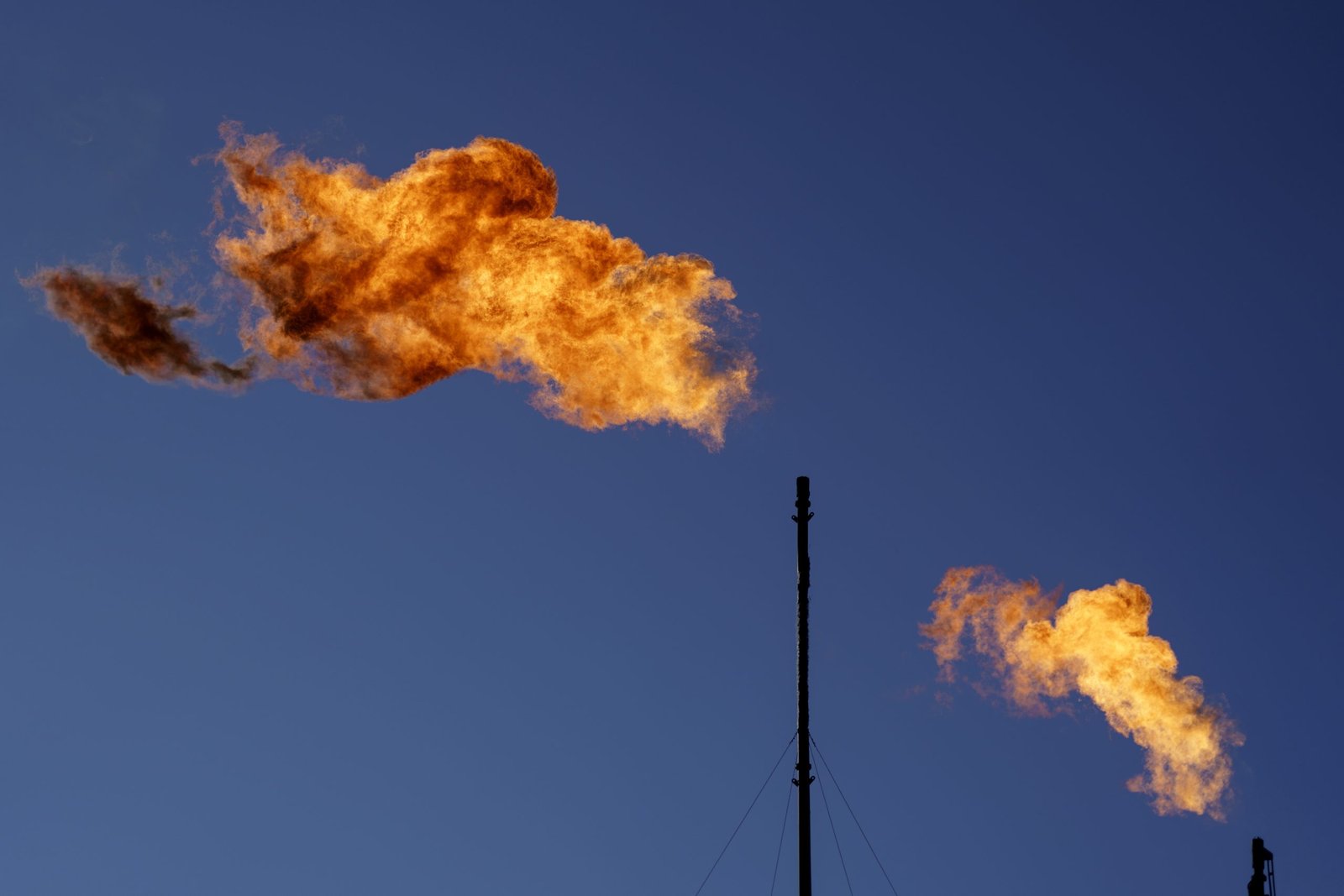
A draft equivalency agreement with more details is set to be released later this year, but the broad outlines published Wednesday lock in a five-year extension for the province to meet national standards.
Ottawa is letting Alberta take the reins on methane as long as the province achieves a 75 per cent reduction by 2035.
The federal government released an ‘agreement in principle’ for an equivalency process on Wednesday, about a week before the deadline set out as part of last fall’s Ottawa-Alberta pipeline deal.
Both governments agree to publish a more detailed draft agreement later this year.
The deal represents somewhat of a concession for Ottawa, as Canada is committed to reducing methane emissions by 72 per cent by 2030 (compared to 2012 levels). The feds hope to achieve an additional three per cent reduction through technological innovation.
With Alberta—a heavyweight in methane emissions—officially receiving a five-year extension, it will be significantly harder for the federal government to meet its own national targets.
In the agreement in principle, Ottawa agrees to step down its regulations in Alberta, handing the province the lead on this issue.
The governments plan to hire an independent third-party to conduct methane modelling and analysis.
In the deal, Alberta commits to take “the necessary corrective actions” should third-party analysis determine methane emissions are too high.
The province relies on a performance-based approach to reduce emissions, which includes regulations, offset credits and investments.
Think tanks like the Pembina Institute have criticized Alberta for significantly underestimating emissions levels, saying the province relies on obsolete techniques self-reported by industry.
A recent report also pointed to major discrepancies between Alberta’s numbers and those in federal, peer reviewed national emissions inventories.
The agreement does not indicate if Alberta plans on banning venting as part of its approach. That is the practice of releasing unburned methane gas directly into the atmosphere for operational and safety reasons.
The federal government’s methane regulations involve the near-elimination of venting by 2030, with limited exceptions for emergencies.
Emitters can also choose alternative approaches, as long as they present credible evidence showing they are meeting the federal standard.
Critics have said granting Alberta five more years to achieve emissions targets could open the door for more provinces to request a similar carve out.
The agreement on methane is one of the four deals Alberta and Ottawa aimed to reach by April 1 as part of a Memorandum of Understanding that paves the way for a new bitumen pipeline.
One of the deals on impact assessment for projects was achieved earlier in March.
The more contentious ones on carbon pricing and funding for the Pathways carbon capture project are unlikely to materialize before the deadline, according to Alberta Premier Danielle Smith.