dailynewsnblog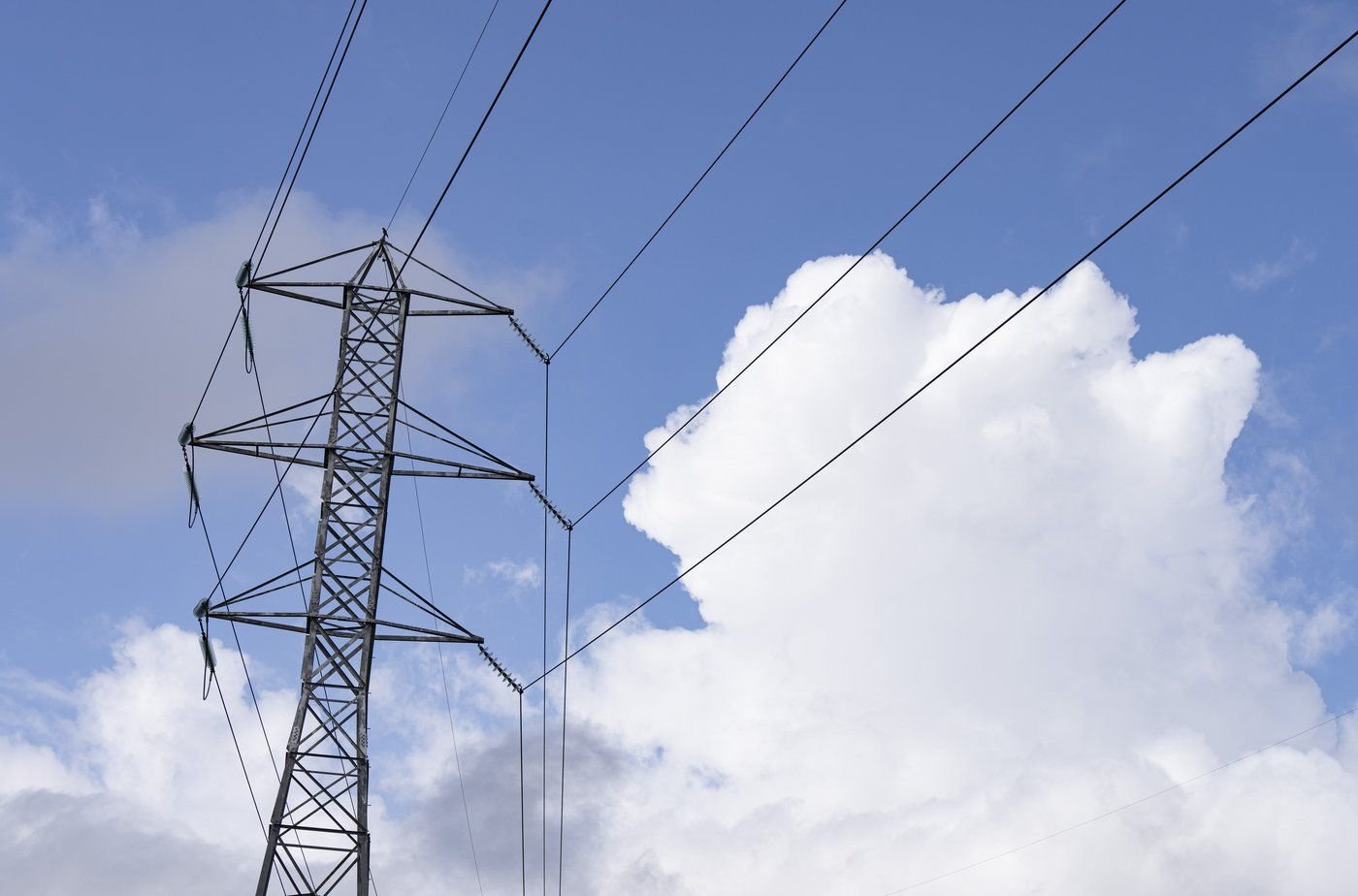
Electricity is not simply consumed by the economy, it enables it. Our competitiveness, resilience, and future prosperity depend on understanding this distinction and acting on it.
Ontario is presently undertaking generational electricity investments, moving an already robust electricity system towards what Premier Ford has branded an energy superpower. Conversations surrounding these investments are increasingly being framed through the lens of cost alone. This view, however well-intentioned, is short-sighted and strategically flawed.
Energy is much more than an input into the economy; it is the system that enables the economy to operate at all. As long-term infrastructure, its returns compound over decades by contributing to competitiveness and resilience. Bold investments in energy assets are essential to Ontario’s economic growth and its position in an increasingly uncertain global market.
In the 1960s and 1970s, the province made deliberate, largescale investments in power generation facilities. Those assets powered an era of industrial expansion, productivity growth, and broad-based prosperity. Manufacturing intensity was high, energy was dependable, and businesses had confidence that the system would meet their needs. More recently, the pace of electricity infrastructure growth has slowed, as has the growth of the economy. Economic outcomes tend to follow the strength of the power system.
Today, Ontario’s energy outlook is once again defined by demand and opportunity. This winter, extreme cold conditions resulted in high electricity demand and upward pressure on prices. At the same time, new large commercial and industrial loads, including electric vehicle supply chains, steel decarbonization projects, and energy-intensive data centres are seeking connections to the grid.
Generational opportunities are once again before us, from nuclear refurbishments and new reactors to hydro, renewables, natural gas and transmission expansion plans. These opportunities can continue the tradition of electricity as an enabler of economic growth and prosperity in Ontario.
Trade is a fundamental component of this. Interprovincially, Ontario’s strong baseload system enables electricity export to Quebec and Manitoba. Internationally, Ontario is Canada’s largest electricity exporter, supplying Michigan, New York, and Minnesota through grid interconnections that support millions of homes and businesses. In 2024 alone, Ontario exported more than 19 TWh of electricity to the U.S.
From an economic perspective, the U.S. and Canadian electricity systems remain deeply linked. That interdependence creates political, economic, and market leverage – a strategic asset seen amid the volatility of the past year. This demand from other jurisdictions demonstrates there is a market for Ontario power, and large-scale investments will determine whether the province can reliably capture that value over the long term.
In a similar vein, sufficient electricity generation and grid capacity help attract major industrial investment. Sectors such as manufacturing, mining, transportation, healthcare, commercial real estate, and advanced technology all depend on reliable, affordable, sustainable, and secure electricity. As energy certainty increasingly becomes a core competitiveness factor in investment decisions, Ontario’s diversified energy mix offers a strategic advantage, but only if we continue to invest. Failing to add capacity risks undermining the very conditions that have driven billions of dollars in manufacturing and industrial commitments.
It is also becoming increasingly apparent that we cannot rely on others to provide for our needs. The implications of global uncertainty and shifting economic relationships mean that Ontario, like the rest of Canada, must decide how to secure reliable electricity and sustain domestic employment. Electricity infrastructure projects do both.
As in the past, major infrastructure undertakings were built, maintained, and expanded over generations, representing prudent risk taking, reward in the form of reliable power as an essential public service, and a legacy of investment that leads to durable domestic employment.
Power generation facilities are major employers, investors, taxpayers, and partners in local and Indigenous communities. Investing in them strengthens our ability to meet future demand while anchoring skilled trades, engineering, and manufacturing jobs at home. This preserves talent, supply chains and the province’s long-term industrial capacity, all contributing to our resiliency amid ever-changing global dynamics.
The scale of investment required over the coming decades is undoubtedly significant, and it must be carefully managed. It is appropriate to insist on discipline and alignment with affordability objectives. However, this discipline should not be confused with hesitation. Delaying investment pushes costs into the future, can require rushed or more expensive solutions if shortages emerge, and increase the risk of congestion and reliability issues. Proactive planning and investments mitigate these risks.
Ontario can recognize electricity as a strategic economic asset and invest accordingly, or it can assume the system will adapt on its own. History shows which approach delivers prosperity. Electricity is not simply consumed by the economy, it enables it. Our competitiveness, resilience, and future prosperity depend on understanding this distinction and acting on it.
Colin Anderson is president & CEO of the Association of Power Producers of Ontario.
The views, opinions and positions expressed by all iPolitics columnists and contributors are the author’s alone. They do not inherently or expressly reflect the views, opinions and/or positions of iPolitics.