dailynewsnblog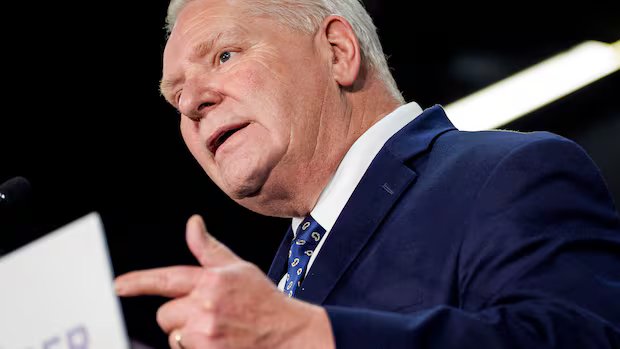

Listen to this article
Estimated 4 minutes
The audio version of this article is generated by AI-based technology. Mispronunciations can occur. We are working with our partners to continually review and improve the results.
The Ontario government is planning to outlaw sky-high ticket resale prices, according to a news release.
“We’re putting ticket scalpers on notice: Your days of ripping people off are done,” said Ford on social media Friday.
The province is proposing amendments to the 2017 Ticket Sales Act — introduced by the former Liberal government — that would make it illegal for live event tickets to be re-sold for more than their original cost.
The cap would apply for anyone reselling a ticket and any platform facilitating the exchange.
The move comes years after the Ford government scrapped part of an anti-scalping law in 2019 that would have capped ticket resale prices at 50 per cent above the original face value.
“We are taking action to help ensure Ontario fans have access to fair resale prices and are not exploited by price gouging when they buy resale tickets for their favourite events,” said Stephen Crawford, minister of public and business service delivery and procurement, in the release.
The Ford government is also proposing to strengthen requirements against the sale of fake tickets and to create new policies that could stop unfair service charges.

We’re a little more than six months away from the FIFA World Cup games and fans are already battling eye-popping resale costs. CBC’s Julia Knope breaks down what you need to know about securing yourself tickets — and why a lack of scalping regulations in Ontario could mean you’re paying a high premium.
Ford walked back resale stance last year
The original legislation put forth by the Ontario Liberals was called “unenforceable” and just “a nice soundbite” by former government and consumer services minister Bill Walker in 2019.
But Ford walked back this stance last year amidst sky-high prices for the World Series in Toronto, and said he would review the legislation.
“They’re gouging the people,” Ford said in October. “We have one player in the market that controls the tickets, that’s not right for the people.”
Both the Liberals and NDP also urged the province to take action. The Liberals even put forward a bill last year to bring back the original resale price cap.
“If the Premier brings back the cap on resale tickets, it’ll be his best flip-flop yet,” said Ontario Liberal critic for tourism and culture Rob Cerjanec in an October media release.
Transportation Minister Prabmeet Sarkaria said at an unrelated news conference Friday that Ford has “always been on the side of consumers” and wants “fairness in the secondary market.”
He said scalpers use bots and AI software to purchase large numbers of primary tickets once they’re released and then sell them at “exorbitant” prices. The province’s plan will “curb” that issue and people exploiting the market, said Sarkaria.
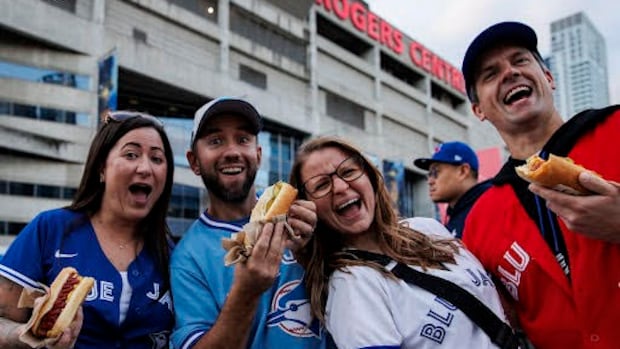
Baseball fans are set to bring their energy, and their wallets, to Toronto to see the Blue Jays play the first two games of the World Series. CBC’s Marianne Dimain and Meagan Fitzpatrick report on how much tickets and merch are going for.
Cap will ‘make things worse’ for fans: SeatGeek VP
Without the cap, there is no restriction on resale prices for sites like Ticketmaster, StubHub and SeatGeek.
Tickets at high-demand events, like Taylor Swift’s Eras Tour or the World Series, went for thousands of dollars in Toronto much to the disappointment of fans.
Price controls will only “make things worse” for fans through higher base prices or fees buried in the transaction, said SeatGeek’s vice president of government affairs Joe Freeman in a statement.
“When resale is artificially capped below market value, tickets migrate away from transparent, regulated platforms and into informal channels where consumers have no recourse if something goes wrong — fraud increases and fan protections disappear,” he said.
Freeman said the province instead should introduce policies that expand competition and strengthen consumer protections.

Those concerns were echoed in a statement from Jay Goldberg, Canadian affairs manager at Consumer Choice Centre.
He called on the province to cancel plans for a cap, warning that companies like Ticketmaster and its owner, Live Nation Entertainment, have a monopoly over the primary market for ticket sales.
Without any resale competition, those original ticket prices could increase, he said.
In October, Ticketmaster vowed to crack down on scalpers following a U.S. Federal Trade Commission lawsuit filed in September.
Ontario is now following the lead of Quebec’s proposed legislation and a ban in the U.K. last year.
Under Quebec’s bill, resale prices could not exceed the original price unless authorized by the event’s producer.