dailynewsnblog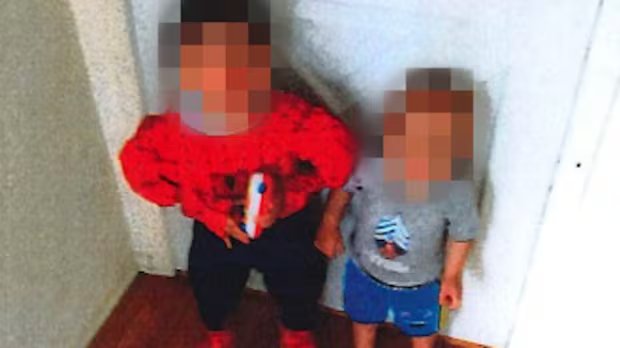
A 12-year-old boy, found unconscious and emaciated in a puddle before dying in hospital. Brothers, forced to sleep in a mesh tent, zip-tied to their clothes. Audio recordings and text messages from would-be adoptive parents, calling the kids “f–kface,” “loser” and “dumb brat.”
Chilling details have come to light in the trial of Becky Hamber and Brandy Cooney. The Burlington, Ont., couple have been charged with abusing two Indigenous brothers they were in the process of adopting and murdering the older boy, known only as L.L., who died on Dec. 21, 2022. They have pleaded not guilty to all charges.
Closing submissions wrapped up on Friday in the judge-only trial that has been ongoing since September. As the couple await their verdict, child welfare advocates say the case has made evident shortcomings in the youth protection system in Ontario.
They say it also highlights systemic failures seen across Canada.
“Sometimes when we see the headlines, we focus on the offenders’ behaviour as being so reprehensible,” said Cindy Blackstock, an Ottawa-based First Nations child advocate.
“But what we need to do is knit together these cases to see the patterns.”

Closing arguments are underway in the case of two would-be adoptive parents facing first-degree murder and other charges. The case in Milton, Ont., has raised questions about why the boy and his brother remained in their care despite numerous red flags raised by professionals. The case has advocates calling for urgent changes to the child welfare system.
No national registry
The two boys were wards of the Children’s Aid Society (CAS) in Ottawa, but supervised by the Halton CAS after they were moved to Burlington in 2017.
In the five years they lived with Hamber and Cooney, there were at least a half-dozen reports to the CAS about suspected abuse. Despite that, CAS workers never spoke to the kids alone, nor did they conduct an in-person surprise visit, the court has heard.
There have been several high–profile cases across Canada of children dying while being followed by the youth protection system, meaning a child welfare system has received reports about the child’s safety in the past, or has previously interacted with the child and the family.

But we don’t have an official count of them across Canada — and each jurisdiction has a different way of monitoring these deaths.
CBC News reached out to every province and territory to ask if and how they track those numbers. Every province that responded said it does — but some, like Ontario, Quebec, P.E.I. and Nunavut, would not share the number of deaths in 2025. P.E.I. and Nunavut said releasing the information could mean identifying people, due to their small number of child and youth deaths. Quebec’s coroner’s office said it doesn’t yet have a comprehensive picture of last year’s figures. Ontario didn’t answer questions about why it wasn’t publicizing its 2025 data.
The Northwest Territories and Yukon did not respond to CBC’s inquiries by deadline.
This latest case makes clear that this patchwork tracking is not enough, said Cheyanne Ratnam, who grew up in the child welfare system and now works as a child rights advocate.
“We need some sort of registry to show these things, because numerically, it provides more evidence of why the system needs transformation,” said Ratnam.
A national registry would help identify patterns to figure out why these deaths happen, she said — and what should be done about them.
“One death is too many, if this is a system that’s supposed to take care and provide safety for every person they take away from their family or their community of origin.”
What guardrails failed?
Transparency is also crucial, advocates say.
Both the Ottawa and Halton CAS have said they have completed reviews for the Hamber/Cooney case and made changes, without specifying what they were. When asked to clarify, both offices declined to comment, saying the matter is currently before the courts.
That makes it impossible for the public to know what guardrails failed and which led to L.L.’s death, says Irwin Elman, who served as Ontario’s independent watchdog for the child welfare system from 2008 until the role was abolished in 2019 as part of budget cuts.

That includes details like how many times the CAS visited the boys, or whether they took what the children said seriously.
“An investigation would show this,” he said.
Elman points out that in Ontario, a mandatory coroner’s inquest is triggered when an inmate dies in prison, but not when a child dies in foster care.
He wants that to change and for the results of ensuing investigations made public.
‘The solutions are already there’
This case involving the two Indigenous boys also brings home the need to implement the first five calls to action from the Truth and Reconciliation Commission of Canada. They focus on repairing the child welfare system, which many Indigenous people see as a continuation of residential schools, said Blackstock.
The recommendations include monitoring and assessing neglect investigations, as well as doing more to keep Indigenous families together when it is safe to do so.
“Survivors told their truth through their tears so that their grandchildren wouldn’t have to go through it,” Blockstock said.

Indigenous children are hugely overrepresented in Canada’s youth protection system, making up nearly 54 per cent of those in foster care — even though only 7.7 per cent of all children aged 14 and under are Indigenous.
The proportion of Indigenous kids in private-household foster care has increased over the past decade, from 47.8 per cent of all foster kids in 2011 to 53.7 per cent in 2021, according to a 2024 report from Statistics Canada. The highest disparity was seen in the Western provinces, particularly in Alberta.
“We see the same recommendations, decade after decade. Where we fall short is implementing those recommendations,” Blackstock said.
She said governments need to do more than internal reviews, and make changes that are structural and significant, not just cosmetic. Otherwise, she says, this pattern will continue, and there will be more deaths.
“And the biggest price is paid by children, who pay with their lives and their childhood.”