dailynewsnblog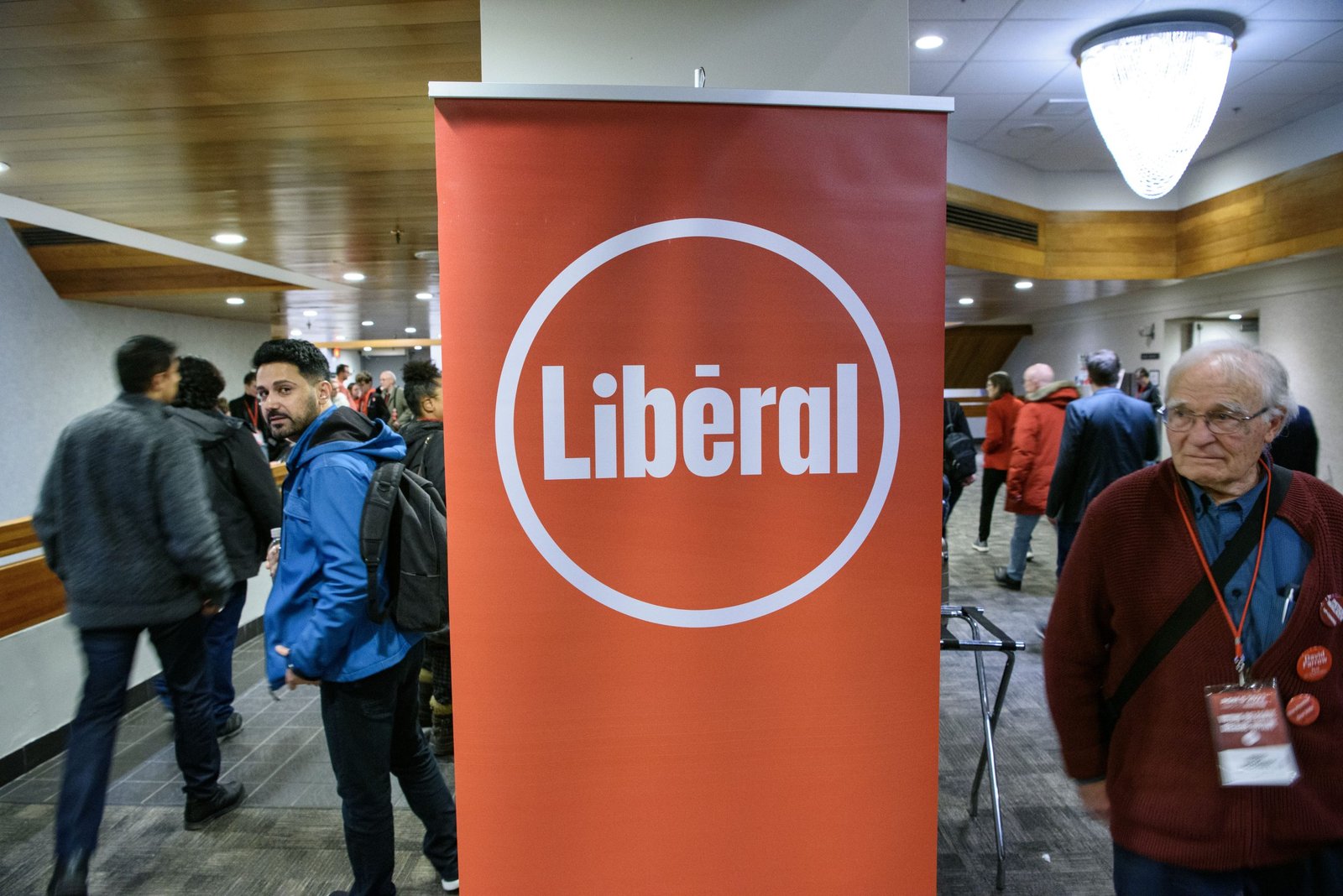
Unlike the federal Liberals’ leadership election, no changes were made to who could cast a ballot, meaning non-citizens and people in Canada on student or work visas are all eligible, per the party’s constitution.
Over the weekend, the Ontario Liberals released the long-awaited rules for the party’s leadership race such as fundraising targets and the deadline to register as a member to vote.
But unlike the federal Liberals’ leadership election, no changes were made to who could cast a ballot, meaning non-citizens and people in Canada on student or work visas are all eligible, per the party’s constitution.
The 2024 public inquiry into foreign election interference said China, one of three countries flagged for attempting to interfere in Canada elections, uses international students, as well as diplomatic missions, community organizations and private individuals, to “carry out its transnational repression activities.”
The inquiry said China targets members of Chinese Canadian diaspora communities for the “purposes of repression, influence and forced return of targeted individuals” to its territory.
Michelle Tessier, who served as Deputy Director of Operations at the Canadian Security Intelligence Service (CSIS) from 2018 to 2023, said candidate selection and leadership contests were identified during the inquiry as particularly vulnerable points in the political system.
“I do think it’s concerning,” Tessier said of parties continuing to allow non-citizens to vote in internal leadership races.
She pointed to the inquiry’s findings around the difficulty of verifying residency and the increased risks associated with transnational repression, where foreign nationals may face coercion or threats from hostile state actors.
“In terms of the vulnerability around being able to confirm somebody’s residence, the risk of foreign nationals being subject to transnational repression, which is, you know, the coercion or threats, to have them to vote a certain way. Now, granted that can happen to Canadians citizens as well who may have family overseas. (…) but it does increase the vulnerability,” she said.
“Given that it was indicated in the recommendations of the commission, it would certainly be encouraging to see steps being taken to follow those recommendations,” she added.
Nate Erskine-Smith, the only candidate to officially enter the leadership race, didn’t respond to a request for comment prior to deadline on Wednesday.
A spokesperson for his campaign refused to comment.
Under the party’s constitution, all party members can vote in the leadership election, as well as anyone in the Ontario Young Liberals student club and a women’s Liberal club.
Anyone can join the party as a member as long as they’re 14 or older and a resident of Ontario.
But only Canadian citizens can vote in provincial and federal elections.
Liberal leadership race to conclude on March 9
The federal Liberals allow non-citizens to join as members. But only citizens and permanent residents could vote in last March’s leadership race amidst concerns around the possibility of foreign election interference.
That meant international students or temporary foreign workers couldn’t cast ballots.
The federal Liberals were still reeling from allegations of foreign interference in a 2019 nomination race in a Toronto riding, ultimately won by Han Dong.
It was reported that international students were bussed in to vote, though Dong denied his campaign arranged it.
The inquiry said the incident showed that nomination contests “may be gateways for foreign states that wish to interfere in our democratic processes.”
Ontario’s Liberals don’t have similar restrictions.
Under the party’s constitution, individuals who live in Canada, regardless of citizenship or permanent resident status, are eligible to register and vote in internal contests. Like other major parties, they also permit individuals as young as 14 to become members.
Dennis Molinaro, a former federal security analyst and now professor at Ontario Tech University, said leadership races should not be dismissed as low-risk simply because they are internal party contests.
“When you’re picking the leader, you’re potentially picking the premier,” he said. “If you don’t have adequate protections against foreign interference in the leadership race, you could end up with a leader that gets influenced by a foreign state actor and becomes a premier.”
Molinaro said that provincial and municipal levels of government can be particularly significant targets because of their direct influence over education, policing and community services.
“Influencing at those levels is actually more detrimental,” he said, adding that foreign actors may seek to build influence from the ground up.
But while Molinaro said the concern is legitimate, he acknowledged the scale of a leadership race makes coordinated interference more difficult than in a riding-level nomination contest.
Azam Ishmael, the federal Liberal Party’s national director, told the inquiry last year that compromising a national leadership vote would require “hundreds of thousands of people working together,” calling that scenario “highly improbable.” A nomination contest, by contrast, could be influenced by only a few hundred coordinated voters.
“The problem is, you could be too late,” Molinaro said. “If you allow an opportunity that a foreign state actor could take advantage of, then you might be dealing with a leader who owes something to somebody else.”
He added that political parties have historically resisted regulation of their internal processes.
“It’s essentially political will,” he said. “It’s not a difficult thing to align your policies with every other election.”
Professor Nelson Wiseman, professor emeritus at the University of Toronto, said parties should align their internal voting rules with those governing public elections.
“I think the parties should use the same rules for voting in party affairs as are the rules to vote in a federal or provincial election,” Wiseman said. “If the rules say you have to be a citizen to vote, that should apply.”
Wiseman said he does not see a clear democratic benefit to allowing non-citizens to vote in party races.
A long-time Liberal organizer, who asked to remain anonymously to speak candidly, defended the Ontario Liberals position, saying it increases participation and engagement and that right now that is what the party needs.
All major federal parties allow permanent residents to vote in at least some internal contests. The federal Liberals were previously the most permissive, allowing anyone residing in Canada to participate.
Defenders of broader eligibility argue it promotes inclusivity and civic engagement, particularly for permanent residents on the path to citizenship.
But critics say party leadership races are not purely private matters. The winner of a leadership contest could become premier or prime minister.
Molinaro said that creates an inconsistency.
“If we’re saying legally that you need to be 18 to vote in an election, a leadership race is an election,” he said. “There’s an inconsistency in saying someone is mature enough to choose a leader, but not to vote in a general election.”
For now, Ontario’s Liberals have not signalled any plans to amend their constitution before selecting their next leader.
A statement from the party said that it has “already taken concrete steps to protect the integrity of the leadership election,” adding that it has implemented a two-step verification for members, as well as making it mandatory that every voter will be required to verify their identity.
“There have been no allegations of foreign interference in past Ontario Liberal Party elections, and party officials have proactively received a briefing from CSIS to ensure we are following best practices,” the statement read.
“(…) Additional measures, including potential constitutional amendments, could be considered at the next Annual General Meeting.”