dailynewsnblog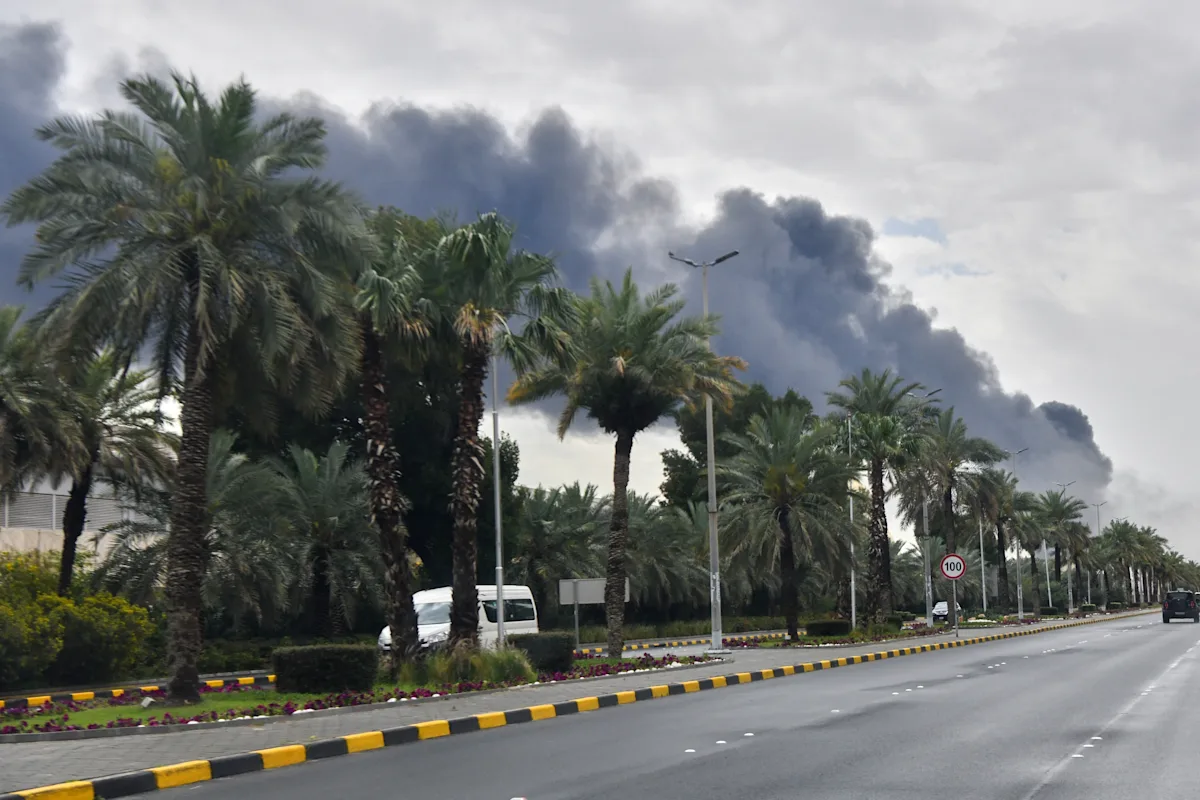
(Bloomberg) — Oil swung at the end of a volatile month, buffeted by a report that President Donald Trump is willing to end US military operations in Iran even if the Strait of Hormuz remains closed and another tanker attack.
West Texas Intermediate pulled back near $103 a barrel after jumping almost 4% following the Iranian attack on a vessel in the Persian Gulf, with the US marker swinging in a band of about $6 earlier in the session. Major oil benchmarks, including Brent crude, remain on track for a large monthly gain.
Trump and his aides assessed that a mission to reopen the strait would push the war beyond his timeline of four to six weeks, according to a Wall Street Journal report, which cited administration officials The president decided that the US should achieve its main goals of crippling Iran’s navy and missile stockpiles, and wind down current hostilities, the newspaper said.
The US president has regularly vacillated between saying an end to the war is near and warning he’s prepared to ramp up military operations. On Monday, Trump said that the US will blow up power plants, oil facilities and “possibly” desalination infrastructure if Iran doesn’t re-open Hormuz.
The war has effectively closed the Strait of Hormuz, choking off supplies of crude, natural gas and products such as diesel to global markets, leading to skyrocketing energy prices and concerns about an inflation crisis. The conflict has extended into its fifth week and attacks by the US, Israel and Iran are ongoing, including the overnight strike on the Kuwaiti tanker.
The Al-Salmi, a fully-laden very-large crude carrier, was hit by Iran in Dubai Port damaging the hull, according to a statement from Kuwait Petroleum Corp. Tehran has regularly targeted ships across the Gulf since the war began, previously attacking two vessels near Iraq.
“The price signals are not adequately reflecting the physical realities on the ground,” said Shaia Hosseinzadeh, chief investment officer at OnyxPoint Global Management. “Now $100 is a sort of purgatory. Too high to be stable, and too low to reflect the scale of this physical disruption.
US crude is up more than 50% this month, the most since May 2020, and the market remains on edge about the buildup of US troops in the region and a possible ground deployment in Iran. Hostilities continued on Tuesday with Israel Defense Forces completing wave of strikes on Iran regime targets in Tehran while Saudi Arabia intercepted and destroyed drones.
Publicly, Trump administration officials are still talking tough on the Strait of Hormuz. Treasury Secretary Scott Bessent told Fox News that the US is “going to retake control” the waterway, ensuring safe navigation “through US escorts or a multinational escort,” reiterating an earlier plan.