dailynewsnblog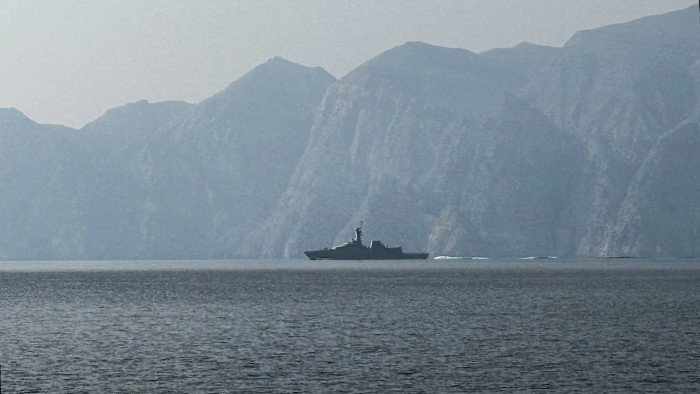
Welcome back to the working week. In today’s newsletter:
-
Oil prices jump as Iran conflict intensifies
-
Barclays blocked transactions linked to collapsed property lender
-
Retail investors shun private credit funds after Blue Owl gating
-
Former Goldman chief Blankfein warns about complacency
We begin in the Middle East, which has been thrust into its widest war in decades after the US and Israel launched attacks on Iran at the weekend, killing its supreme leader Ayatollah Ali Khamenei and prompting a wave of retaliatory strikes from Tehran.
The latest: Israel Defense Forces said it has begun striking Hizbollah targets across Lebanon in response to the Iran-backed group launching drones across the border. Israel’s military has also said it told residents of more than 60 villages in southern and eastern Lebanon to leave their homes in anticipation of further rounds of air strikes.
US-Israeli strikes on the Iranian capital also continued early today. Large explosions were heard in north-western and eastern parts of Tehran.
Donald Trump said the US and Israeli strikes will “continue until all of our objectives are achieved”. The US president also said that the leading candidates to run Iran had been killed during the military operation, complicating efforts by Washington to quickly engineer a political succession in Tehran.
Meanwhile, a British military base in Cyprus has been attacked by a suspected Iranian drone, the defence ministry said today. UK officials said there were no casualties. The strike came an hour after Prime Minister Sir Keir Starmer announced he had granted the US permission to use British bases to launch sorties against Tehran.
Market reaction: Energy prices have surged in the wake of the Middle East conflict. Traffic through the Strait of Hormuz has dried up. Oil prices soared as much as 13 per cent in Asia today. Brent crude, the international benchmark, rose to $82.37 a barrel at the open, its highest price in more than a year, before trimming its gains to 9 per cent.
Futures tracking the S&P 500 and the Nasdaq 100 indicated the indices would drop 1 per cent when Wall Street reopens today. The price of gold jumped 2.6 per cent. Follow our live blog for more.
Read these essential stories to understand the stakes of the conflict:
-
Who rules the Islamic republic? After the killing of Khamenei, the country’s top political and military figures insist a smooth succession process will unfold.
-
Iran’s new retaliation strategy: Tehran has launched constant barrages at Israel designed to stretch air defences while targeting civilian sites in the Gulf.
-
Dispatch from Tehran: Between the sounds of explosions, a normally chaotic city has turned eerily quiet.
-
Opinion: The decapitation of Iran’s leadership has left the regime reeling but does not answer the question of what comes next, writes Gideon Rachman.
Here’s what else we’re keeping tabs on today:
-
Economic data: February manufacturing PMIs are due for the Eurozone, France, Germany, Italy, the UK and the US.
-
Middle power tour: Canadian Prime Minister Mark Carney meets his Indian counterpart Narendra Modi in New Delhi before travelling to Australia and Japan.
Five more top stories
1. Exclusive: Barclays began blocking months ago certain transactions linked to Market Financial Solutions, a UK-based mortgage provider that collapsed suddenly last week amid fraud allegations, before freezing all accounts tied to the company in early January. Read the full story.
2. Wealthy investors who ploughed hundreds of billions of dollars into private credit are pulling back, cutting off a key source of funds that investment giants including Blackstone, Blue Owl and Ares Management have used to fuel growth. Read what the slump spells for the industry.
3. Kyrgyzstan is ready to challenge the EU in court if the bloc imposes sanctions on the Central Asian state over its alleged exports to Russia, a senior minister has said, in the first big test of Brussels’ ability to prevent dual-use goods leaking through its sanctions regime.
-
Russian paramilitaries: Branding these networks as foreign terrorist organisations will not work on its own, writes Candace Rondeaux, professor at Arizona State University.
4. Moeve, the $12bn energy group owned by the United Arab Emirates’ Mubadala and US private equity firm Carlyle, will confirm today that its board has authorised the first phase of what it says will be Europe’s largest renewable hydrogen plant, boosting a sector that has suffered setbacks.
5. Zambia is refusing to pick sides in the race between global powers for critical minerals, its leader said. President Hakainde Hichilema argues that resource-rich African countries should resist pressure to align politically in exchange for investment because they are in strong negotiating positions.
Interview

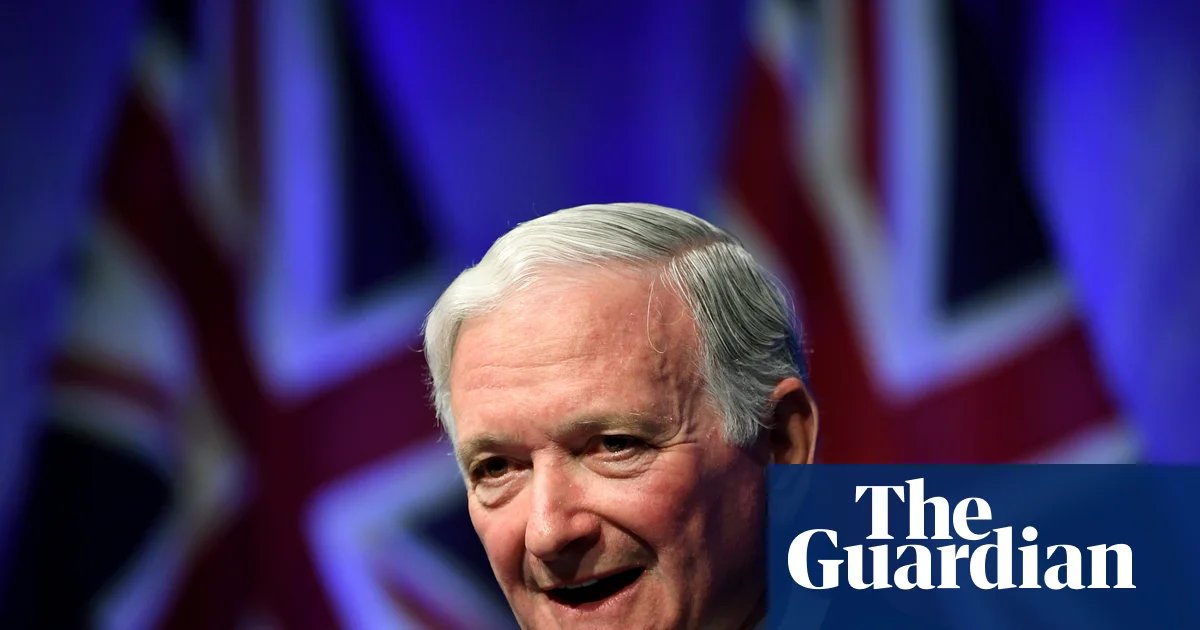
Lloyd Blankfein, who led Goldman Sachs during the 2008 financial crisis, has warned that the lack of a “shakeout” since then means people had “got more complacent”. Read more remarks from the former bank chief.
We’re also reading . . .
-
UK outlook: Chancellor Rachel Reeves is set to announce her spring economic statement tomorrow against a backdrop of war in the Middle East. Here’s what to expect.
-
Power puzzle: Why are British electricity prices so high, and is this temporary or a permanent block on the road to clean energy? Martin Wolf finds out.
-
Falling out: Pakistan has long nurtured the Taliban, but Islamabad now views the Afghan Islamist group as its chief security threat.
Chart of the day
Trump has repeatedly rebuked his predecessors for their foreign misadventures. But the US president’s newly rebranded Department of War has been busier during the past 12 months than in his entire first term. Our visual story details Trump’s pivot to military interventionism.

Take a break from the news . . .
Most workout wear that clings to our skin is laden with chemicals. Laboratories are concocting ideas to bring alternatives to market.