dailynewsnblog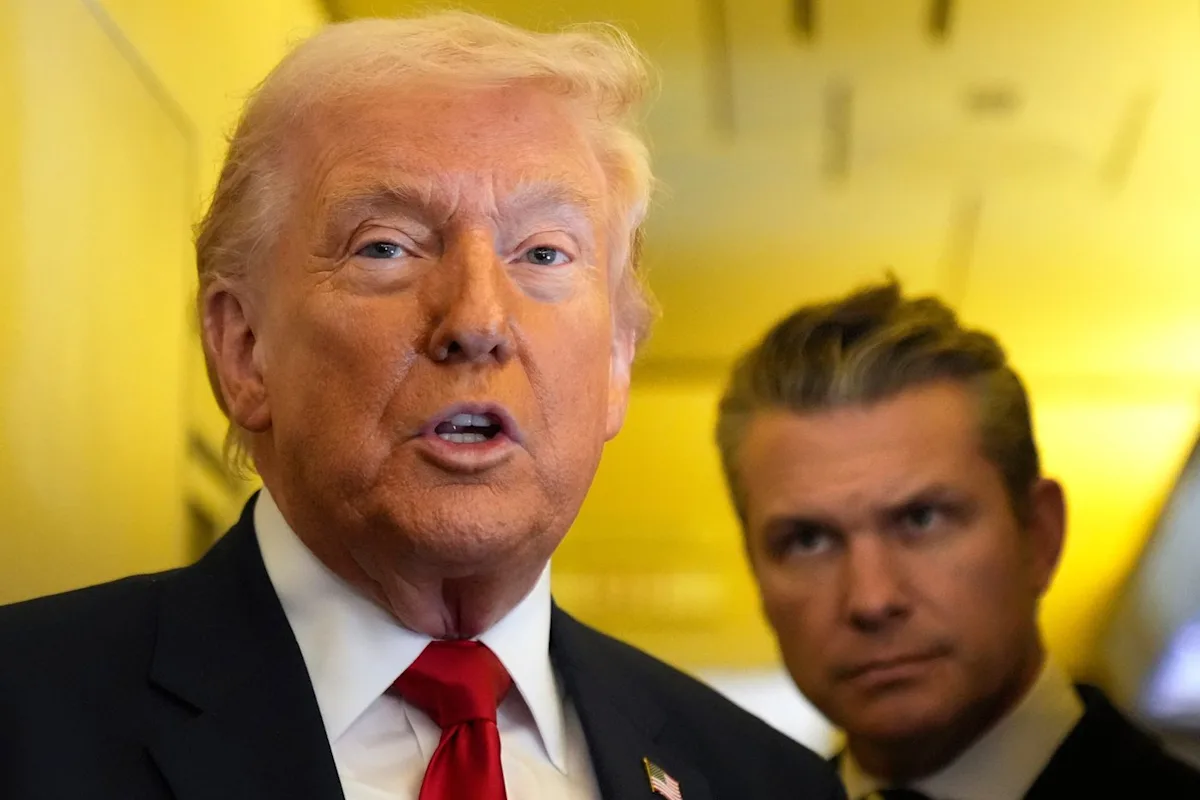
NEW YORK (AP) — Oil prices have soared in the week since the U.S. and Israel launched their war against Iran, but President Donald Trump on Saturday downplayed the idea of turning to America’s Strategic Petroleum Reserve to ease the pressure.
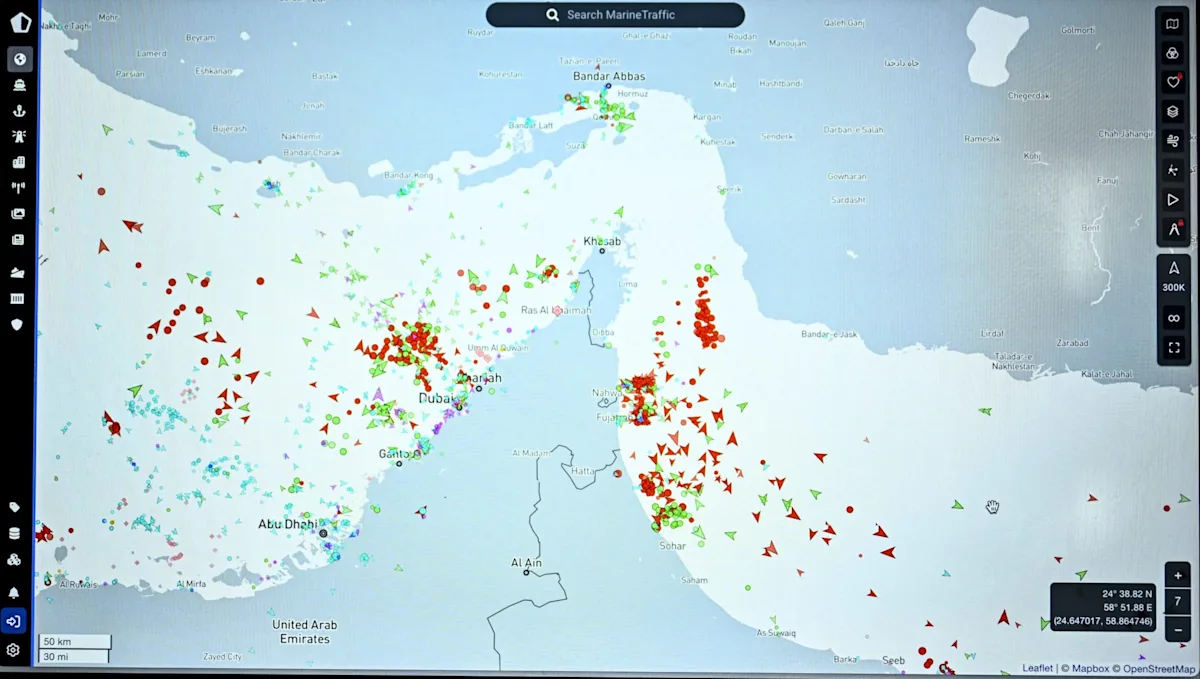
Trump was asked by reporters on Air Force One about whether he would consider tapping the reserve. As the war continues to escalate across the Middle East, including in areas critical to the production and movement of oil and gas, that’s strained the energy sector globally. In the U.S., consumers are already facing higher gas prices, a key cost of living.
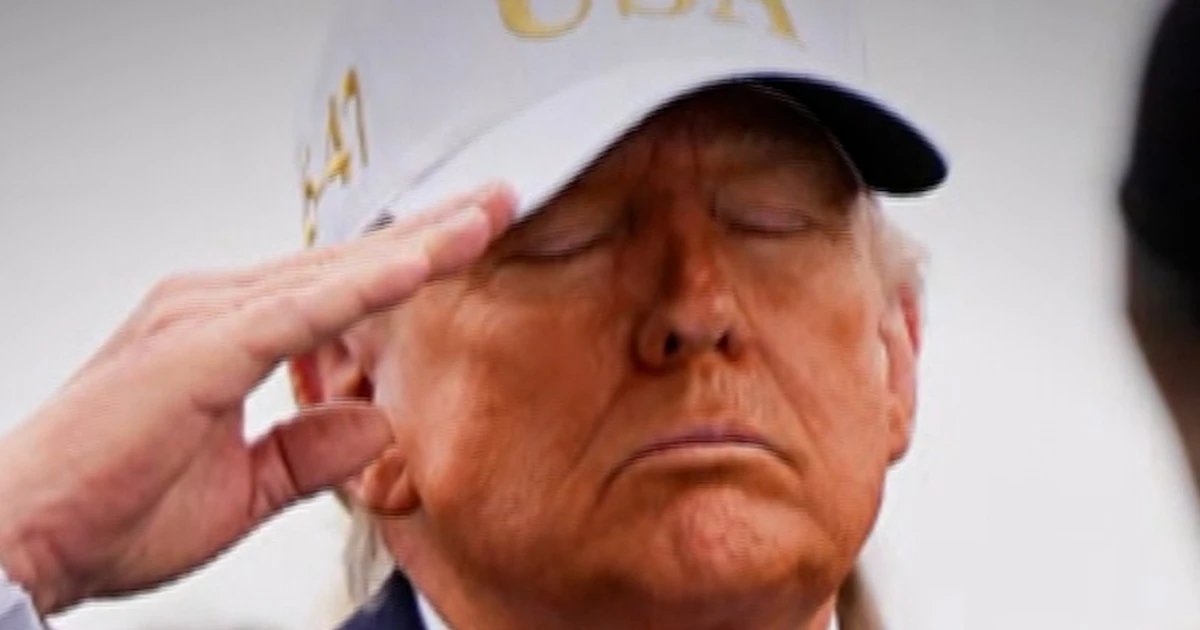
“We’ve got a lot of oil. Our country has a tremendous amount,” Trump said. “There’s a lot of oil out there. That’ll get healed very quickly.”
Trump’s Republican Party is under pressure over the issue of affordability ahead of November midterm elections. Tapping the reserve is among the few things a president can do on his own to try to make an impact on oil prices.
Here is a look at what would be involved:
What is the Strategic Petroleum Reserve?
The Strategic Petroleum Reserve is a collection of underground salt caverns in Texas and Louisiana that can hold more than 700 million barrels of oil, although it is not currently full. The reserve held more than 415 million barrels as of the end of last month, up from about 395 million barrels at this time in 2025, according to the U.S. Energy Department.
The reserve was created after the 1970s Arab oil embargo to give the United States a supply that could be used in an emergency. The amount of oil inside peaked more than a decade and a half ago, Energy Department data shows, when the reserve held more than 726.6 million barrels at one point.
How is it used?
Today, the U.S. exports more petroleum than it imports. But the reserve remains and has been tapped for various reasons over time, from offsetting the impact of hurricanes and ship-channel closings to raising money for deficit reduction.
Former presidents have turned to the reserve amid supply disruptions spanning from geopolitical conflicts, adding more supply onto the market in the hope of pushing prices lower. President Joe Biden drew significantly from the reserve in 2022 following Russia’s invasion of Ukraine, dropping the stockpile to its lowest level since the 1980s. Back in 1991, President George H.W. Bush also authorized withdrawing nearly 34 million barrels during the Gulf War, although only 17 million barrels were used. And in 2011, President Barack Obama approved the release of 30 million barrels to offset the disruption of supply from Libya.