dailynewsnblog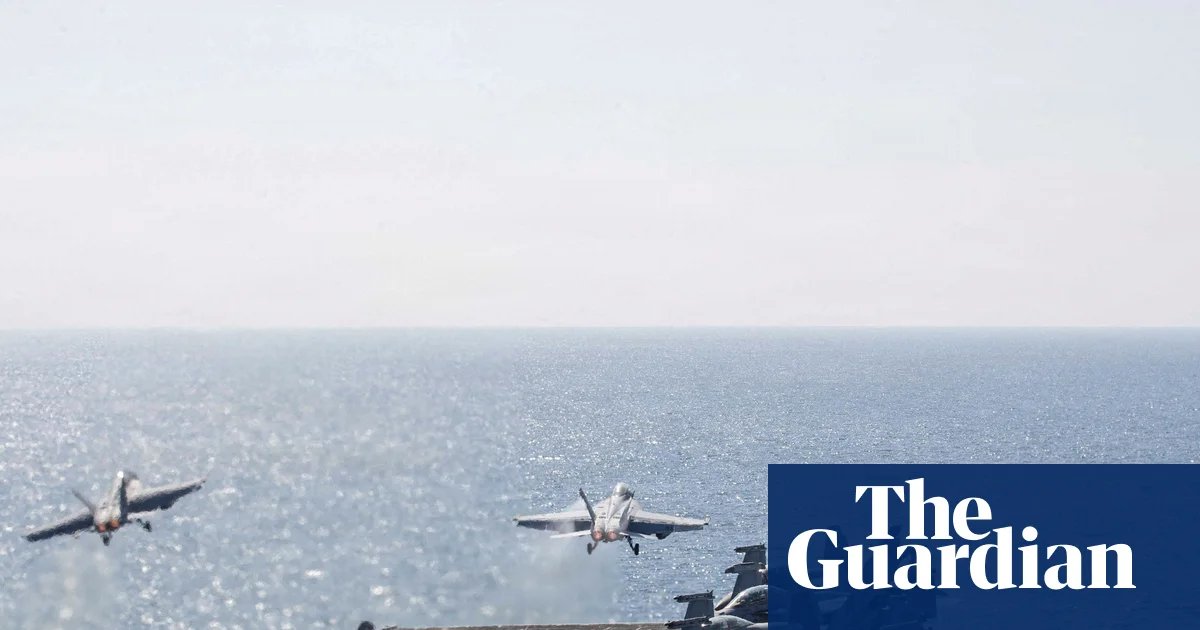
Oil prices have jumped back above $100 a barrel after weekend talks between the US and Iran ended without an agreement and Donald Trump imposed a blockade of the strait of Hormuz.
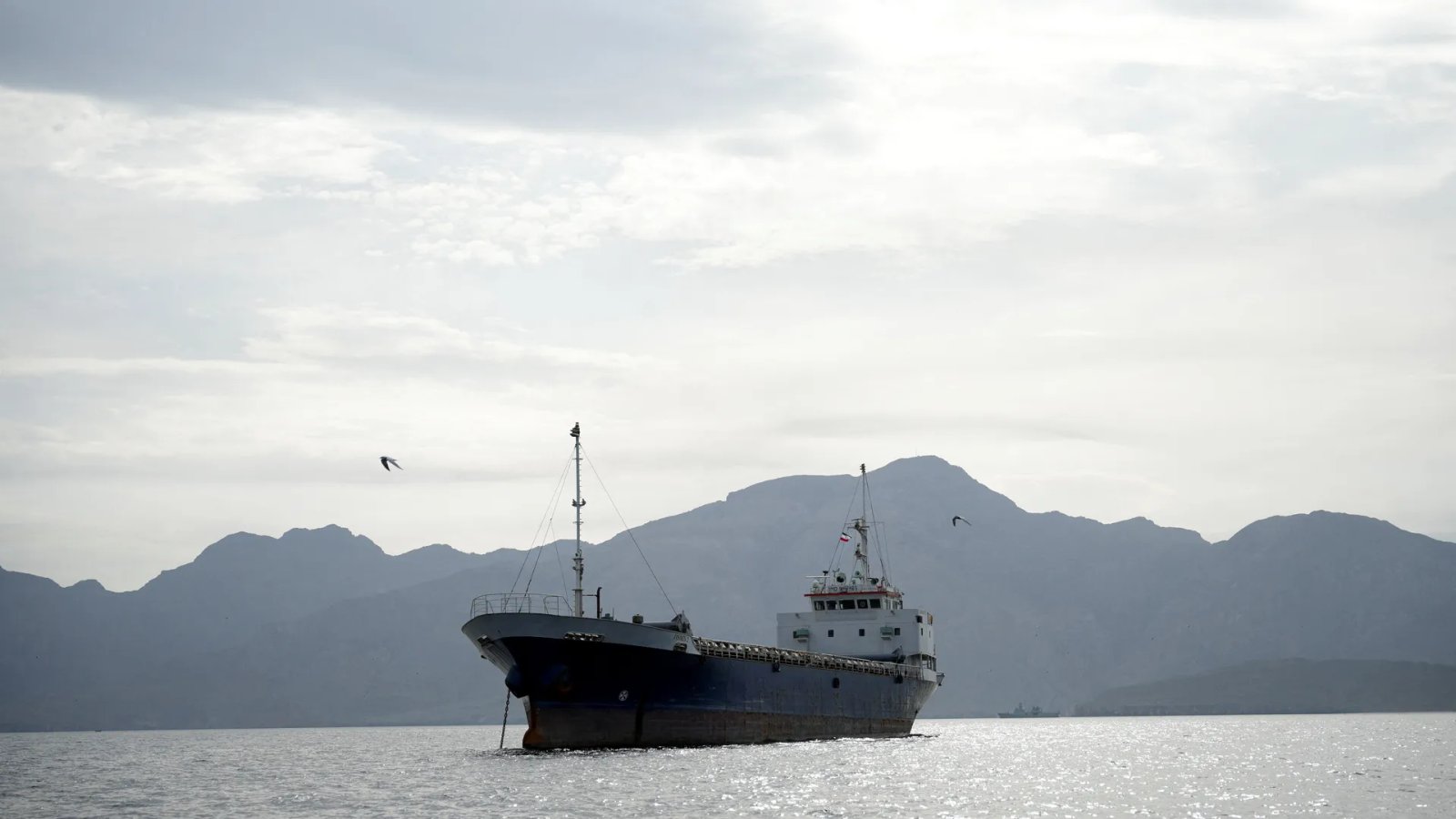
The US president announced the blockade on Sunday, targeting Iranian vessels and ships that have paid a toll to Iran for passage through the strait, in an attempt to choke off the flow of Iranian oil.
US Central Command said it would start at 10am ET (5.30pm in Iran and 3pm in the UK), effectively seizing control of maritime traffic in the strait of Hormuz.
The news drove oil and gas prices sharply higher again, after the two-week ceasefire between the US and Iran announced on Wednesday prompted a sharp fall in energy prices, and crude ended the week below the psychological $100 a barrel threshold.
Brent crude rose by nearly 7% to $101.74 a barrel on Monday morning, while US crude is up more than 8% to $104.69 a barrel.
Gas prices also increased, with the British wholesale gas contract for May soaring by 11.7% to 122.5p a therm.
Analysts at JPMorgan Chase said last week they expected oil prices to stay high in the second quarter, above $100 a barrel, before easing in the second half of the year.
Most Asian stock markets fell on Monday, with Japan’s Nikkei down 0.7% and Hong Kong’s Hang Seng index losing 1.1%, while Chinese stocks rose slightly.
With large numbers of oil tankers remaining stuck in the Gulf, the ceasefire had raised hopes that ships could get moving again. But peace talks between Washington and Tehran held in Islamabad, Pakistan, ended after 21 hours without a deal.
Priyanka Sachdeva, senior market analyst at the broker Phillip Nova, said: “In today’s environment, every barrel of risk added to oil markets carries an inflation price tag for the global economy.”
She added: “The market reaction underscores a simple but powerful reality: Hormuz risk is not theoretical; it is structural, and it is real.”
Michael Brown, senior research strategist at brokerage Pepperstone, said: “While crude has advanced, and stocks slipped a touch, the overall market reaction to the weekend news of a US Navy blockade of the strait of Hormuz has been relatively contained, as participants view the move largely as a negotiating gambit from President Trump.”
More than 32m people worldwide could be plunged into poverty by the economic fallout from the Iran war, with developing countries expected to be hit hardest, according to a report released by the United Nations Development Programme on Monday.